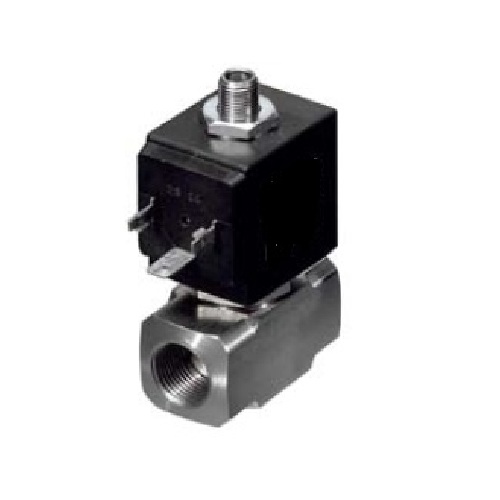
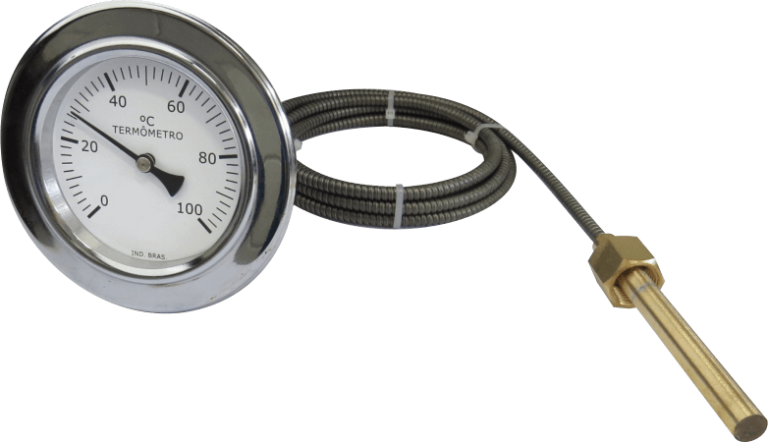
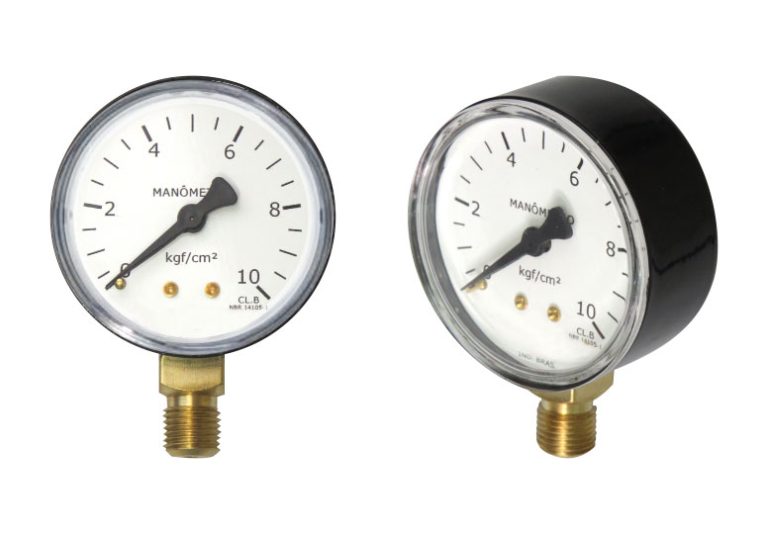
Pressure adjustment devices are essential components in pneumatic systems, allowing precise control of operating pressure. They are used in a variety of industrial applications, from automation to fluid handling, ensuring systems operate efficiently and safely. In this article, we'll explore the features, benefits, and applications of these devices, as well as how to choose the ideal model for your needs.
What is a Pressure Adjustment Device? Definition and basic functioning of pressure adjustment devices in pneumatic systems.
What is a Pressure Adjustment Device? A pressure adjusting device is an essential component in pneumatic systems, designed to regulate and maintain operating pressure at desired levels. These devices work through mechanisms that detect internal pressure and automatically adjust the compressed air output, ensuring that the pressure remains within safe and efficient limits.
Benefits of Using Pressure Adjustment Devices The implementation of pressure adjustment devices in industrial processes brings several advantages. Firstly, they improve the energy efficiency, as they avoid wasting compressed air by maintaining ideal pressure. Additionally, these devices increase the security operational, reducing the risk of equipment failures that may occur due to inadequate pressures.
Common Applications in Industries Pressure adjustment devices are widely used in sectors such as industrial automation, where they control the pressure in pneumatic cylinders, and in fluid handling, where they ensure that the transport pressure of liquids and gases is always within the correct parameters. They are also essential in paint systems where pressure needs to be adjusted to ensure a high-quality, uniform application.
How to Choose the Ideal Device When selecting a pressure adjustment device, it is important to consider some technical specifications. Check the pressure range the device can withstand, compatibility with existing systems, and ease of installation and maintenance. Furthermore, it is recommended to opt for recognized brands on the market, which offer guarantees of quality and reliability.
Benefits of Using Pressure Adjustment Devices. Advantages of implementing these devices in industrial processes, including energy efficiency and safety.
Benefits of Using Pressure Adjustment Devices
The implementation of pressure adjustment devices in industrial processes offers a series of significant advantages. Firstly, these devices are essential to guarantee the energy efficiency. By regulating pressure precisely, they avoid wasting compressed air, which is a valuable and often expensive resource. This results in a reduction in operating costs and a more sustainable operation.
Another important benefit is the security that these devices provide. In pneumatic systems, inadequate pressure can lead to catastrophic failures, equipment damage and even operator safety risks. Pressure adjustment devices help maintain pressure within safe limits, minimizing the risk of accidents.
Furthermore, the use of these devices contributes to the process stability. With controlled pressure, systems operate more consistently, resulting in better quality products and less variability in processes. This is especially crucial in industries that rely on precision, such as automation and fluid handling.
Finally, installing pressure adjustment devices can facilitate preventive maintenance. With pressure being monitored and adjusted automatically, it is possible to identify problems before they become critical, allowing for scheduled interventions and avoiding unexpected production stops.
Common Applications in Industries. Examples of how pressure adjustment devices are used in different industries such as automation and fluid handling.
Common Applications in Industries
Pressure adjusting devices are widely used in various industries due to their ability to regulate pressure effectively. One of the most benefited sectors is industrial automation. In these systems, the devices ensure that the pressure of the pneumatic cylinders is always within ideal parameters, allowing the machines to operate smoothly and efficiently. This results in faster production with fewer failures.
No fluid handling, these devices play a crucial role. They are used to control pressure in liquid and gas transport systems, ensuring that materials are moved safely and efficiently. For example, in chemical industries, pressure needs to be constantly monitored to prevent leaks and ensure operator safety.
Furthermore, pressure adjustment devices are essential in industrial painting systems. In these cases, the pressure must be adjusted to ensure a uniform and high-quality application of the paint. Inadequate pressure variation can result in poor finishes and wasted material.
Another example is in food industry, where these devices help maintain pressure in vacuum packaging systems, ensuring product preservation. Maintaining the correct pressure is vital to avoid contamination and extend the shelf life of food.
In summary, pressure adjustment devices are fundamental in several industrial applications, contributing to the efficiency, safety and quality of processes.
How to Choose the Ideal Device. Criteria to consider when selecting a pressure adjusting device, including technical specifications and compatibility.
How to Choose the Ideal Device
Choosing the appropriate pressure adjustment device is crucial to ensuring efficient performance of pneumatic systems. There are several criteria that must be considered during the selection process.
Firstly, it is important to assess the pressure range that the device can support. Each application may have specific pressure requirements, and choosing a device that meets these needs is critical. Check the product's technical specifications to ensure it operates within desired limits.
Another aspect to be considered is the compatibility with existing systems. The device must be compatible with already installed pneumatic components, such as valves and cylinders. This avoids integration problems and ensures smooth functioning of the system.
A ease of installation and maintenance are also important factors. Devices that offer a simple installation process and require less maintenance are preferable as they save time and operating costs.
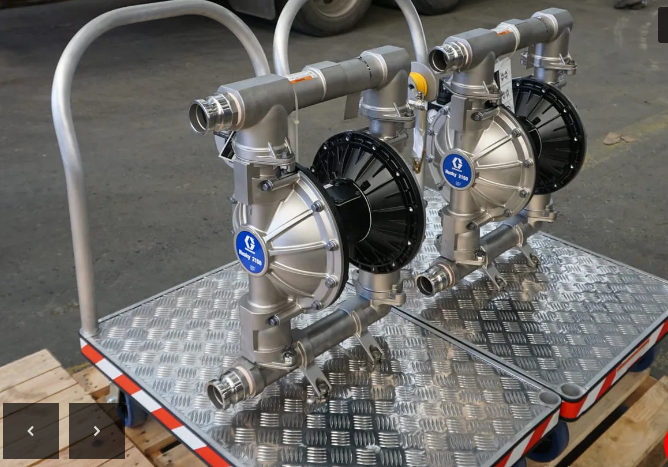
Also, consider mark and a reputation from the manufacturer. Choosing recognized brands on the market, such as Graco Inc. and Pneumax, you can guarantee the quality and reliability of the device.
Finally, it is recommended to analyze the opinions from other users and case studies. This can provide valuable insights into the device's performance in similar applications and help with decision making.