The diameter of the pneumatic tube is a crucial factor in industrial automation, directly affecting the airflow and efficiency of pneumatic systems. In this article, we'll explore the importance of proper diameter, its practical applications, and how to choose the right pipe for your needs.
1. What is the diameter of the pneumatic tube?
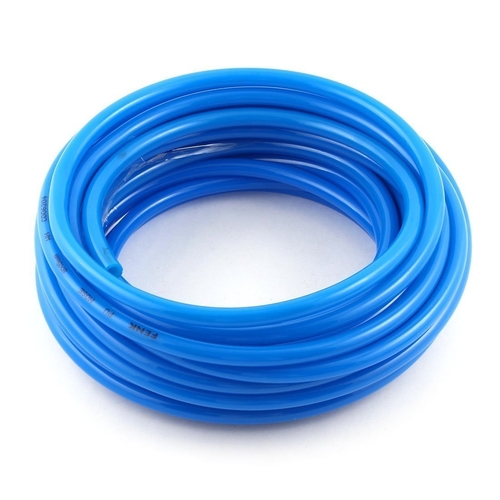
O pneumatic tube diameter refers to the measurement of the internal width of the tube used in pneumatic systems. This measure is fundamental, as it directly influences the flow of compressed air within the system. Pipes with different diameters can affect air pressure and speed, impacting the efficiency of the system as a whole.
Pneumatic tubes are manufactured in different diameters, which vary according to the specific application. For example, smaller tubes are often used in systems that require high precision and control, while larger tubes are used in applications that demand greater air flow. Choosing the appropriate diameter is therefore crucial to ensure optimal system performance.
Additionally, the pipe diameter must be compatible with system components such as valves and actuators. A tube that is too narrow can cause flow restrictions, resulting in loss of efficiency and increased energy consumption. On the other hand, a pipe that is too wide can lead to an unnecessary increase in costs and occupied space.
Therefore, understanding what pneumatic tube diameter is and how it relates to system performance is essential for any professional working with pneumatic automation.
2. How does diameter affect system performance?
O pneumatic tube diameter has a significant impact on the performance of the pneumatic system. When the pipe diameter is adequate, the compressed air flow is optimized, allowing the system to operate efficiently. A tube that is too small in diameter can cause flow restrictions, resulting in pressure loss and increased actuator response time. This can lead to poor performance and increased power consumption.
On the other hand, a pipe with an excessive diameter can cause pressure losses due to the greater surface area and the increased volume of air that needs to be moved. This can result in a system that does not reach the desired pressure, affecting the effectiveness of operations. Therefore, choosing the correct diameter is essential to ensure that the system functions within the desired parameters.
Furthermore, the diameter of the tube also influences the air speed within the system. Wider tubes allow air to move more quickly, which can be beneficial in applications that require quick responses. However, it is important to balance air speed with pressure to avoid control and efficiency problems.
In summary, the diameter of the pneumatic tube is a critical factor that directly affects the performance of the system, influencing the efficiency, speed and pressure of the compressed air. Careful analysis of this parameter is fundamental to the success of any pneumatic project.
3. Practical applications of pneumatic tube diameter
O pneumatic tube diameter It is a crucial factor in several industrial applications. In automation systems, for example, the appropriate diameter allows compressed air to flow efficiently, ensuring that actuators and valves function correctly. In assembly lines, tubes with specific diameters are used to optimize air transport for pneumatic tools, increasing productivity.
A common practical application is in packaging machines, where the diameter of the tube must be chosen to ensure that the compressed air reaches the pressure necessary to operate the cylinders that move the parts of the machine. Tubes that are too narrow can cause malfunctions, while tubes that are too wide can result in wasted air and increased operating costs.
Furthermore, in systems material transportation, such as in plastics or food factories, pipe diameter is critical to ensuring that compressed air moves materials effectively. An inadequate diameter can lead to obstructions and failures in the system, causing production stops.
Another important application is in process control systems, where the diameter of the tube influences the speed and accuracy of the control. In processes that require quick responses, such as valve automation systems, choosing the right diameter is essential to ensure that the system responds quickly and efficiently.
4. How to choose the right diameter for your project
Choose the suitable pneumatic tube diameter is a crucial step in any automation project. To make this choice, it is necessary to consider several factors that influence system performance. Firstly, it is important to assess the air flow required for the specific application. Tubes with larger diameters allow for greater airflow, while smaller tubes can restrict this flow, affecting system efficiency.
Another aspect to be considered is the operating pressure. Systems that operate at high pressures may require pipes with specific diameters to avoid pressure losses and ensure that compressed air reaches the actuators effectively. It is essential to consult the manufacturer's specifications to determine the ideal diameter in relation to the operating pressure.
In addition, the tube length also plays an important role. Longer pipes can cause significant pressure losses, especially if the diameter is not suitable. Therefore, when planning the system layout, the distance between the source of compressed air and the components that use this air must be taken into account.
Finally, it is essential to consider the application type. In systems that require high precision and control, such as packaging machines or robotics, diameter choice must be made carefully to ensure the system responds quickly to operational demands. In summary, the choice of pneumatic tube diameter must be based on a careful analysis of flow, pressure, length and type of application to ensure the efficiency and effectiveness of the system.