The energy performance of pneumatic systems is a crucial factor for the operational efficiency and sustainability of industries. In this article, we will cover the best practices and technologies that can be implemented to optimize energy consumption. Ensuring not only the effectiveness of processes, but also the reduction of costs and environmental impacts.
1. Importance of Energy Performance in Pneumatic Systems
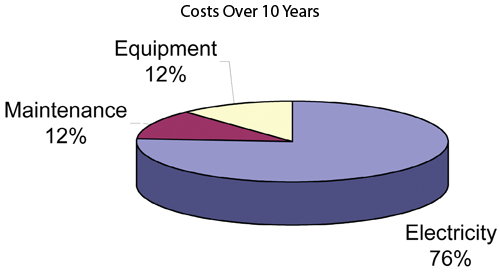
O energy performance in pneumatic systems is fundamental to the operational efficiency of industries. Systems that use compressed air are known for their high energy consumption. Therefore, optimizing this performance is crucial to reduce costs and increase competitiveness.
One of the main reasons to be concerned about energy performance is the reduction of operating costs. By improving efficiency, businesses can save significantly on energy bills. This translates into a positive impact on financial result of the organization.
Furthermore, energy efficiency contributes to environmental sustainability. With growing concern about climate change, industries are being pressured to adopt greener practices. Efficient pneumatic systems consume less energy, resulting in fewer polluting gas emissions.
Another important point is the systems reliability. Systems that operate efficiently tend to have fewer failures and interruptions. This means less downtime and greater productivity. Preventive maintenance and the choice of high-quality components are essential to ensure this reliability.
Finally, the technological innovation is directly linked to energy performance. New technologies, such as more efficient valves and actuators, can significantly improve the efficiency of pneumatic systems. Investing in technology is, therefore, an important step for any company that wants to remain competitive in the current market.
2. Technologies to Increase Energy Efficiency
As technologies to increase energy efficiency in pneumatic systems are essential to optimize energy consumption and reduce costs.
One of the most significant innovations is the use of variable speed compressors. These compressors adjust their operation according to demand, avoiding wasting energy in times of low need.
Another important technology is heat recovery. Systems that capture heat generated during air compression can reuse it to heat water or environments, increasing the overall efficiency of the system. This practice not only saves energy, but also contributes to sustainability.
In addition, the use of sensors and monitoring systems allows more precise control of energy consumption. These devices can identify leaks and inefficiencies, enabling immediate corrective action. The implementation of a system of automation It can also optimize equipment operation by automatically adjusting operations based on real-time data.
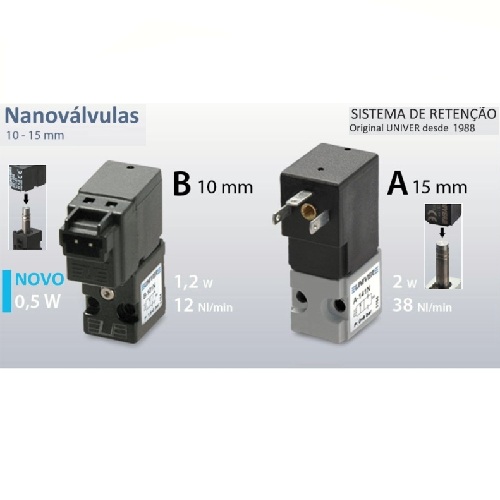
As control valves Modern technology, which offers greater precision and less resistance to flow, is another technology that can improve efficiency. They allow more effective control of compressed air, reducing waste and improving system performance.
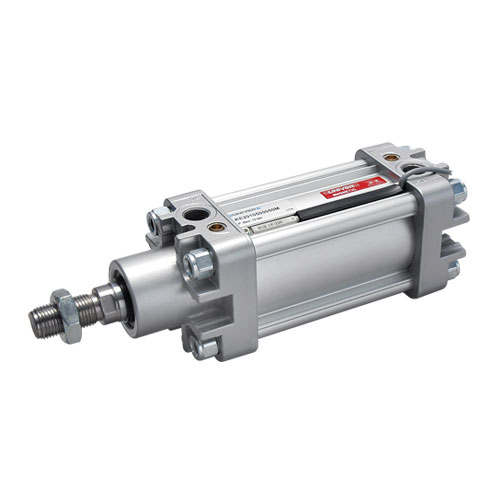
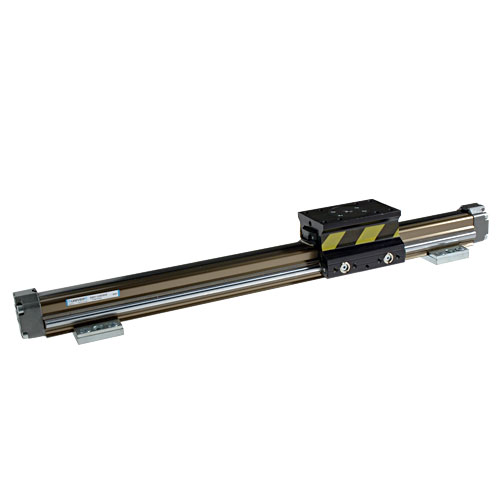
Finally, the choice of pneumatic actuators High efficiency can make a big difference. These actuators are designed to operate with lower compressed air consumption, resulting in significant energy savings over time.
3. Best Practices in Maintenance of Pneumatic Systems
As best practices in the maintenance of pneumatic systems They are essential to guarantee the efficiency and longevity of equipment. One of the most important practices is the preventive maintenance. This involves carrying out regular inspections and replacing worn components before they cause failure. Preventative maintenance helps avoid unexpected downtime and high repair costs.
Another recommended practice is pressure and leak monitoring. Compressed air leaks can result in significant energy waste. Use Pressure Sensors and performing frequent visual inspections can help identify and fix leaks quickly.
In addition, the Filter cleaning and regular lubricant changes are crucial for the systems to function properly. Dirty filters can restrict airflow and increase energy consumption. A suitable lubricant ensures that moving parts operate smoothly, reducing wear.
A Team training is also an important practice. Training operators and maintenance staff on the operation of pneumatic systems and best operating practices can result in more efficient and safer operation.
Finally, it is recommended to maintain a detailed record of the maintenance carried out. This allows you to monitor the equipment's history and identify patterns that may indicate the need for more frequent interventions or improvements to the system.
4. Case Studies: Energy Optimization Results
Os case studies on energy optimization in pneumatic systems demonstrate how the application of appropriate technologies and practices can result in significant improvements.
One example is the implementation of a heat recovery in a packaging factory. After installation, the company was able to reuse up to 30% of the heat generated by the compressors, reducing energy consumption and operating costs.
Another interesting case study involves an automotive industry that adopted variable speed compressors. With this technology, the company adjusted the production of compressed air according to demand, resulting in savings of 25% on the electricity bill. This change not only improved efficiency but also increased system reliability.
Furthermore, a food sector company implemented a predictive maintenance using sensors to monitor equipment performance. With this approach, the company was able to identify failures before they occurred, reducing downtime by 40% and improving the overall efficiency of the pneumatic system.
Finally, a study carried out in a papermaking plant showed that replacing conventional valves with high efficiency control valves resulted in a 15% reduction in compressed air consumption. This change not only saved energy but also improved accuracy in process control.