Air decompression is a fundamental process in pneumatic systems, where air pressure is reduced to allow equipment and tools to function properly. In this article, we will explore what air decompression is, how it occurs and its various applications in industry.
1. What is air decompression?
A air decompression is a process that involves reducing air pressure in a pneumatic system. This process is essential for the proper functioning of various tools and equipment that use compressed air.
When air is compressed, it is stored in a reservoir under high pressure. Decompression occurs when this air is released, allowing it to expand and act on a system.
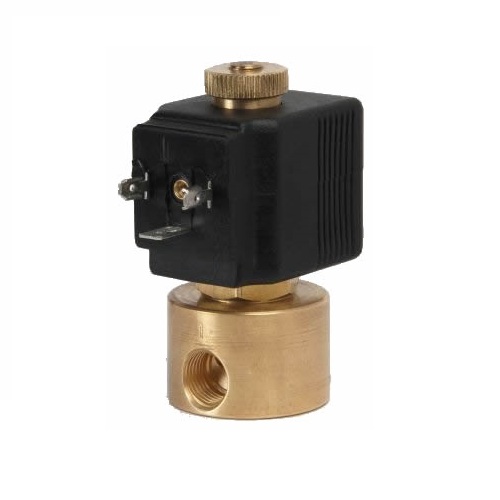
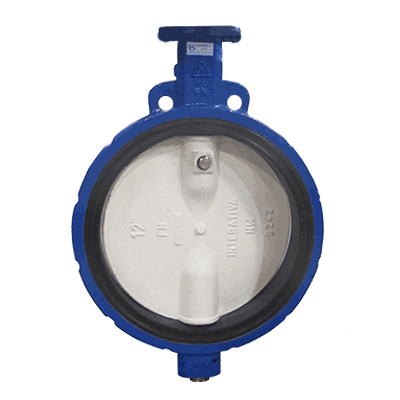
During decompression, air passes through a control valve which regulates the amount of air released. This valve is crucial, as it ensures that the pressure is reduced in a controlled manner, avoiding pressure peaks that could damage the equipment.
Decompression is a process that must be carried out with care, as releasing air too quickly can cause excessive noise and even damage to the system.
Furthermore, air decompression is used in a variety of applications, from pneumatic tools to industrial automation systems. Understanding this process is essential to ensure the efficiency and safety of systems that depend on compressed air.
2. How does air decompression work?
A air decompression occurs when compressed air is released from a system, allowing it to expand and reduce its pressure. This process is essential for the operation of pneumatic tools and equipment.
When air is stored in a reservoir, it is under high pressure. For this air to be used, it must pass through a decompression valve.
When the valve is activated, compressed air flows out of the reservoir. During this flow, the air pressure gradually decreases. This pressure reduction is controlled to prevent the air from being released abruptly, which could cause damage to the system and generate excessive noise.
The operation of decompression is influenced by several factors, such as the temperature of air and the size of the valve orifice. As air expands, it can also cool, which is an important aspect to consider in industrial applications. Decompression must be carried out in a controlled manner to guarantee the efficiency and safety of the pneumatic system.
3. Applications of air decompression in industry
A air decompression It has several applications in industry, being essential for the operation of pneumatic equipment and automated systems. One of the main uses is in pneumatic tools, such as impact wrenches and drills, which rely on air pressure to operate efficiently. Controlled decompression allows these tools to work accurately and safely.
Another important example is in industrial automation, where air decompression is used to drive pneumatic cylinders. These cylinders are responsible for moving parts on assembly lines, ensuring that processes are carried out quickly and efficiently. Adequate air decompression is crucial to avoid system failures and ensure production continuity.
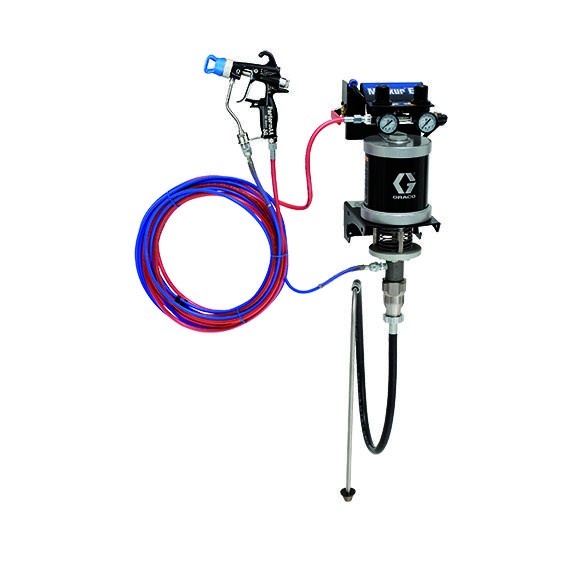
Furthermore, air decompression is applied in air conditioning systems. industrial, where air pressure is adjusted to ensure even paint application. The quality of the painting can be affected by air pressure, making decompression a critical factor in this process.
Finally, air decompression is also used in air conditioning systems. material transportation, such as in pneumatic conveying systems, where compressed air is used to move grains, powders and other materials in pipes. The efficiency of this transport depends on controlled decompression, which ensures that the material is transported without damage.
4. Importance of air decompression for automation
A air decompression is a crucial element for the industrial automation, as it ensures that pneumatic systems work efficiently and safely. In an automated environment, precision and reliability are essential, and controlled air decompression plays a vital role in this context.
One of the main benefits of air decompression in automation is the pressure regulation. Pneumatic systems use compressed air to drive actuators and cylinders, which are responsible for moving parts and performing specific tasks. Proper decompression allows these components to operate within their specifications, preventing failures and extending the life of the equipment.
Furthermore, air decompression contributes to energy efficiency of automated systems. When air is released in a controlled manner, energy consumption is optimized, resulting in lower operating costs. This is especially important in industries that rely on large volumes of compressed air, where efficiency can significantly impact the bottom line.
Decompression is also essential for security operators and the work environment. A system that releases air abruptly can cause risks, such as explosions or damage to equipment. Therefore, implementing adequate decompression valves and controls is essential to ensure a safe and efficient work environment.
Finally, air decompression is a determining factor for the flexibility of automated systems. With the ability to adjust air pressure, industries can adapt their operations to different needs and demands, increasing productivity and responsiveness to market changes.