Pneumatic components play a crucial role in industrial automation, offering efficient solutions for fluid handling and movement control. In this article, we will explore the main types of pneumatic components, their functions, and how they can benefit your operation.
1. What are Pneumatic Components?
Os pneumatic components are devices that use compressed air to perform mechanical work. They are fundamental in automation systems, as they allow the control of movements and processes efficiently.
These components operate with air pressure, which is converted into mechanical energy, enabling the movement of machines and equipment.
The main pneumatic components include actuators, which transform air energy into linear or rotary movement, and Valves, which control the flow of air in a system.
In addition, there are pneumatic pumps, which are responsible for generating and maintaining the compressed air pressure necessary for the operation of the actuators and valves.
These devices are widely used in various industries, such as automotive, food and pharmaceutical, due to their ability to operate in environments with high production demands and the need for precision.
The use of pneumatic components provides cleaner and safer operation, as it does not require the use of hydraulic fluids, which can be polluting.
2. Types of Pneumatic Components
There are several types of pneumatic components, each with specific functions that contribute to the efficiency of pneumatic systems. Among the main types, the following stand out:
- Pneumatic Actuators: These devices convert the energy of compressed air into motion. They can be linear, like cylinders, or rotary, like pneumatic motors. Actuators are essential for moving parts in machines and equipment.
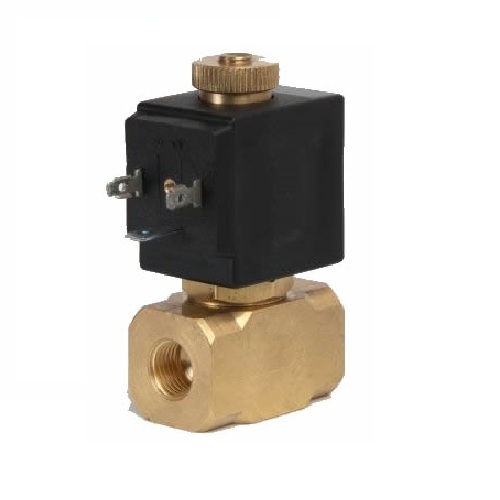
- Pneumatic Valves: Valves control air flow in a pneumatic system. There are various types such as pressure control valves, steering valves and safety valves. They ensure that the compressed air is correctly directed to the actuators.
- Pneumatic Pumps: Responsible for generating and maintaining compressed air pressure, pumps are essential for the functioning of pneumatic systems. They can be of different types, such as diaphragm pumps and piston pumps.
- Filters and Regulators: These components are used to guarantee the quality of compressed air. Filters remove impurities and moisture, while regulators adjust air pressure, ensuring other components operate efficiently.
In addition to these, there are other components, such as accumulators and silencers, which also play important roles in pneumatic systems. Choosing the appropriate components is crucial to the performance and reliability of a pneumatic system.
3. Applications of Pneumatic Components in Industry
Os pneumatic components They have a wide range of applications in industry, being essential for the automation and efficiency of production processes. Below are some of the main applications:
- Automotive Industry: In vehicle assembly, pneumatic actuators are used to move heavy parts with precision. Valves control airflow in paint systems, ensuring uniform and efficient coverage.
- Food industry: Pneumatic components are used in food packaging and transport lines. They help move products quickly and safely, maintaining hygiene and food quality.
- Pharmaceutical industry: In pharmaceutical production, pneumatic automation is crucial to ensure precision and safety. Pneumatic systems control the dosing and filling of products, minimizing contamination risks.
- Plastics Industry: Pneumatic components are used in molding and extrusion machines. They allow precise control of pressure and movement, resulting in high-quality plastic products.
- Metallurgical Industry: In the manufacture of metal parts, pneumatic systems are used for cutting, bending and welding operations. Pneumatic automation increases efficiency and reduces production time.
These applications demonstrate how versatile and essential pneumatic components are in various industrial sectors. Their ability to operate in demanding environments and provide high efficiency makes them a preferred choice for many companies.
4. Advantages of Pneumatic Automation
A pneumatic automation offers several advantages that make it a popular choice in industrial environments. Among the main benefits, the following stand out:
- Energy efficiency: Pneumatic systems use compressed air, which is a clean and efficient source of energy. This reduces energy consumption compared to hydraulic systems, resulting in operating cost savings.
- High Operating Speed: Pneumatic components can operate quickly, allowing for shorter production cycles. This is especially important on assembly lines, where speed is crucial to meeting demand.
- Low Maintenance: Pneumatic systems generally require less maintenance than hydraulic systems. Compressed air does not contaminate components, which reduces wear and extends the useful life of the equipment.
- Flexibility: Pneumatic automation can be easily adapted to different processes and products. This allows companies to quickly adjust their operations to meet new market demands.
- Security: The use of compressed air eliminates the risk of hydraulic fluid leaks, which can be dangerous and polluting. Additionally, pneumatic systems can be designed with safety devices to protect operators.
These advantages make pneumatic automation an attractive solution for many industries, contributing to efficiency and market competitiveness.