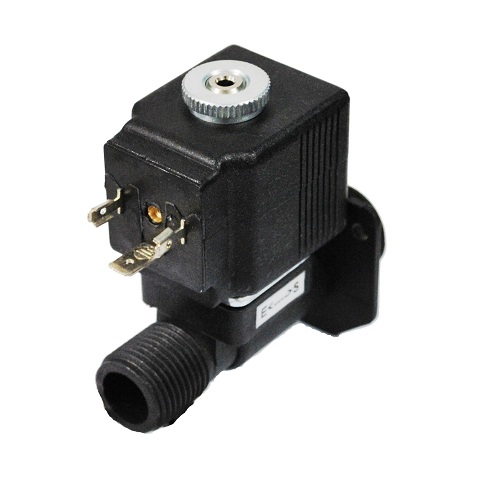
The valve block is an essential component in pneumatic automation systems, allowing effective control of air flow and the operation of actuators. In this article, we will explore its features, applications and benefits, highlighting the importance of this device in modern industry.
1. What is a Valve Block?
One valve block is a pneumatic device that integrates several valves into a single module. It is designed to control the flow of compressed air in automation systems. The block allows the simultaneous operation of multiple actuators, optimizing space and simplifying installation.
The main components of a valve block include control valves, which regulate the passage of air, and pneumatic connections, which allow connection with other devices. Additionally, many valve blocks have position indicators, which provide visual information about the status of the valves.
Valve blocks can be found in different configurations, such as 2/2 way valves or 5/2 vias, depending on the application. Choosing the appropriate type is crucial to guarantee the efficiency of the pneumatic system.
2. Advantages of Using the Valve Block
The use of a valve block brings several advantages to pneumatic systems. One of the main ones is the space efficiency. With several valves integrated into a single module, it is possible to save installation space, reducing system complexity.
Another advantage is the ease of maintenance. With a valve block, maintenance becomes simpler, as the valves can be accessed centrally. This reduces downtime and costs associated with maintenance.
Furthermore, the valve blocks offer precise control on airflow. This is essential for applications that require fast and precise movements, such as automated machines. The ability to control multiple actuators simultaneously also increases productivity.
Finally, the leak reduction is a significant advantage. With a more compact and well-designed system, the likelihood of compressed air leaks decreases, resulting in greater energy efficiency and lower operating costs.
3. Applications of the Valve Block in Industry
Os valve blocks They are widely used in various industries due to their versatility and efficiency. One of the main applications is in industrial automation, where they control the air flow to operate machines and equipment. This includes assembly, packaging and transportation systems.
In the industry automotive, valve blocks are essential for the operation of pneumatic systems in production lines. They ensure that actuators work in a coordinated manner, increasing productivity and precision in vehicle assembly.
Another important application is in food industry, where valve blocks are used in product packaging and handling processes. Hygiene and safety are priorities, and valve blocks help maintain the integrity of the pneumatic system, preventing contamination.
Furthermore, valve blocks are used in fluid control systems in chemical and petrochemical industries. They regulate the flow of gases and liquids, ensuring that processes occur safely and efficiently.
Finally, in construction industry, valve blocks are applied to heavy equipment such as excavators and cranes, where precise control of movement is crucial to the safety and effectiveness of operations.
4. How to Choose the Ideal Valve Block
Choose the valve block ideal is essential to guarantee the efficiency of the pneumatic system. The first step is to consider the application type. It is important to know whether the block will be used in an automation system, fluid control or in specific machines. Each application may require different characteristics.
Another factor to consider is the valve configuration. There are valve blocks with different configurations, such as 2/2 vias e 5/2 vias. Choosing the correct configuration depends on the number of actuators that need to be controlled and the type of operation desired.
A flow capacity is also an important criterion. It is necessary to check the maximum flow that the block can support, ensuring that it meets the system's demands. An undersized block can lead to operational failures.
In addition, the compatibility with other components of the system is essential. Check that the valve block is compatible with the actuators and other pneumatic devices you are using. This avoids installation and operation problems.
Finally, consider maintenance and technical support. Choosing a manufacturer that offers technical assistance and replacement parts facilitates maintenance and extends the useful life of the equipment. The quality of the product and the manufacturer's reputation are factors that should not be ignored.