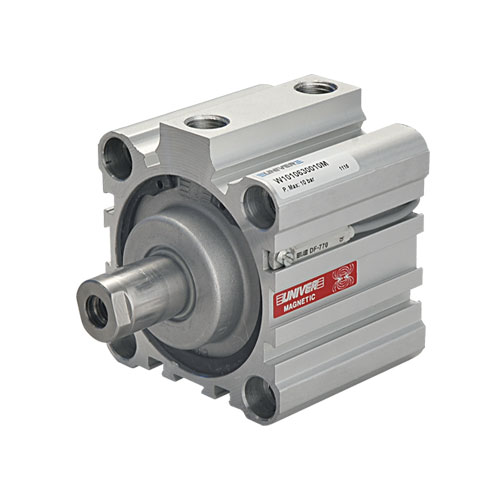
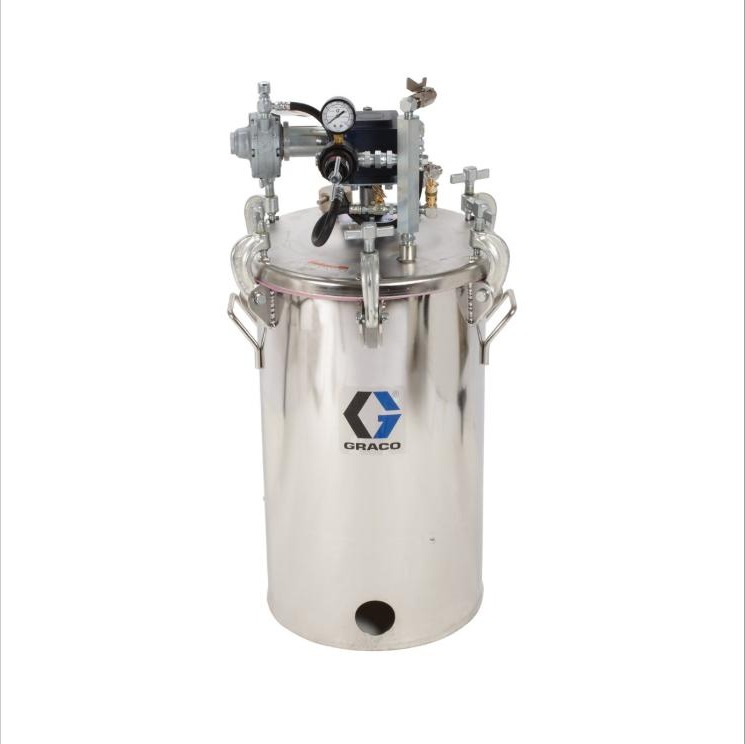
The control block is an essential component in pneumatic automation systems, allowing efficient management of air flows and the operation of actuators. In this article, we will address its features, applications and benefits, highlighting its importance in modern industry.
1. What is a Control Block?
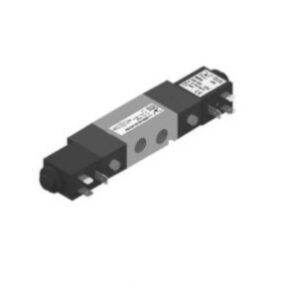
O control block It is a fundamental device in pneumatic automation systems. It is responsible for managing and directing the flow of compressed air to different actuators and valves, ensuring that industrial processes occur efficiently and precisely.
This component is made up of several inputs and outputs, allowing the connection of multiple devices into a single system. Through sensors e actuators, the control block can receive information about the system condition and adjust airflow as needed.
Additionally, control blocks can be programmable, meaning they can be configured to perform a variety of functions, from simple switches on and off to complex sequences of operations. This flexibility is crucial to meet the specific needs of each industrial application.
In short, the control block is a key part in automation, providing not only control, but also efficiency and safety in industrial processes.
2. Control Block Applications in Industry
O control block It has several applications in industry, being essential for process automation. One of the main applications is in controlling Machines and Equipment, where it manages airflow to actuators such as pneumatic cylinders. This allows machines to perform precise and coordinated movements.
Another important application is in assembly line. The control block can be used to synchronize different steps in the process, ensuring that each component is assembled in the correct order. This increases efficiency and reduces the risk of errors.
Furthermore, control blocks are widely used in control systems. industrial. They regulate the pressure and airflow in the spray guns, ensuring a uniform, high-quality application. This is crucial to maintaining the finishing standards required in the industry.
Control blocks are also applied in control systems. pneumatic conveying, where they are responsible for moving materials from one point to another within the factory. This application is common in industries that deal with grains, plastics and other bulk materials.
Finally, the use of control blocks in security systems It is a growing practice. They can be programmed to automatically shut down machines in the event of failures or dangerous conditions, increasing the safety of operators and the work environment.
3. Advantages of Using the Control Block
The use of control block brings several advantages to industrial automation systems. One of the main advantages is the operational efficiency. With the control block, it is possible to optimize the air flow and the operation of the actuators, resulting in faster processes with lower energy consumption.
Another significant advantage is the flexibility. Control blocks can be programmed to meet different needs, allowing quick adjustments to operations without the need for major system modifications. This is especially useful in production environments that require frequent adaptations.
A precision is also a strong point. The control block ensures that the actuators operate with high precision, which is crucial in applications that require exact movements, such as assembling electronic components or painting surfaces.
In addition, the security is an important advantage. Control blocks can be integrated into safety systems, allowing machines to be automatically turned off in emergency situations, protecting operators and equipment.
Finally, the cost reduction it is a direct consequence of the efficiency and precision provided by the control block. With faster processes and less material waste, companies can save significantly on their operations.
4. How to Choose the Ideal Control Block
Choose the control block ideal is a task that requires attention to several factors. Firstly, it is important to consider the flow capacity of the block. This refers to the amount of air the block can handle. It is essential that this capacity meets the needs of your system to ensure efficient performance.
Another aspect to be evaluated is the compatibility with other system components. The control block must be compatible with the valves and actuators you already have. This avoids integration problems and ensures that all components work in harmony.
A ease of programming is also an important criterion. Some control blocks offer more intuitive interfaces, making configuration and programming easier. This can save time and reduce the need for training for staff who will operate the system.
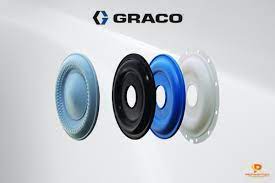
Also, consider manufacturer's reputation. Choose recognized brands on the market, such as Graco Inc. e Pneumax, can guarantee greater reliability and technical support. Products from renowned manufacturers usually have better guarantees and assistance.
Finally, don't forget to rate the cost-effective. The price of the control block must be justified by the quality and features offered. Sometimes investing a little more in a quality product can result in long-term savings due to its durability and efficiency.