Increased pressure is a crucial phenomenon in various industrial and technical applications. Understanding how it occurs and its implications is critical to optimizing processes and ensuring systems efficiency. In this article, we will address the main aspects of pressure increase, its causes and how it can be controlled in different contexts.
What is pressure increase? - Definition and basic concepts on increased pressure on pneumatic and hydraulic systems.
The increased pressure refers to the increment of the force exerted by a fluid into a closed system. In pneumatic systems, this occurs when compressed air is stored in a reservoir, increasing internal pressure. In hydraulic systems, increased pressure is generated by liquid compression, which are virtually incompressible. This phenomenon is fundamental for the functioning of various machines and equipment, as it allows mechanical work to perform. Increased pressure is measured in units such as Pascal (PA) or bar, and is crucial to ensure systems efficiency and safety.
Causes of pressure increase - exploration of the main causes that lead to increased pressure in industrial systems.
Causes of pressure increase
Increased pressure in industrial systems can be caused by several factors. One of the main is the gases. When a gas is compressed in a small space, its molecules approach, resulting in an increase in internal pressure. This is common in pneumatic systems where compressed air is used to trigger tools and equipment.
Another significant cause is the temperature variation. When the temperature of a fluid increases, its kinetic energy also increases, leading to an increase in pressure. This is especially relevant in hydraulic systems where liquids are used.
Furthermore, Pipe obstructions may cause pressure accumulation. If there is a block, the fluid cannot flow freely, resulting in an increase in pressure before the obstruction point.
Finally, leaks In systems they can also lead to pressure fluctuations as fluid loss can cause temporary pressure increase in other areas of the system. It is crucial to monitor these causes to ensure the safety and efficiency of industrial processes.
Effects of pressure increase - analysis of the effects of pressure increased equipment and processes, including risks and benefits.
Effects of pressure increase
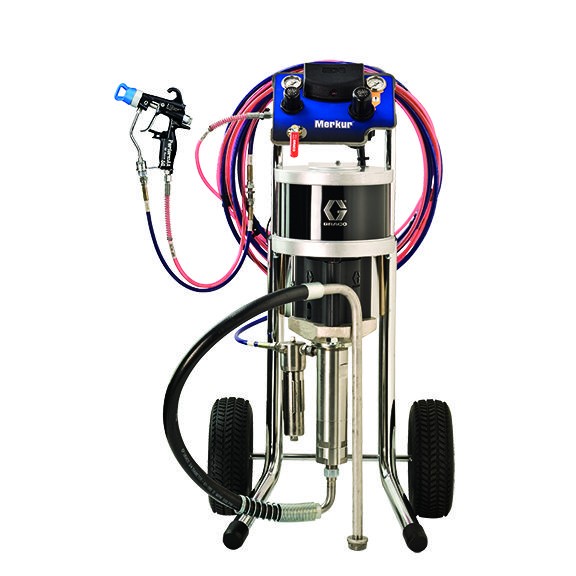
Increased pressure on pneumatic and hydraulic systems can have various effects, both positive and negative. Among benefits, stands out operational efficiency. When the pressure is kept at ideal levels, the equipment works more effectively, resulting in optimized performance. For example, in painting systems, the proper pressure ensures a uniform and high quality application.
In addition, increased pressure can allow the Efficient fluid transportation in pipes, reducing operating time.
However, there are also risks associated with increased pressure. One of the main is the possibility of pipe breaks or failures in components such as valves and cylinders. These flaws can result in unplanned stops and high maintenance costs.
Another risk is the accident exposure, which may occur if the pressure exceeds the safe limits. Therefore, it is essential to monitor and control pressure on industrial systems to maximize benefits and minimize the risks associated with pressure increasing.
Control and applications of pressure increase - pressure increase methods and practical applications in industries.
Control and applications of pressure increase
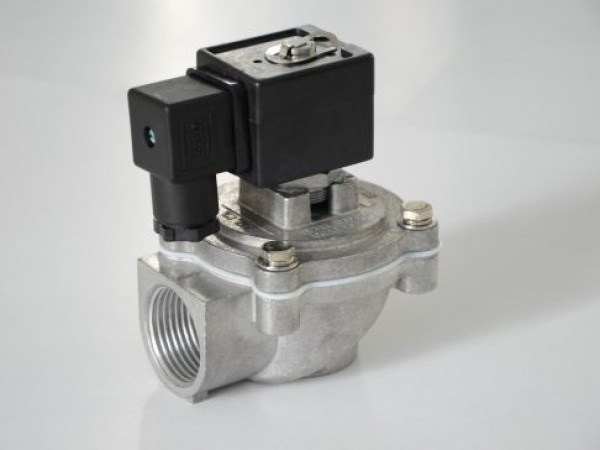
Control of pressure increase is essential to ensure safety and efficiency in pneumatic and hydraulic systems. One of the most common control methods is the use of Pressure regulatory valves. These valves automatically adjust the fluid pressure, keeping it within safe limits.
Furthermore, gauge They are used to monitor the pressure in real time, allowing operators to quickly identify any unwanted fluctuations. Another effective method is the implementation of Pressure Relief Systems, which act to release excessive pressure, avoiding equipment damage.
Applications of pressure increase are broad and include sectors such as industrial automation, where the pressure is used to trigger cylinders and actuators, and fluid transportwhere pressure is critical to moving fluids in pipes.
In systems of climatization, pressure control is crucial for the efficient functioning of compressors and cooling systems. Therefore, proper control of pressure increases not only improves operational efficiency, but also ensures the safety of industrial processes.