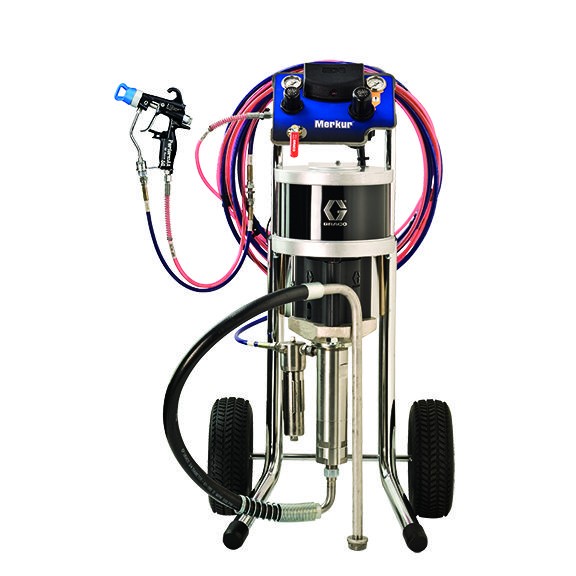
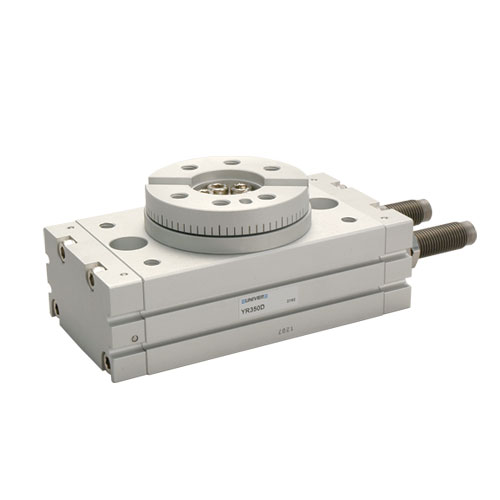
Compressed air is a versatile energy source and widely used in various industrial applications. From process automation to pneumatic tool handling, compressed air plays a crucial role in operations efficiency and productivity. In this article, we will explore the main applications and benefits of compressed air in industries.
What is compressed air? Definition and principles of compressed air, including its production and storage.
O compressed ar It is a form of energy that uses atmospheric air, compressed at a pressure higher than atmospheric pressure. This compression process is performed through air compressors, which reduce air volume, increasing their pressure. Compressed air is stored in reservoir and can be used in various industrial applications.
Compressed air production involves capturing ambient air, which is filtered to remove impurities and moisture. Then the air is compressed and cold, which helps eliminate residual moisture. Storage is done in tanks, which should be designed to support internal pressure and ensure system safety.
Compressed air is widely used in various industrial applications, including:
- Pneumatic tools: Used for assembly and disassembly of parts such as impact keys and drills.
- Automation: Pneumatic control systems that operate cylinders and valves, allowing process automation.
- Material transportation: Compressed air can be used to move grains, powders and other materials in pneumatic transport systems.
These applications demonstrate compressed air versatility, making it a popular choice in factories and industries.
The use of compressed air offers several advantages, such as:
- Energy efficiency: Compressed air systems can be optimized to reduce energy consumption, resulting in significant economy.
- Cost reduction: Compressed air is a relatively cheap energy source and can replace other energy sources in many applications.
- Increased productivity: Compressed air automation can increase the speed and accuracy of operations, improving overall productivity.
These benefits make compressed air a strategic choice for many industries.
Proper maintenance of compressed air systems is crucial to ensuring their efficiency and longevity. Some tips include:
- Regular inspections: Perform periodic inspections to identify leaks and wear on components.
- Filter exchange: Keep filters clean and replace them as needed to ensure the quality of compressed air.
- Moisture Verification: Monitor and control moisture in the system to prevent corrosion and equipment damage.
Following these practices will help maximize the efficiency and life of compressed air systems.
Compressed air applications in the industry. Exploration of the various compressed air applications, such as pneumatic tools, automation and material transportation.
O compressed ar It is an extremely versatile energy source used in various industrial applications. Among the main uses, stand out:
- Pneumatic tools: Compressed air is widely used to operate pneumatic tools such as impact keys, drills and sander. These tools offer high power and efficiency, allowing tasks to quickly and accurately.
- Automation: In automation systems, compressed air is used to trigger cylinders and valves, allowing the control of movements and processes in production lines. This results in a more efficient operation and less need for manual intervention.
- Material transportation: Compressed air can be used in pneumatic transport systems, which move grains, powders and other materials quickly and efficiently. This technique is especially useful in food and chemical industries, where bulk material manipulation is common.
- Cleaning: Compressed air is often used to clean equipment and surfaces, removing dirt and debris effectively without the need for chemicals.
- Cooling: In some applications, compressed air is used to cool components and equipment, helping to maintain adequate temperatures during operation.
These applications demonstrate the importance of compressed air in modern industry, contributing to efficiency and productivity in various sectors.
Advantages of compressed air use. Analysis of compressed air benefits, including energy efficiency, cost reduction and increased productivity.
Or use of compressed ar It brings several significant advantages to industries, becoming a strategic choice in many processes.
Among the main benefits, stand out:
- Energy efficiency: Well -designed compressed air systems can operate in a highly efficient way, reducing energy consumption. System optimization, such as using high efficiency compressors and heat recovery, can result in substantial economies in the electricity bill.
- Cost reduction: Compressed air is a relatively cheap energy source compared to other options, such as electricity or fossil fuels. In addition, proper maintenance of compressed air systems can avoid high costs with equipment repair and replacements.
- Increased productivity: Compressed air automation allows for faster and more accurate operation, reducing inactivity time and increasing production. Pneumatic tools and automated systems can perform repetitive tasks more efficiently than manual work.
- Versatility: Compressed air can be used in a wide range of applications, from tool operation to material transportation. This versatility allows industries to integrate compressed air into various processes, optimizing their operations.
- Lower environmental impact: The use of compressed air can contribute to sustainability as it does not issue pollutants during its operation. In addition, energy efficiency reduces the carbon footprint of industries that use this energy source.
These advantages make compressed air an attractive solution for companies that seek to improve their operational efficiency and reduce costs.
Maintenance and care of compressed air systems. Tips and best practices for the maintenance of compressed air systems, ensuring efficiency and longevity.
A maintenance Proper compressed air systems is essential to ensure their efficiency and prolong the life of equipment. Here are some tips and best practices:
- Regular inspections: Performing periodic inspections of compressors, pipes and reservoirs is critical. Make sure there are leaks, corrosion or visible damage that can compromise system operation.
- Filter cleaning: Air filters must be cleaned or regularly changed to ensure that compressed air is free of impurities. This helps protect tools and equipment that use compressed air.
- Moisture monitoring: The moisture in the compressed air can cause corrosion and damage to the equipment. Use automatic air dryers and drains to remove moisture from the system. Often check the moisture levels and adjust as needed.
- Pressure Verification: Keep system pressure within the recommended specifications. Very high pressures can cause excessive wear, while very low pressures can compromise the efficiency of pneumatic tools.
- Preventive maintenance: Follow the manufacturer's recommendations for preventive maintenance. This may include the exchange of oils, lubricants and other fluids, as well as adjustments to mechanical components.
- Team Training: Train operators and maintenance team about the operation and care of the compressed air system. A well -informed team can quickly identify problems and effectively perform corrective maintenance.
Following these practices will help maximize the efficiency and life of compressed air systems, ensuring safe and productive operations.