Pneumatic application is an essential technology in industrial automation using compressed air to move and control equipment. In this article, we will explore your main advantages, applications and how to effectively implement it in your company.
1. What is pneumatic application?
Pneumatic application It refers to the use of compressed air to perform mechanical work in various systems and equipment. This technology is widely used in industrial automation as it offers an efficient and safe way to move parts and control processes. The basic principle of pneumatic is the conversion of compressed air energy in motion. When the air is compressed, it stores energy that can be released to trigger actuators, such as pneumatic cylinders, who perform linear or rotating movements.
Pneumatic systems are composed of Various Componentsincluding compressors, valves, pipes and actuators. The compressor is responsible for generating compressed air, while the valves control the flow and air direction. Actors, in turn, are devices that do physical work, such as moving a piece or triggering a machine.
In addition to its efficiency, pneumatic application is known for its security. As it uses compressed air, there is no risk of fire or explosion, unlike systems that use flammable fluids. This makes it an ideal choice for industrial environments where safety is a priority.
In short, pneumatic application is a fundamental technology in automation, offering a practical and safe solution for movement and control of industrial processes.
Definition and basic principles of pneumatic technology.
Pneumatic technology It uses compressed air as a means of energy to move and control equipment. This technology is based on physical principles that involve compression and air expansion. When air is compressed, it stores energy that can be released to do mechanical work. The operation of a pneumatic system is simple: compressed air is generated by a compressor, which increases air pressure and stores it in a reservoir.
Pneumatic systems operate based on Pascal lei, which states that the pressure applied to a confined fluid is also transmitted in all directions. This means that by applying pressure to a system point, this pressure is distributed throughout the system, allowing actuators such as pneumatic cylinders to move and perform specific tasks.
In addition, the air compression It allows it to be used as a means of power transportation, which is especially useful in industrial environments. Pneumatic systems are known for their speed and accuracy, making them ideal for applications that require rapid and repetitive movements.
In short, pneumatic technology is an effective and reliable solution for industrial automation, using simple physical principles to operate a wide range of equipment.
2. Advantages of pneumatic application
Pneumatic application It offers several advantages that make it a preferred choice in many industrial sectors. One of the main advantages is the energy efficiency. Pneumatic systems consume less energy compared to electrical systems, especially in applications that require rapid and repetitive movements. This translates into lower operating costs and a significant reduction in energy consumption.
Another important benefit is the security. As pneumatic uses compressed air, there is no risk of fires or explosions, which is a common concern in environments that use flammable fluids. In addition, pneumatic systems are less likely to catastrophic failures, increasing the safety of operators and the workplace.
A flexibility It is also a striking feature of pneumatic application. Systems can be easily adapted and reconfigured to meet different production needs. This is especially useful in manufacturing environments where demands can change quickly. The ability to adjust the pressure and air flow allows operators to customize system performance for different tasks.
Finally, the maintenance of pneumatic systems tends to be simpler and less costly. Most pneumatic components are robust and designed to withstand adverse conditions, resulting in fewer unchecked stops and longer operating time. This contributes to the overall efficiency of production.
Benefits such as energy efficiency, safety and flexibility.
A pneumatic application It brings a number of benefits that make it an attractive solution to various industries. One of the main benefits is the energy efficiency. Pneumatic systems consume less energy compared to electrical systems, especially in processes that require rapid and repetitive movements. This results in a significant reduction in operating costs, allowing companies to save resources and increase their competitiveness.
A security It is another crucial aspect. As pneumatic uses compressed air, there is no risk of fires or explosions, which is a common concern in environments that use flammable fluids. In addition, pneumatic systems are less likely to catastrophic failures, which increases operators and work environment safety. Maintenance is generally simple and less costly, contributing to the general security of the system.
A flexibility of pneumatic systems is a striking feature. They can be easily adapted and reconfigured to meet different production needs. This is especially useful in manufacturing environments where demands can change quickly. The ability to adjust the pressure and air flow allows operators to customize system performance for different tasks, increasing efficiency and productivity.
These benefits make pneumatic application an ideal choice for companies that seek to optimize their processes and ensure a safe and efficient work environment.
3. Main components of a pneumatic system
Pneumatic systems They are composed of various components that work together to ensure efficient and safe operation. Among the main components, the bombs, Valves e actuators.
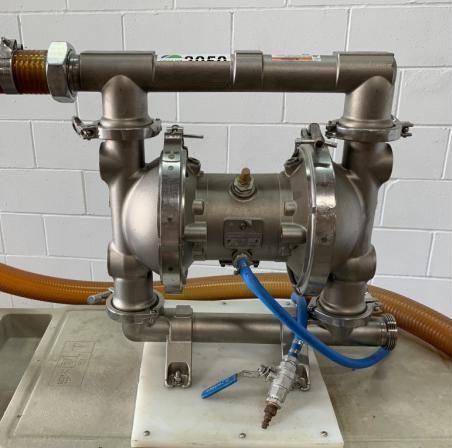
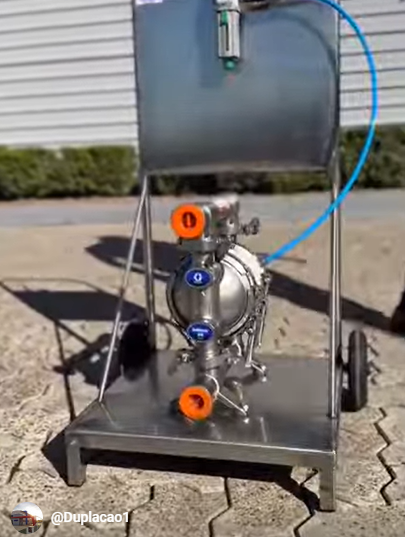
Bombs: Pneumatic pumps are responsible for generating and maintaining compressed air pressure in the system. They can be of different types, such as diaphragm or piston pumps, depending on the application. These pumps are designed to be robust and reliable, ensuring a continuous supply of compressed air.
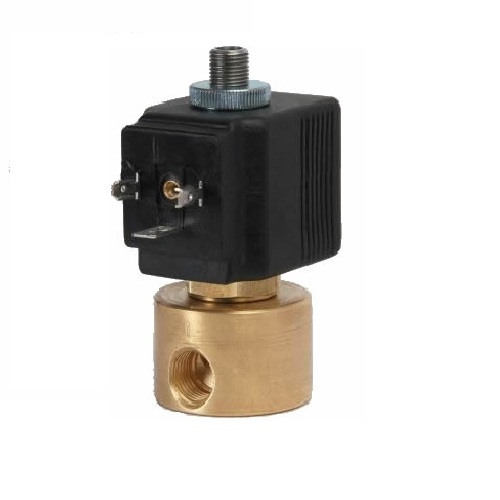
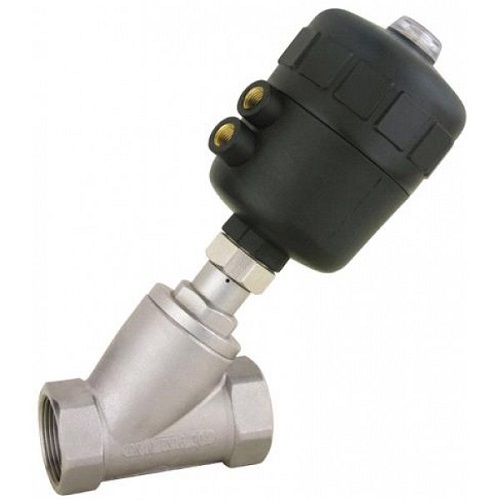
Valves: Valves play a crucial role in controlling airflow within the system. They can be manual or automatic and are used to direct the compressed air to different parts of the system. Pressure control valves, for example, help regulate air pressure while steering valves allow air to flow in different directions, depending on the need for the process.
Actuators: Actuators are devices that convert compressed air energy into mechanical motion. There are several types of actuators, such as pneumatic cylinders, which perform linear movements, and pneumatic engines, which perform rotary movements. These actuators are essential for performing tasks such as parts movement, machine drive and process automation.
In addition to these main components, pneumatic systems also include accessories such as filters, regulators and lubricants, which guarantee compressed air quality and the proper functioning of the system. The combination of these elements allows pneumatic systems to be highly efficient and versatile, meeting a wide range of industrial applications.
Description of pumps, valves and actuators used in pneumatic systems.
Bombs: Pumps are essential components in pneumatic systems as they are responsible for generating and maintaining compressed air pressure. There are different types of pumps, such as diaphragm pumps e piston pumps. Diaphragm pumps are known for their ability to deal with corrosive and viscous fluids, while piston pumps are more common in high pressure applications. Both pumps are designed to be durable and efficient, ensuring a continuous supply of compressed air to the system.
Valves: Valves control compressed air flow within the pneumatic system. They can be classified into various categories, such as pressure control valves, steering valves and relief valves. To the pressure control valves regulate air pressure to ensure that the system operates within safe limits. To the steering valves allow air to flow in different directions, depending on the need for the process, while the relief valves Protect the system against overpressure, releasing air when the pressure exceeds a predefined limit.
Actuators: Actuators are devices that convert compressed air energy into mechanical motion. You pneumatic cylinders They are the most common actuators, performing linear movements. They are used in a variety of applications such as pushing, pulling or lifting objects. In addition to cylinders, there are pneumatic engines, which perform rotary movements and are used in applications that require continuous rotation. The choice of actuator depends on the specific needs of the application, such as strength, speed and type of movement.
These components work together to form an efficient pneumatic system, allowing the automation of industrial processes and performing tasks accurately and quickly.
4. Examples of applications in the industry
Pneumatic application It is widely used in several industrial sectors due to its efficiency and versatility. A common example is in automotive industrywhere pneumatic systems are used to assemble parts. Pneumatic cylinders drive robots that perform tasks such as welding, painting and assembling components, increasing the accuracy and speed of the process.
In the sector food, pneumatic is used in packaging lines. The valves control the airflow that moves the packaging, ensuring that they are positioned correctly for filling and sealing. This not only improves efficiency, but also reduces the risk of contamination as compressed air can be filtered to meet hygiene standards.
Another example is in pharmaceuticalwhere pneumatic automation is crucial for handling sensitive products. Pneumatic systems are used to transport vials and other containers without risk of breaking. The accuracy of pneumatic actuators ensures that products are safely and efficiently moved.
Na Paper and Cellulose Industry, pneumatic is applied to quality control processes. Pneumatic equipment is used to perform pressure and leakage tests in tubes and containers, ensuring that products meet quality standards before being sent to the market.
These examples show how pneumatic application is essential in different sectors, providing solutions that increase the efficiency, safety and quality of industrial processes.
Practical cases of pneumatic use in different industrial sectors.
Practical cases of pneumatic use demonstrate the versatility and efficiency of this technology in various industrial sectors.
Na automotive industry, pneumatic is widely used in assembly lines. For example, pneumatic cylinders are used to position and fix components while assembling vehicles. This not only accelerates the process, but also ensures accuracy in placing the parts.
Na food industry, pneumatic application is crucial for safe product handling. Pneumatic systems are used to carry packaging and vials through production lines. Valves control airflow, allowing packaging to be moved efficiently and hygienic, minimizing the risk of contamination.
Another example is found in pharmaceuticalwhere pneumatic is used for the transport of medicines and vials. Pneumatic actuators ensure that products are moved carefully, avoiding breaks and ensuring the integrity of sensitive products. In addition, pneumatic automation helps maintain compliance with the strict quality standards required in this sector.
Na Paper and Cellulose Industry, pneumatic is applied to quality control processes. Pneumatic equipment is used to perform pipe and containers pressure tests, ensuring that products meet quality standards before being sent to the market. This is critical to avoiding failures and ensuring customer satisfaction.
These practical cases illustrate how pneumatic application is essential in different sectors, providing solutions that increase the efficiency, safety and quality of industrial processes.