Flow adjustment is an essential technique in pneumatic systems, allowing you to control the amount of air or fluid passing through a system. This practice not only optimizes performance, but also contributes to energy efficiency and equipment durability. In this article, we will cover the importance of flow adjustment, its practical applications, and how to correctly implement it in your operations.
What is Flow Adjustment? – Definition and importance of flow adjustment in pneumatic systems.
What is Flow Adjustment? Flow adjustment refers to controlling the amount of air or fluid that passes through a pneumatic system. This practice is crucial to ensuring that equipment operates within its ideal specifications. When flow is adjusted correctly, systems operate more efficiently, reducing energy consumption and extending component life.
Definition and importance of flow adjustment in pneumatic systems: Flow adjustment is carried out using regulating valves, which allow modification of the pressure and volume of the air or fluid. This is especially important in applications where precision is fundamental, such as in painting, packaging and industrial automation processes. An inadequate flow can result in operational failures, wasted resources and even damage to equipment.
Benefits of Flow Adjustment: Adjusting the flow brings several benefits, such as improving energy efficiency, reducing operating costs and optimizing system performance. With adequate flow, it is possible to avoid overloads and premature wear, ensuring that equipment operates smoothly and reliably. Furthermore, a correct adjustment can increase productivity, as processes become faster and more efficient.
Flow Adjustment Techniques: There are several techniques and tools available to perform flow adjustment. Among them, the use of manometers to measure pressure, control valves and pressure regulators stands out. The choice of the appropriate technique depends on the characteristics of the system and the specific needs of the application. It is important to test and monitor performance after tuning to ensure satisfactory results.
Practical Applications of Flow Adjustment: Flow adjustment is widely used in various industries, such as automotive, pharmaceutical and food. For example, on assembly lines, precise airflow control is essential for the proper functioning of pneumatic tools. In the food industry, flow adjustment is crucial to ensure product quality and safety. Each sector can benefit from flow adjustment, adapting techniques to their specific needs.
Benefits of Flow Adjustment – How flow adjustment can improve system efficiency and performance.
Benefits of Flow Adjustment – Flow adjustment is a fundamental practice in pneumatic systems, as it brings a series of benefits that directly impact the efficiency and performance of the systems. When the air or fluid flow is correctly adjusted, it is possible to optimize the functioning of machines and equipment, resulting in a significant increase in productivity.
How flow adjustment can improve efficiency: One of the main benefits of flow adjustment is improved energy efficiency. Systems that operate with an adequate flow consume less energy, which translates into reduced operating costs. Furthermore, a well-regulated flow prevents overloads on components, reducing wear and tear and extending the useful life of the equipment.
Systems performance: Flow adjustment is also crucial to ensure optimal system performance. When flow is excessive or insufficient, there may be a loss of control and precision in operations. For example, in painting processes, an inadequate flow can result in poor quality finishes. Therefore, ensuring that the flow is within recommended parameters is essential to maintain the quality of the final product.
Failure reduction: Another important benefit is the reduction of operational failures. Systems that do not have the flow adjusted correctly are more prone to failures and interruptions, which can cause production delays and increased costs. Flow adjustment helps minimize these risks, providing a safer and more efficient work environment.
Improved automation: In automated systems, flow adjustment is vital for the proper functioning of actuators and valves. Precise flow control ensures that actuators respond quickly and efficiently, improving automation and process integration. This results in a more fluid and coordinated operation, essential for competitiveness in the current market.
Flow Adjustment Techniques – Methods and tools to perform flow adjustment effectively.
Flow Adjustment Techniques – Flow adjustment in pneumatic systems is a task that requires precision and technical knowledge. There are several techniques and tools that can be used to ensure that the air or fluid flow is always within ideal parameters. Below, we present some of the main techniques for performing flow adjustment effectively.
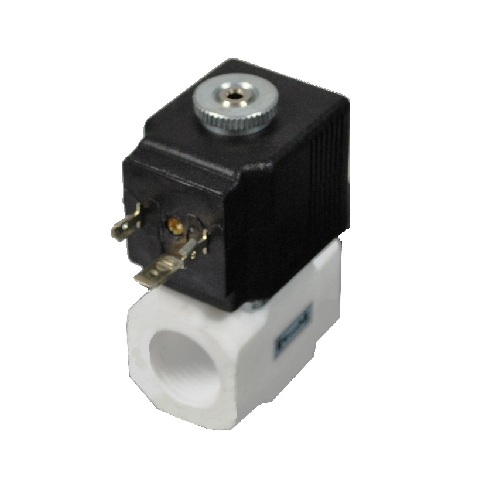
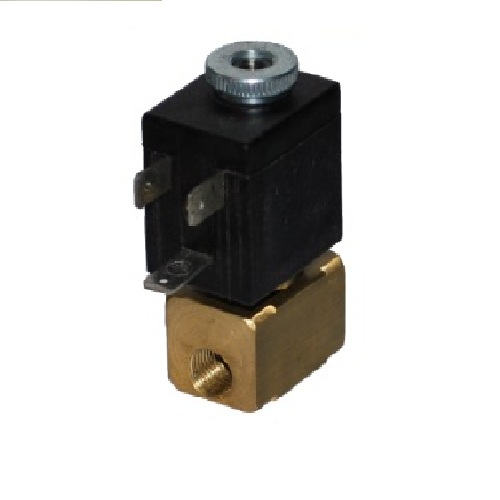
1. Válvulas de Controle: Control valves are fundamental devices for adjusting flow. They allow you to regulate the amount of air or fluid that passes through the system. There are different types of valves, such as ball valves, butterfly valves and needle valves, each with its specific characteristics. Choosing the correct valve depends on the application and type of control desired.
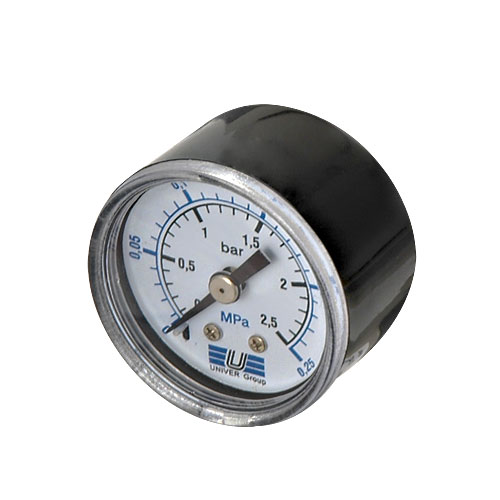
2. Pressure gauges: The use of pressure gauges is essential to measure system pressure. With these measurements, it is possible to adjust the flow precisely. Analog and digital pressure gauges are available on the market, and the choice between them may depend on the need for accuracy and ease of reading.
3. Pressure Regulators: Pressure regulators are devices that maintain constant pressure in a system, regardless of flow variations. They are essential to ensure that the flow of air or fluid remains stable, avoiding fluctuations that could compromise the system's efficiency.
4. Flow Tests: Performing flow tests is a best practice to verify that the adjustment is correct. This can be done using measuring devices that evaluate the flow of air or fluid. These tests help identify whether the system is operating within desired parameters and whether additional adjustments are necessary.
5. Monitoring Software: In more complex systems, the use of monitoring software can be extremely useful. These programs allow you to monitor system performance in real time, making it easier to identify problems and make flow adjustments quickly and efficiently. The integration of technology in process automation is a growing trend that brings many benefits.
6. Team Training: Finally, it is important to highlight that training the team that operates the pneumatic systems is essential. Knowledge of flow adjustment techniques and equipment operation ensures that operators can make adjustments effectively, contributing to the efficiency and safety of the system.
Practical Applications of Flow Adjustment – Examples of how flow adjustment is used in different industries.
Practical Applications of Flow Adjustment – Flow adjustment is a practice widely used in several industries, being essential to guarantee the efficiency and quality of processes. Below we present examples of how flow adjustment is applied in different sectors.
1. Automotive Industry: In the automotive industry, flow adjustment is crucial for the operation of pneumatic tools used on assembly lines. Proper airflow ensures tools operate at the correct pressure, resulting in accurate assemblies and preventing damage to components. Furthermore, flow adjustment contributes to energy efficiency by reducing compressed air consumption.
2. Food Industry: In the food sector, flow adjustment is vital for product packaging and transportation processes. Precise control of air or fluid flow is necessary to ensure food integrity and process safety. For example, in filling systems, inadequate flow can cause contamination or product waste.
3. Pharmaceutical Industry: The pharmaceutical industry uses flow adjustment in drug manufacturing and packaging processes. Precision in flow control is essential to ensure the correct dosage of active ingredients and the quality of the final products. Pneumatic automation systems are often used to maintain flow within the parameters required by safety and quality standards.
4. Painting Industry: In industrial painting processes, flow adjustment is essential to ensure a uniform, high-quality finish. Airflow control in spray guns allows the operator to adjust the pressure and amount of paint applied, resulting in adequate coverage and avoiding waste. A well-regulated flow also minimizes the formation of smudges and imperfections.
5. Construction Industry: In construction, flow adjustment is used in pneumatic tools, such as hammers and drills. Proper airflow ensures these tools work efficiently, increasing productivity and reducing work time. Furthermore, flow adjustment helps prevent failures and breakages, extending the useful life of the equipment.
6. Robotics Industry: In robotic systems, flow adjustment is essential for the operation of actuators and pneumatic cylinders. Precise airflow control allows robots to perform fast and precise movements, essential for automated operations. Proper flow adjustment contributes to system efficiency and reduced operational errors.