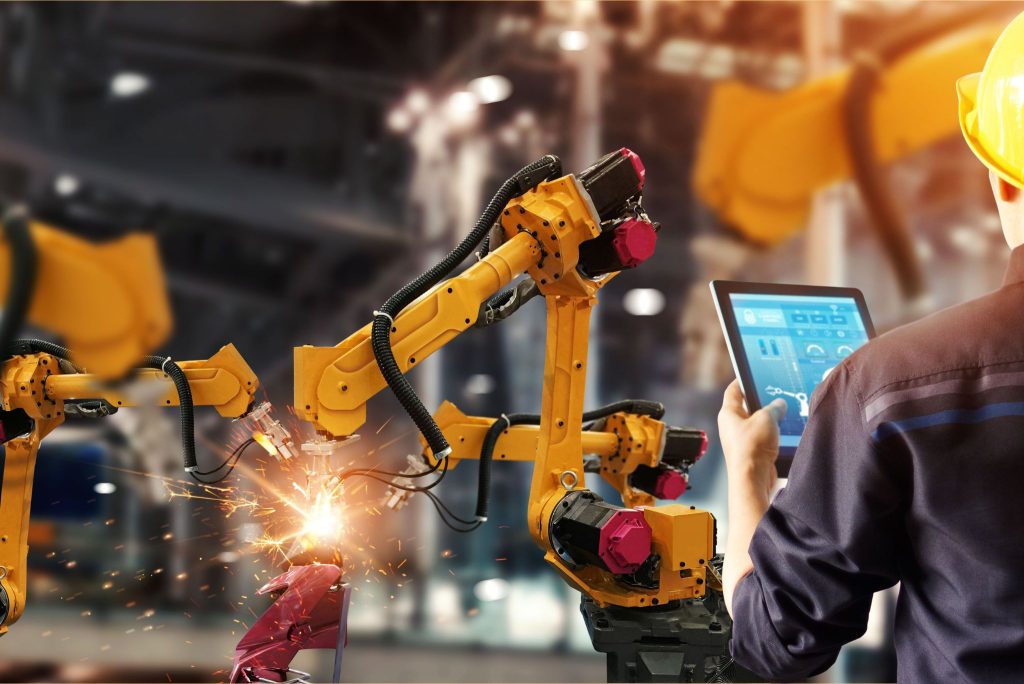
The integration of measuring instruments into systems is crucial for optimizing industrial processes, ensuring precision and efficiency. Although it faces challenges such as compatibility and the need for training, the benefits outweigh the difficulties, resulting in better decision-making and increased productivity.
Integrate measuring instruments into a system It is a fundamental practice for companies that seek precision and efficiency in their operations. As technology advances, the need to connect different devices optimally becomes increasingly clear. In this article, we will guide you on how to integrate these instruments effectively, highlighting their importance and the challenges that may arise in this process.
What are measuring instruments?
Measuring instruments are devices used to quantify physical quantities, such as temperature, pressure, humidity and volume. They play a crucial role in various industries, ensuring that processes are accurately monitored and controlled. Choosing the appropriate instrument depends on the type of measurement required and the conditions in which it will be used.
Types of Measuring Instruments
There are several types of measuring instruments, each designed for a specific application. For example, thermometers are used to measure temperature, manometers for pressure and multimeters to measure electrical voltage. The precision and reliability of these instruments are essential to guarantee product quality and process safety.
How Measuring Instruments Work
Most measuring instruments work based on physical principles. For example, a mercury thermometer measures temperature by expanding mercury in a capillary tube. A manometer uses the pressure of a gas or liquid to indicate the pressure in a system. Understanding how these instruments work is essential for their correct use and maintenance.
Importance in Industry
In industry, measurement accuracy is vital. Measuring instruments ensure that processes are within specifications, avoiding waste and guaranteeing the quality of the final product. Furthermore, the integration of these instruments into automated systems allows for real-time monitoring, increasing operational efficiency.
Importance of instrument integration
A instrument integration measurement is fundamental to optimizing industrial processes and ensuring the accuracy of the data collected. When different instruments are connected to a central system, it is possible to monitor and control variables in real time, resulting in greater efficiency and reduced errors.
Benefits of Integration
One of the main benefits of integration is the agility in decision making. With accurate, up-to-date data, companies can quickly react to changes in operating conditions, adjusting processes as needed. This not only improves productivity but also helps avoid waste and failure.
Error Reduction
The integration of instruments also contributes to the reduction of human errors. By automating data collection and analysis, the chances of errors in interpreting and recording information decrease. This is especially important in sectors where precision is critical, such as the pharmaceutical and food industries.
Ease of maintenance
Furthermore, integration facilitates equipment maintenance. With an integrated system, it is easier to identify faults and carry out preventive maintenance, ensuring that the instruments are always in ideal operating conditions. This extends the useful life of the equipment and reduces repair costs.
How to integrate measuring instruments into systems
Integrate measuring instruments In systems it is a process that requires planning and technical knowledge. The first step is to identify which instruments are needed for the specific application and how they will communicate with the central system.
Choice of Instruments
It is essential to choose instruments that meet the measurement needs of your operation. Consider factors such as accuracy, the type of quantity to be measured and compatibility with the existing system. For example, if you need to measure pressure, a digital pressure gauge may be the best choice.
Communication Protocols
After selecting the instruments, the next step is to define the communication protocols. This involves deciding how data will be transmitted between the instruments and the system. Common protocols include Modbus, Profibus and Ethernet/IP. Choosing the right protocol is crucial to ensuring the integrity and speed of data transmission.
System Configuration
System configuration must be done with attention to detail. This includes physical installation of instruments, software configuration, and device calibration. Calibration is an important step to ensure instruments provide accurate and reliable measurements.
Testing and Validation
After integration, it is essential to carry out tests to validate the functioning of the system. This involves checking that data is being collected correctly and that communication between the instruments and the system is working as expected. Regular testing helps identify problems before they affect operation.
Challenges in integrating measuring instruments
A integration of measuring instruments can present several challenges that need to be overcome to ensure an efficient and reliable system. One of the main challenges is the compatibility between different devices. Instruments from different manufacturers may use different protocols and data formats, which can make communication between them difficult.
Training and Qualification
Another important challenge is the need to training and qualification of the team. Operators and technicians must be familiar with new systems and instruments to ensure they can use them effectively. This may require investments in training and time to adapt.
Maintenance and Technical Support
A maintenance of integrated instruments can also be a challenge. It is crucial to establish a preventive maintenance plan to avoid failures that could compromise operation. Additionally, technical support must be available to resolve issues quickly, minimizing downtime.
Data Management
O data management generated by integrated instruments is another aspect to be considered. With the collection of large volumes of data, it is necessary to have adequate systems to store, process and analyze this information. The lack of an effective system can lead to difficulties in decision-making.
Conclusion on Measuring Instrument Integration
The integration of measuring instruments is essential for optimizing processes and ensuring precision in industrial operations. Although there are challenges, such as device compatibility and the need for training, the benefits outweigh the difficulties.
With a careful approach and proper planning, you can overcome these obstacles and create an efficient system that improves decision-making and productivity.
Therefore, investing in the integration of measuring instruments can be a decisive step towards success and innovation in your company.
FAQ – Frequently asked questions about measuring instrument integration
What are the main benefits of measuring instrument integration?
The integration allows real-time monitoring, error reduction and agility in decision making, increasing operational efficiency.
What challenges can I face when integrating measuring instruments?
Key challenges include cross-device compatibility, need for staff training, and effective management of collected data.
How can I ensure the accuracy of integrated measuring instruments?
Regular calibration and preventative maintenance are essential to ensure instruments provide accurate and reliable measurements.
What communication protocols are common in instrument integration?
Protocols such as Modbus, Profibus and Ethernet/IP are frequently used to ensure effective communication between instruments and systems.
Is it necessary to train staff to operate the integrated instruments?
Yes, training is essential so that the team can use the instruments effectively and resolve problems that may arise.
How can I manage the data generated by the integrated instruments?
Using adequate systems for storing and analyzing data is crucial to transforming information into valuable insights for decision-making.