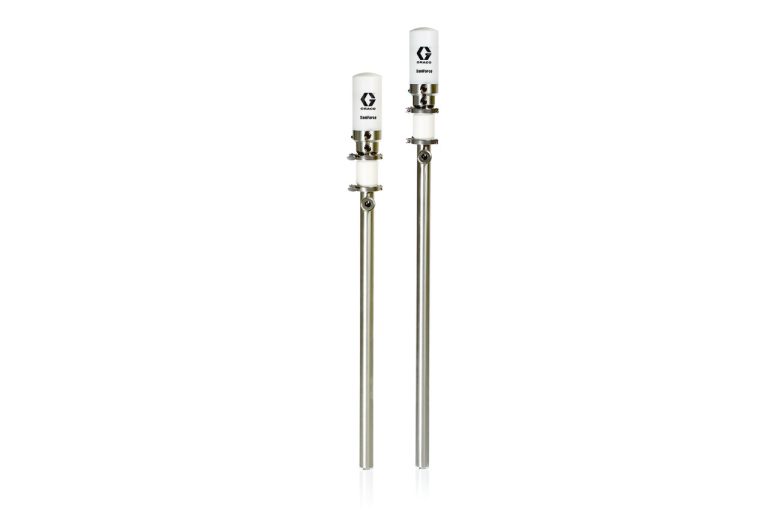
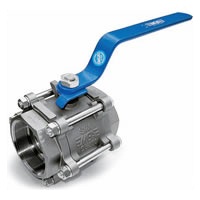
Pneumatic pumps are widely recognized for their versatility and efficiency in various industries. Among the options available, Graco Husky pumps stand out for their ability to handle a wide range of chemicals, flow rates and viscosities. However, the choice of bomba ideal for a specific application can be challenging. In this article, we will explore some important points that should be considered when selecting a pneumatic pump.

- Understand the fluid to be pumped
The first step in choosing the right pump is to understand the characteristics of the fluid that will be pumped. For example, pumping water requires a different approach than it would take to pump glue, epoxy, tomato puree, or acids. Each fluid has unique properties that affect equipment selection.
- Identify the application
What is the purpose of pumping? Are you powering another machine, transferring fluids, or unloading a tank? Understanding the context in which the pump will be used helps determine the best option.
- Consider the diameter of the pipes
Pneumatic pumps deliver large volumes but operate at low pressure. Therefore, the diameter of the pipes must be as large as possible to optimize performance. Also, think about the amount of fluid needed for your application.
- Pump location
Where will the pump be positioned? Will you need to create suction height? The length of the suction and discharge hoses will influence pressure losses; the longer the journey, the greater the losses.
- Intermittent or continuous operation
If the pump will run continuously, it may be necessary to opt for a larger pump with a lower operating cycle, which results in less wear and tear and maintenance costs. Conversely, intermittent applications may benefit from smaller pumps.
- ATEX CERTIFICATION
If the pump will be used in potentially explosive environments, ATEX certification is essential. This seal guarantees that the equipment operates safely in risky environments, as long as it is used in accordance with the manufacturer's recommendations.
Practical Example: Pumping Sulfuric Acid
Let's apply these guidelines to a practical example: pumping sulfuric acid. Sulfuric acid has a low viscosity of 26.7 cPs at 21ºC and a density of 1.84 kg/l, making it a heavy fluid.
Chemical compatibility
Consulting the Graco Chemical Compatibility Guide, we found that sulfuric acid is compatible with materials such as polypropylene, Santoprene®, PTFE and Viton®. The cost of materials must also be considered, as Viton® is the most expensive among them.
Operating temperature
It is crucial to know the temperature at which the acid will be pumped. For example, polypropylene should not be used above 65ºC. For higher temperatures, such as 75ºC, it would be better to consider stronger plastics such as Kynar® or metals such as Hastelloy®.
Practical application
Imagine an application where sulfuric acid is pumped from a 1200 liter tank to a conditioning unit, filling 5 liter barrels at a rate of 30 liters per minute. The tank is 3 meters high, with a meter of horizontal pipe followed by a 5 meter discharge pipe. Using the Graco Suction Loss Spreadsheet, we determined that the estimated losses would be 0.59 bar, leaving 0.41 bar, which is sufficient for this operation.
Selecting the Husky Pump
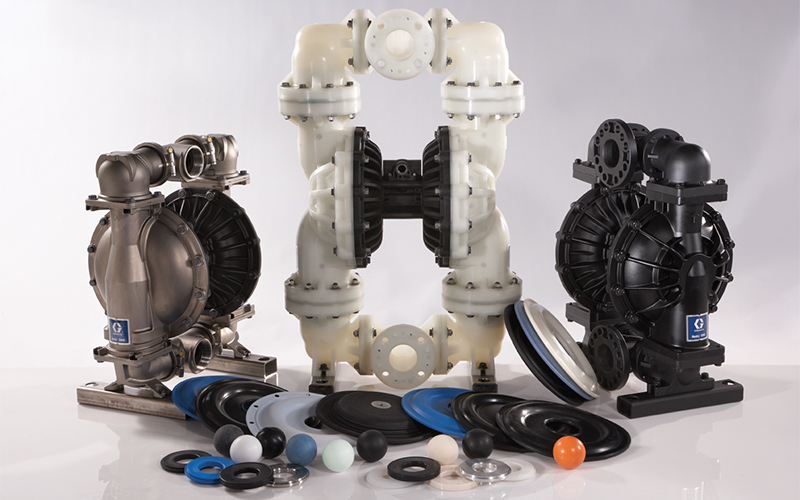
With all this information, we can consider Husky pumps that meet sulfuric acid requirements. Some viable options include:
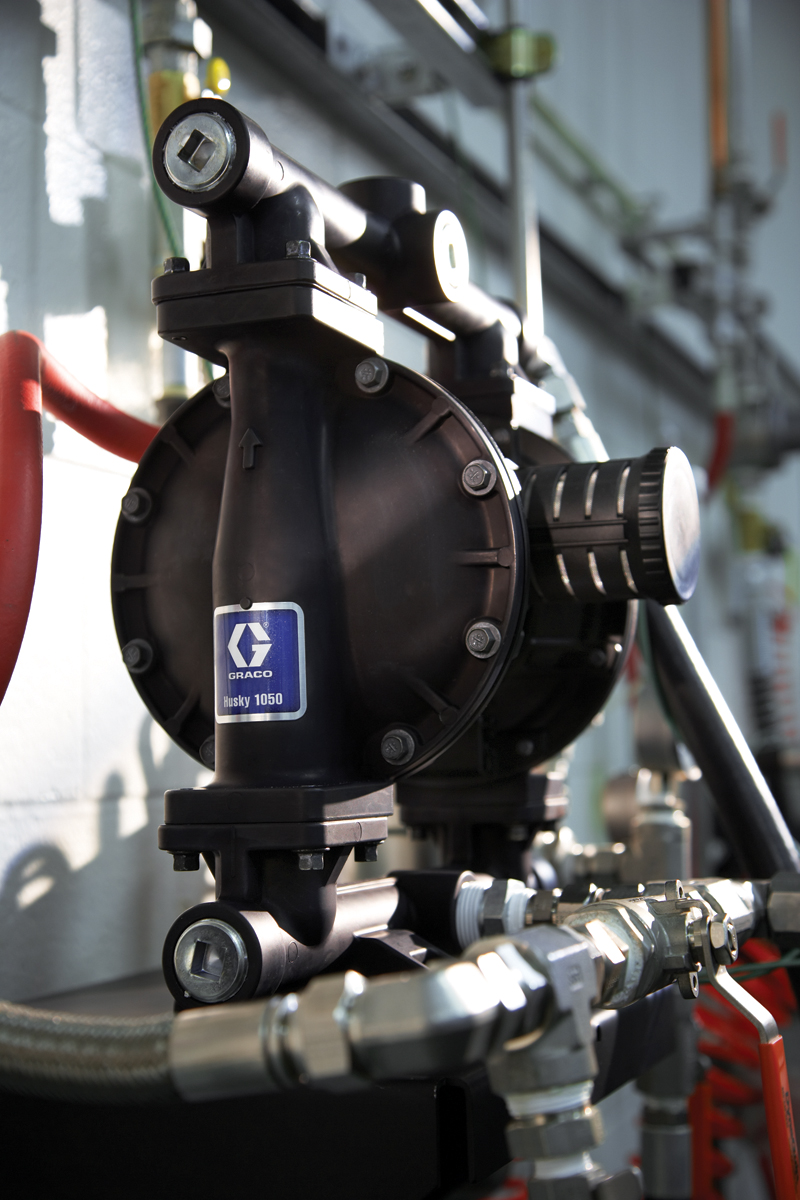
- Husky 1050 (1 inch): Cycle volume of 0.64 liters at 47 cycles per minute. Ideal for intermittent operations.
- Husky 1590 (½ inch): Cycle volume of 1.96 liters at 16 cycles per minute. Great for continuous applications, with less pulsation.
- Husky 15120 (1½ inch): Delivers 2.4 liters per cycle at 12.5 cycles per minute. Extremely resistant to acids.
- Husky 1040 ChemSafe: Designed for hostile environments, with body encapsulated in PTFE or polypropylene.
FINAL CONSIDERATIONS
Graco Husky pneumatic pumps are excellent options for a variety of applications, especially in challenging contexts such as pumping sulfuric acid. To help you choose the ideal pump, Graco offers tools such as the Chemical Compatibility Guide and the Pneumatic Pump Selector.
If you need assistance with selection or would like a demonstration of a Husky pump, please don't hesitate to get in touch. Choosing the correct pump can result in greater efficiency and lower maintenance costs, ensuring the success of your operation