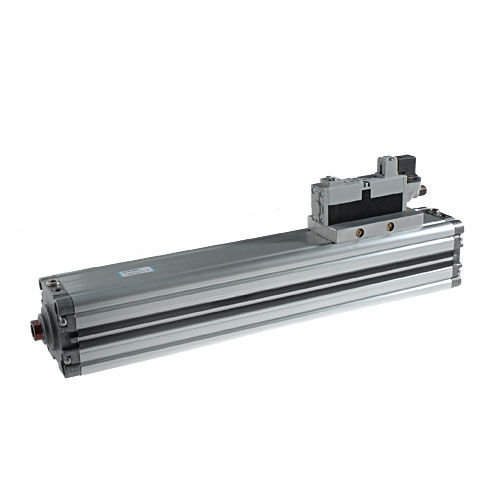
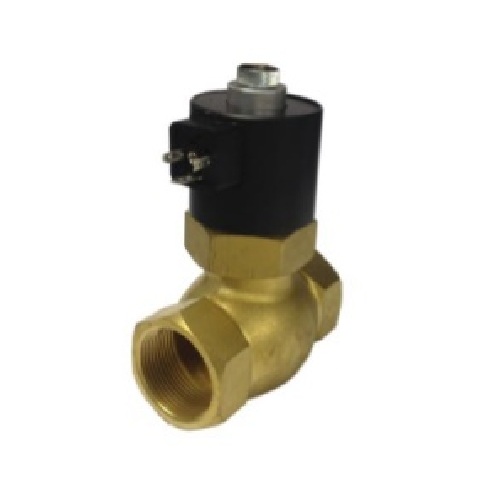
The Z-pressure sensor is an essential device for measuring pressure in pneumatic and hydraulic systems. With advanced technology, it guarantees precision and reliability, making it ideal for applications in industries that require strict pressure control. In this article, we will explore the features, benefits and applications of the Z-pressure sensor, highlighting its importance in industrial automation.
What is a Z-pressure sensor?
O Z-pressure sensor is an electronic device designed to measure the pressure of gases or liquids in industrial systems. It uses advanced technology to ensure accurate and reliable measurements.
The operation of the Z-sensor is based on physical principles, where the applied pressure causes a deformation in a sensitive element, which is then converted into an electrical signal.
This electrical signal can be interpreted by control systems, allowing you to monitor and adjust processes in real time. Z-sensors are widely used in applications that require strict pressure control, such as in automation systems, chemical processes and the oil and gas industries.
Furthermore, Z-sensors are designed to operate in harsh conditions, withstanding variations in temperature and humidity. This makes them ideal for industrial environments where precision and durability are essential.
Applications of Z-pressure sensor
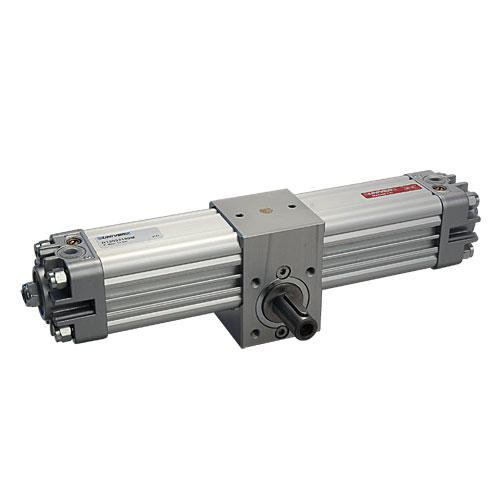
O Z-pressure sensor It has a wide range of applications in various industrial sectors. One of the main uses is in automation systems, where accurate pressure measurement is crucial for the proper functioning of machines and equipment. For example, in production lines, the Z-sensor can monitor pressure in pneumatic cylinders, ensuring actuators operate efficiently.
Furthermore, Z-sensors are often used in chemical processes, where pressure must be controlled to avoid unwanted reactions. In reactors, accurate pressure measurement helps maintain ideal conditions for the reaction, increasing the safety and efficiency of the process.
Another field of application is in oil and gas industry, where Z-sensors monitor pressure in pipelines and tanks. This is vital to prevent leaks and ensure the integrity of operations. In systems of irrigation, these sensors help optimize water use by monitoring pressure in pumping systems.
Finally, Z-sensors are also used in medical equipment, such as ventilators and blood pressure monitors, where accuracy is essential for patient safety. The versatility of the Z-pressure sensor makes it an ideal choice for a variety of industrial and commercial applications.
Advantages of Z-pressure sensor
O Z-pressure sensor offers several advantages that make it a preferred choice in industrial applications. One of the main advantages is the precision in measurements. These sensors are designed to provide accurate readings, which is crucial in processes that rely on tight pressure control.
Another significant advantage is the durability. Z-sensors are built to withstand harsh conditions such as variations in temperature and humidity, which ensures reliable performance over time. This reduces the need for frequent maintenance and replacements, resulting in cost savings.
In addition, the ease of integration is a strong point. Z-sensors can be easily connected to existing automation systems, allowing companies to upgrade their operations without the need for major modifications. This facilitates the implementation of new technologies and improves operational efficiency.
Z-sensors are also known for their versatility. They can be used in a variety of applications, from pressure monitoring in hydraulic systems to process control in chemical industries. This flexibility makes them an ideal solution for different industries.
Finally, the reliability of Z-sensors is a crucial factor. With consistent performance, these sensors help minimize operational risks, ensuring industrial processes run safely and efficiently.
How to choose the ideal Z-pressure sensor
Choose the Z-pressure sensor ideal involves considering several important factors. First, it is essential to assess the pressure range that the sensor should measure. Each application may have specific requirements, and the sensor chosen must be able to operate within these limits without compromising accuracy.
Another aspect to be considered is the precision of the sensor. High precision sensors are essential in processes where small pressure variations can affect product quality or system safety. Check the manufacturer's specifications to ensure the sensor meets your needs.
A operating temperature is also a critical factor. The Z-sensor must be able to function properly under the environmental conditions of the application. Sensors designed to withstand high temperatures or corrosive environments are ideal for specific industries.
In addition, the ease of installation and integration with existing systems must be considered. Sensors that offer simple connectivity and compatibility with automation systems make deployment easier and reduce downtime.
Finally, it is important to evaluate the durability and a maintenance of the sensor. Robust sensors, which require little maintenance, are preferable in industrial environments where reliability is essential. Choosing a Z-pressure sensor that combines all of these features will ensure efficient and reliable performance in your operations.