The yoke is an essential component in various machines and systems, used to connect and transmit force between moving parts. In this article, we will explore the concept of yoke, its practical applications and the importance of this element in different sectors.
What is a Yoke?
One yoke is a mechanical device that connects two or more components, allowing the transmission of force and movement between them. It is often used in systems that require the synchronization of moving parts, such as agricultural machinery, vehicles and industrial equipment.
Yokes can be made from different materials, such as metal or plastic, depending on the application and strength requirements. They are designed to withstand loads and stresses, ensuring connected parts function efficiently and safely.
Furthermore, the design of the yoke can vary as needed. There are fixed yokes, which do not allow movement, and articulated yokes, which allow a certain flexibility. This versatility makes the yoke an essential component in many machines and systems.
In short, the yoke plays a crucial role in mechanics, facilitating the interaction between different parts and contributing to the proper functioning of various equipment.
Yoke Applications in Industry
O yoke It is widely used in various industries due to its ability to connect and transmit force between components. One of the most common applications is in industry automotive, where yokes are used in transmission systems to ensure that engine movement is efficiently transferred to the wheels. This is crucial for vehicle performance and safety.
Na agriculture, yokes are essential on tractors and harvesting equipment. They allow different implements, such as plows and seeders, to be coupled and uncoupled easily, increasing the versatility of the machines. This helps farmers optimize their operations and increase productivity.
Also, in construction industry, yokes are used on cranes and heavy equipment to connect cables and chains, ensuring loads are lifted and moved safely. The reliability of the yokes is essential to avoid accidents and ensure the efficiency of operations.
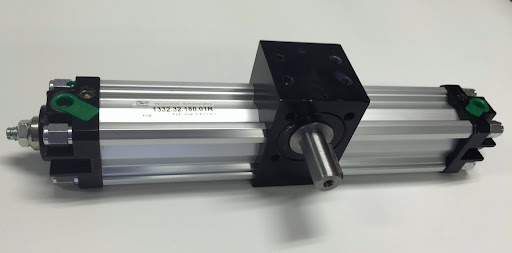
Finally, in systems industrial automation, yokes are used to connect actuators and valves, allowing precise process control. This application is vital for maintaining quality and efficiency in production lines.
Advantages of Using Yokes
Or use of yokes in mechanical systems it offers several advantages that directly impact the efficiency and safety of operations. One of the main advantages is the efficient force transmission. Yokes allow the force generated by a motor or actuator to be transferred effectively to moving parts, ensuring the system functions optimally.
Another important advantage is the versatility. Yokes can be used in a wide range of applications, from vehicles to industrial equipment. This adaptability allows companies to use a single type of component on different machines, reducing costs and simplifying maintenance.
Furthermore, yokes contribute to the security of operations. By connecting components securely, they minimize the risk of mechanical failures that can lead to accidents. This is especially critical in industrial environments where worker safety is a priority.
Finally, the ease of maintenance is a significant advantage. Yokes are designed to be durable and in many cases can be easily replaced or adjusted. This reduces machine downtime and increases overall productivity.
Yoke Maintenance and Care
A maintenance adequate of yokes It is essential to ensure its efficient operation and extend its useful life. One of the main precautions is the regular inspection. It is important to check for signs of wear, such as cracks or deformation, which could compromise the integrity of the component.
In addition, the lubrication It is a crucial aspect of yoke maintenance. The application of appropriate lubricants helps to reduce friction between moving parts, preventing premature wear and improving system efficiency. It is recommended to follow the manufacturer's guidelines on the types of lubricants to be used.
Another important point is the correct fit from yoke. A poorly adjusted yoke can cause system failures and increase the risk of accidents. Therefore, it is essential to ensure that the yoke is installed according to the manufacturer's specifications.
Finally, the replacement of damaged yokes must be done immediately. Ignoring compromised components can lead to catastrophic failures and disruptions to operations. Maintaining a stock of spare parts can be an effective strategy for minimizing downtime.