The Y-branch is an essential component in pneumatic and hydraulic systems, used to divide or join air or liquid flows. In this article, we will explore its characteristics, applications and the importance of choosing the correct model to ensure efficiency and safety in your operations.
What is a Y-branch?
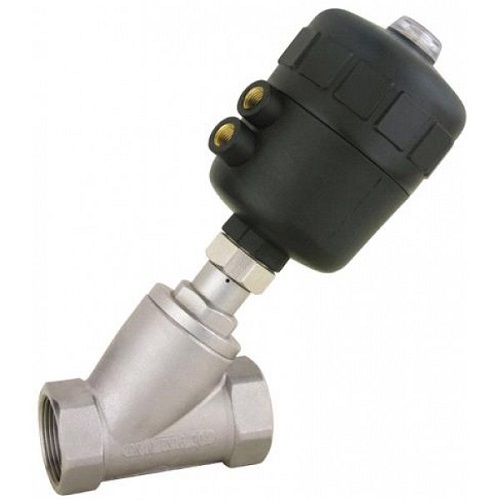
O Y-branch is a component used in pneumatic and hydraulic systems, designed to divide or join air or liquid flows. It has a shape that resembles the letter 'Y', allowing a single stream to branch into two or two streams to join together into a single path. This configuration is essential to optimize space usage and ensure system efficiency.
Y-branches are manufactured in different materials, such as plastic, metal e special leagues, depending on the application and operating conditions. The choice of material is crucial as it influences the corrosion resistance, working pressure and durability of the component.
Additionally, Y-branches can vary in diameter and branch angle, allowing them to be adapted to different systems and needs. Correct installation of the Y-branch is essential to prevent leaks and ensure adequate system performance.
In summary, the Y-branch is a versatile and essential element in automation systems, contributing to the efficiency and functionality of industrial processes.
Y-branch applications
O Y-branch It is widely used in various industrial applications, especially in pneumatic and hydraulic systems. One of the main applications is in process automation, where it is used to divide the flow of compressed air or liquid into different directions, allowing multiple machines or tools to operate simultaneously.
Furthermore, the Y-branch is common in painting systems, where it is used to direct the flow of paint to different spray guns. This ensures uniform and efficient coverage on large surfaces, optimizing time and resources.
Another important application is in cooling systems, where the Y-branch helps distribute the refrigerant in a balanced way between different parts of the system, ensuring adequate performance and avoiding overloads.
Em chemical industries, the Y-branch is used to mix different fluids or to direct chemicals in production processes. Its resistance to chemicals and high pressure makes it ideal for these applications.
Finally, the Y-branch is also used in irrigation systems, allowing water to be distributed efficiently across different growing areas, ensuring that all plants receive the required amount of water.
How to choose the ideal Y-branch
Choose the Y-branch ideal is essential to guarantee the efficiency and safety of your pneumatic or hydraulic system. There are several factors to consider during this selection.
First, it is important to evaluate the material from the Y-branch. The most common materials include plastic, aluminum e stainless steel. The material must be chosen based on the corrosion by temperature of the fluid that will pass through the component. For example, in corrosive environments, stainless steel is preferable.
Another aspect to consider is the diameter from the Y-branch. The diameter must be compatible with the pipes in your system to avoid flow restrictions. An inadequate diameter can cause loss of pressure and efficiency.
In addition, the branch angle of the Y-branch is also crucial. A 45-degree angle is common, but depending on the application, different angles may be more suitable. Too steep an angle may cause turbulence in the flow, while too gentle an angle may not divide the flow effectively.
Finally, check the operating pressure from the Y-branch. It must be able to withstand the maximum system pressure without failure. Consulting the manufacturer's specifications is essential to ensure that the chosen component meets all of your system's requirements.
Y-branch maintenance and care
A maintenance of the Y-branch is essential to ensure the proper functioning and durability of the component. A well-maintained Y-branch can prevent problems such as leaks and system failures. Here are some best practices for Y-branch maintenance and care.
First, it is important to perform regular inspections. Check for signs of wear, corrosion or visible damage. Inspecting joints and connections is crucial as they are common leak points. If you identify any anomaly, replace the Y-branch immediately.
Also, keep the Y-branch clean. Dirt and debris can clog the flow and cause excessive pressure. Use cleaning products suitable for the Y-branch material and avoid the use of aggressive solvents that could damage the component.
Another important point is to check the operating pressure. Ensure that the Y-branch is operating within the manufacturer's recommended specifications. Excessive pressures can compromise component integrity and lead to failure.
Finally, consider periodic replacement of the Y-branch, even if there are no visible signs of wear. Pneumatic and hydraulic components have a limited lifespan, and preventative replacement can avoid unexpected downtime and high repair costs.