Xylene is a solvent widely used in industry for cleaning components due to its effective dissolving properties. In this article, we will explore its features, benefits and practical applications. Furthermore, we will discuss the importance of its safe use.
1. What is the xylene?
O xylene is an organic solvent that belongs to the class of aromatic hydrocarbons. It is composed of three isomers: ortho-xylene, meta-xylene e para-a-xhylene. Each of these isomers has a slightly different chemical structure, but they all share similar properties that make them useful in a variety of industrial applications.
Xylene is a colorless liquid with a sweet odor and is soluble in many organic solvents such as alcohol and ether. Its chemical formula is C8H10, and is often used as a solvent due to its ability to dissolve a wide range of substances, including resins, paints and oils.
Furthermore, xylene is mainly produced from oil and natural gas, being a byproduct of the refining process. Its large-scale production makes it one of the most accessible solvents on the market.
Due to its properties, xylene is widely used in industries such as paint, cleaning e plastics manufacturing. It is important to note that despite its useful applications, xylene must be handled with care due to its toxicity and potential to cause irritation upon skin contact or inhalation.
2. Properties of Xylene
O xylene It has several properties that make it a highly effective solvent in various applications. One of its main features is the solubility. Xylene is soluble in many organic solvents, which facilitates its use in dissolving paints, resins and other materials.
Another important property of xylene is its boiling point, which varies between 138 °C and 144 °C, depending on the isomer. This temperature range allows xylene to evaporate quickly, which is beneficial in cleaning and drying processes.
Xylene also has a viscosity relatively low, which facilitates its application in spray systems and painting processes. Its low viscosity allows it to penetrate hard-to-reach areas, ensuring more effective cleaning.
Furthermore, xylene is a liquid colorless and has a characteristic sweet odor. This characteristic makes it easy to identify, which is important for safe handling. However, it is essential to remember that, despite its useful properties, xylene is considered a hazardous material and must be handled with caution.
Finally, xylene is a degreasing agent effective, capable of removing dirt, grease and other contaminants from metal and plastic surfaces. This property is widely exploited in industries that require rigorous cleaning of components and equipment.
3. Applications of Xylene in Component Cleaning
O xylene is widely used in various industries due to its effectiveness in component cleaning. One of the main applications of xylene is in automotive industry, where it is used to remove grease, oil and dirt from metal parts. Its ability to dissolve contaminants makes it ideal for cleaning engines, transmissions and other critical components.
Furthermore, xylene is used in electronics industry para a limpeza de circuitos impressos e componentes eletrônicos. Ele ajuda a remover resíduos de solda e outros contaminantes, garantindo que os dispositivos funcionem corretamente. A limpeza com xileno é essencial para manter a qualidade e a confiabilidade dos produtos eletrônicos.
Na painting industry, o xileno é frequentemente usado como um solvente para diluir tintas e vernizes. Isso permite uma aplicação mais uniforme e facilita a limpeza de ferramentas e equipamentos após o uso. O xileno também é eficaz na remoção de manchas de tinta em superfícies, tornando-o um aliado importante para pintores e profissionais de acabamento.
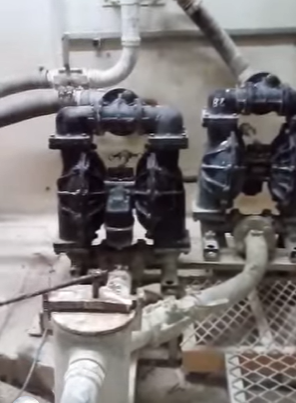
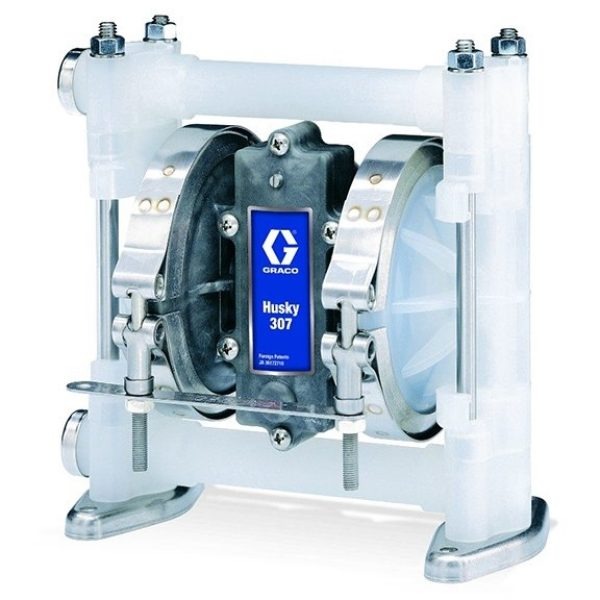
Outra aplicação relevante do xileno é na limpeza de equipamentos industriais, such as pumps, valves and pipes. Its ability to penetrate hard-to-reach areas and dissolve accumulated residues ensures that equipment operates efficiently and safely. Regular maintenance with xylene can extend equipment life and reduce operating costs.
Finally, xylene is used in laboratories to clean glass utensils and equipment. Its effectiveness in removing chemical and biological residues is essential to guarantee precision and safety in laboratory analyses.
4. Safety and Handling of Xylene
O xylene is an effective solvent, but its handling requires special care due to its toxicity and potential to cause irritation. It is essential to follow safety practices when working with this product.
First, it is important to use Personal Protective Equipment (PPE), such as gloves, protective glasses and respiratory masks. This equipment helps prevent direct contact with the skin and inhalation of vapors, which can be harmful to health.
Xylene must be stored in adequate containers, which are hermetically sealed and correctly identified. The storage location must be well ventilated and away from heat sources or flames, as xylene is flammable. It is recommended to keep the product in designated areas, away from incompatible materials.
During use, it is essential to work in well-ventilated areas to minimize exposure to vapors. If possible, use local exhaust or ventilation systems to ensure that vapors are dissipated quickly.
In the event of a spill, action must be taken quickly to contain the leak and clean the affected area. Use appropriate absorbent materials and dispose of them in accordance with local environmental regulations. It is important to prevent xylene from coming into contact with water or drainage systems as it can cause contamination.
Furthermore, in case of contact with skin or eyes, immediately wash the affected area with plenty of water and seek medical assistance if necessary. Inhaling vapors can cause symptoms such as dizziness, headache and respiratory tract irritation, and it is important to seek fresh air and medical assistance if symptoms persist.
Finally, it is essential to be aware of the safety standards and local regulations related to the use and disposal of chemicals, including xylene. Compliance with these guidelines helps ensure the safety of all workers and the environment.