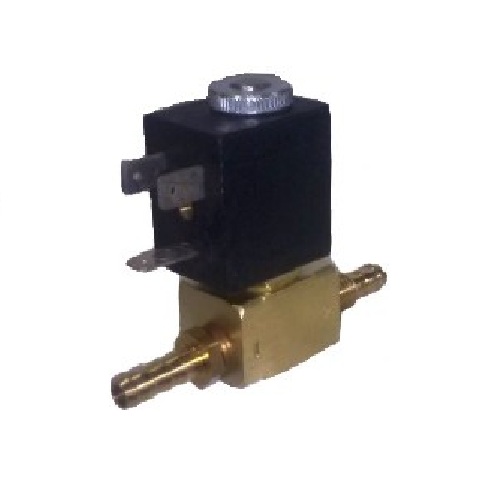
The safety valve is an essential component in pneumatic systems, designed to protect equipment and operators against overpressure. In this article, we will address its functionalities, practical applications and the importance of choosing quality products to ensure the safety and efficiency of industrial processes.
What is a Safety Valve? – Definition and basic functioning of the safety valve in pneumatic systems.
The safety valve is a crucial device in pneumatic systems, designed to protect the system against overpressure.
When the internal pressure of a system exceeds a safe limit, the safety valve automatically opens, allowing air or fluid to escape. This prevents damage to equipment and ensures operator safety.
Basic operation The safety valve is simple: it uses a spring mechanism that opens when the pressure reaches a predetermined level. This level is adjusted according to system specifications, ensuring that the valve acts at the right time.
Types of Safety Valves
There are different types of safety valves, such as relief and blocking, each with its specific characteristics. Choosing the appropriate type depends on system needs and operating conditions.
Furthermore, regular maintenance of the valve is essential to ensure its effective functioning and extend its useful life. Therefore, understanding what a safety valve is and how it operates is essential for any professional who works with pneumatic systems.
Safety Valve Applications – Exploration of the various safety valve applications in industries and processes.
The safety valve It is widely used in various industries due to its ability to protect pneumatic and hydraulic systems.
One of the main applications is in the manufacturing industry, where it is installed in machines that operate under high pressure. This ensures that, in the event of failure, excessive pressure is released, preventing damage to equipment and workplace accidents.
In the chemical sector, safety valves are essential to prevent explosions and leaks of dangerous substances. They ensure that the pressure inside the tanks does not exceed safe limits, protecting both workers and the environment.
In the food industry, safety valves are used in processing systems to ensure product integrity and process safety.
Also, in energy installations, like power plants, safety valves are essential for protecting boilers and steam systems.
The versatility of safety valves makes them indispensable in any application where pressure needs to be controlled and safety must be prioritized.
Importance of the Safety Valve in Industry – Analysis of the relevance of the safety valve for the protection of equipment and worker safety.
The safety valve plays a vital role in protecting equipment and ensuring worker safety in industrial environments. Its main function is to prevent the occurrence of overpressures that can cause catastrophic failures in pneumatic and hydraulic systems.
When the pressure reaches a critical level, the valve opens automatically, allowing the controlled release of air or fluid, which prevents damage to equipment and accidents.
Furthermore, the presence of safety valves is often required by industrial safety standards, which demonstrates their regulatory importance.
In emergency situations, the safety valve acts as a protection device, minimizing risks and ensuring the integrity of the work environment.
Lack of an adequate safety valve can result in serious consequences such as explosions, fires and injuries to workers.
Therefore, investing in quality safety valves is essential to maintain the safe and efficient operation of any industrial facility.
How to Choose the Ideal Safety Valve – Tips and considerations for selecting the right safety valve for your needs.
Choosing the ideal safety valve is crucial to ensuring the safety and efficiency of pneumatic systems.
First, it is important to consider the operating pressure of the system. The valve must be selected with a pressure limit that meets or exceeds the maximum expected pressure.
In addition, the Type of fluid which will be used must also be taken into account. Safety valves are designed for different types of fluids, such as air, water or chemicals, and the wrong choice can compromise safety.
Another factor to consider is the construction material of the valve. Materials such as stainless steel are recommended for corrosive environments, while plastics may be suitable for less demanding applications.
The size of the valve is also an important aspect. It must be compatible with the system piping to ensure adequate flow.
Finally, check the standards and certifications that the valve meets, as this ensures that it meets safety and quality requirements.
By following these guidelines, you will be able to select a safety valve that meets your specific needs and ensures the protection of your system.