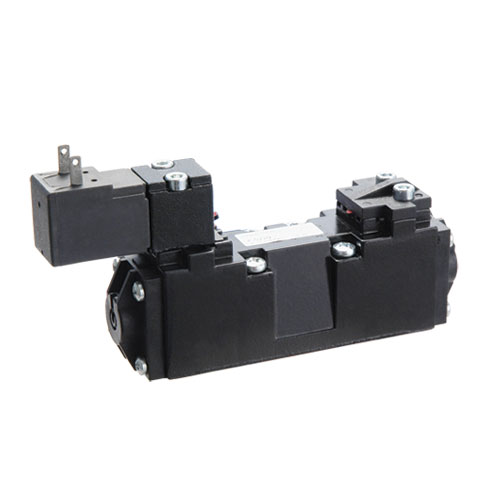
The strangulation valve is an essential component in fluid automation and control systems. Its main function is to regulate the flow of fluids and gases, ensuring efficiency and safety in industrial processes. In this article, we will explore its characteristics, applications and advantages, providing a comprehensive view of this important device.
What is a Choke Valve? Definition and basic functioning of the choke valve, including its main components.
The choke valve is a device used to control the flow of fluids in pneumatic and hydraulic systems. Its basic operation is through modulation of the fluid passage, allowing precise adjustments in the quantity that flows through the system.
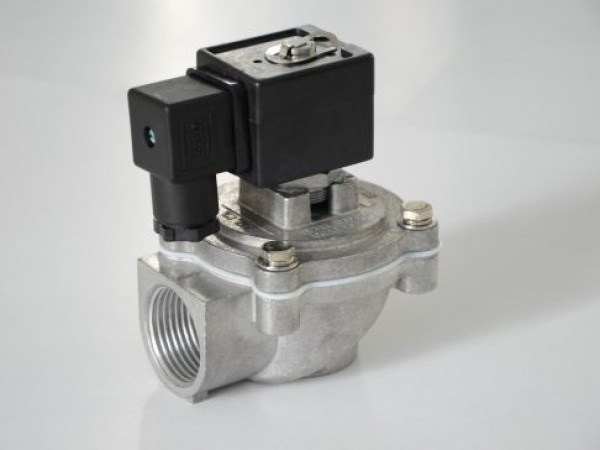
The main components of a strangulation valve include the body of the valve, the shutter, the actuator, and the input and output connections. The body is the structure that houses the other components, while the shutter is the moving part that regulates the opening and closing of the fluid passage. The actuator can be manual or automatic, depending on the desired type of control.
Strangling valve applications They are diverse and cover sectors such as the chemical, pharmaceutical and food industry. In pneumatic systems, it is used to control the pressure and speed of actuator, while in hydraulic systems, it helps regulate fluid pressure and flow, ensuring process efficiency.
The advantages of using the strangulation valve They include improving operational efficiency as it allows for more accurate flow control, resulting in less waste of resources. In addition, it contributes to system safety, avoiding overpressions and possible failures.
Maintenance and care with the strangulation valve They are essential to ensure their proper functioning. It is recommended to perform regular inspections, verify the status of the components and replace worn parts. Periodic cleaning is also important to prevent obstructions that may compromise valve performance. Following these practices ensures the longevity and efficiency of the equipment, avoiding unexpected production stops.
Strangulation valve applications. Exploitation of various applications in industries, such as flow control in pneumatic and hydraulic systems.
The choke valve It is widely used in several industries to control fluid flow in both pneumatic and hydraulic systems.
In pneumatic systems, the strangulation valve is essential to regulate the pressure and velocity of the compressed air that feeds actuators and cylinders. This ensures that machines operate efficiently and safely, avoiding overloads that can damage the equipment.
In the hydraulic industry, this valve plays a crucial role in controlling the fluid flow, allowing thin adjustments that are required in manufacturing and assembly processes. For example, in a car assembly line, the strangulation valve can be used to regulate the fluid pressure that triggers pneumatic tools, ensuring that each operation is performed accurately.
Furthermore, the strangulation valve is used in cooling systems, where soda flow control is vital to system efficiency. In heating applications, it helps to regulate the temperature, ensuring that heat is distributed evenly.
The advantages of using the strangulation valve They include the ability to optimize processes, saving energy and resources. With precise flow control, industries can reduce material waste and improve overall efficiency.
FinallyProper maintenance of the strangulation valve is critical to ensuring its effective functioning. It is recommended to perform regular inspections and verify that there are leaks or wear on the components. Periodic cleaning is also important to prevent obstructions that may compromise valve performance. Following these practices ensures that the valve operates reliably and efficiently over time.
Advantages of using the strangulation valve. Benefits of using the strangulation valve, including efficiency, safety and resource saving.
The choke valve It offers several advantages that make it an essential component in industrial systems. One of the main advantages is the efficiency in flow control. By regulating the flow of fluids, the valve allows processes to operate under ideal conditions, avoiding waste and ensuring that the exact amount of fluid is used. This is especially important in industries where accuracy is crucial, as in the manufacture of chemicals and pharmacists.
Furthermore, the strangulation valve contributes to the security of the systems. With proper pressure and flow control, it is possible to prevent overload situations that could result in catastrophic failures. This is vital in industrial environments, where workers safety and equipment integrity are priorities.
The saving of resources It is also a significant benefit. With the strangulation valve, industries can reduce energy consumption and minimize the use of raw materials, resulting in a more sustainable and economic operation.
Finally, the flexibility of using the strangulation valve in different applications, such as pneumatic and hydraulic systems, makes it a versatile choice for various industries. This versatility, coupled with the mentioned benefits, makes the strangling valve an intelligent solution to optimize industrial processes.
Maintenance and care with the strangulation valve. Recommended tips and practices for proper maintenance, ensuring the longevity and performance of the equipment.
Maintenance and care with the strangulation valve They are essential to ensure their proper functioning and extend their useful life.
First, it is important to perform regular inspections to verify the general condition of the valve. This includes the check of leaks, wear on the components and the integrity of the connections.
Periodic cleaning It is another recommended practice. Dirt and waste may obstruct fluid passage, affecting valve performance. Use proper cleaning products and follow the manufacturer's instructions to avoid damage.
Furthermore, it is essential to verify the Actuator Adjustment, which can be manual or automatic. A poorly adjusted actuator can lead to inaccurate flow control, resulting in inefficiencies.
Replacement of parts worn out should be done immediately. Components such as shutter and joints are critical for valve operation and should be replaced at the first wear sign.
Finally, keep a record of maintenance performed. This helps identify wear patterns and program interventions before major problems occur.
Following these practices, it is possible to ensure that the strangulation valve operates reliably and efficiently over time.