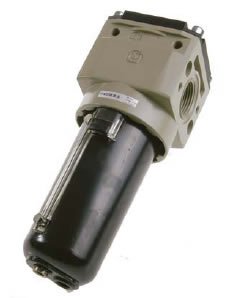
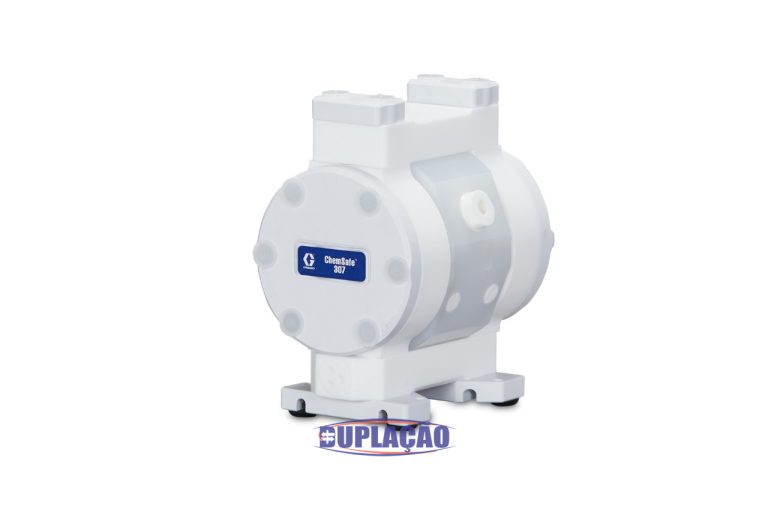
The pressure control valve is an essential component in pneumatic and hydraulic systems, ensuring the maintenance of the desired pressure in industrial processes. In this article, we will cover its operation, practical applications and tips for the appropriate selection of this equipment.
What is a Pressure Control Valve? Definition and working principles of pressure control valve.
A pressure control valve is a device designed to regulate pressure in pneumatic and hydraulic systems. Its main objective is to maintain the desired pressure in a system, avoiding fluctuations that could cause damage to equipment or compromise industrial processes.
The operation of the pressure control valve is based on principles of fluid mechanics. When the fluid pressure reaches a certain level, the valve automatically adjusts to allow or restrict flow, ensuring that the pressure remains within established limits. This adjustment can be done manually or automatically, depending on the type of valve used.
There are different types of pressure control valves, such as relief valves, which release excessive pressure, and the regulating valves, which adjust the outlet pressure of a system. Choosing the appropriate type depends on the specific needs of the application and the characteristics of the system in which it will be installed.
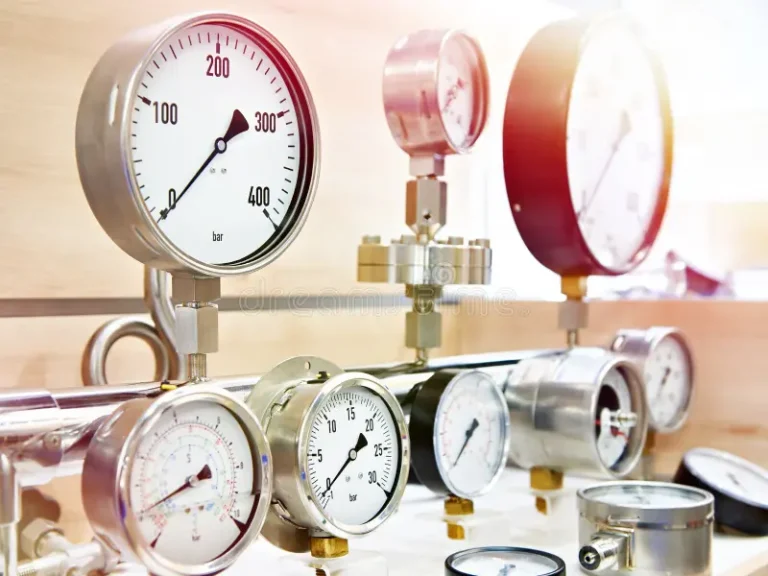
Furthermore, the pressure control valve can be equipped with pressure relief devices. monitoring e automation, allowing more precise and efficient pressure control. This is especially important in industrial processes where precision and safety are paramount.
Main Applications of the Pressure Control Valve Exploration of industries and processes that use pressure control valves.
A pressure control valve It is widely used in various industries due to its ability to regulate pressure effectively. Among the main applications, the following stand out:
- Chemical Industry: Pressure control valves are essential for maintaining adequate pressure in reactors and tanks, preventing explosions and ensuring process safety.
- Food industry: In this sector, valves help control pressure in pasteurization and packaging systems, ensuring the quality and safety of food products.
- Pharmaceutical industry: Precision in pressure is crucial for the production of medicines. Control valves ensure that manufacturing processes occur within established parameters.
- Energy Sector: In power plants, valves are used to regulate pressure in steam and water systems, contributing to the efficiency and safety of operations.
- Industrial Automation: Pressure control valves are integrated into automated systems, allowing precise, real-time control of pressure in manufacturing processes.
These applications demonstrate the importance of pressure control valves in ensuring efficiency and safety in various industrial processes. Choosing the appropriate valve can directly impact productivity and operational safety.
How to Choose the Ideal Pressure Control Valve Criteria and factors to consider when selecting a pressure control valve.
Choose the pressure control valve ideal is fundamental to guarantee the efficiency and safety of a system. There are several criteria and factors to consider during this process:
- Type of fluid: It is important to know which type of fluid will be controlled. Different valves are designed to handle liquids, gases or vapors. The compatibility of the valve material with the fluid is crucial to prevent corrosion and failure.
- Pressure range: The valve must be capable of operating within the pressure range required for the application. Check the manufacturer's specifications to ensure that the valve you choose can withstand the maximum and minimum system pressure.
- Accuracy and Sensitivity: Depending on the application, very precise pressure control may be required. Evaluate the sensitivity of the valve and its ability to respond to pressure variations.
- Environmental conditions: Consider the conditions under which the valve will be installed. Factors such as temperature, humidity and the presence of corrosive substances can affect the choice of valve material and type.
- Ease of maintenance: Choose valves that offer easy access for maintenance and repairs. This can reduce downtime and operating costs in the long term.
- Certifications and standards: Check that the valve meets the standards and certifications relevant to your industry. This ensures that the equipment complies with safety and quality standards.
By considering these factors, you can select the pressure control valve best suited for your needs, ensuring reliable and safe performance in your system.
Maintenance and Care of Pressure Control Valves Tips to ensure the efficiency and durability of pressure control valves.
A proper maintenance of pressure control valves is essential to ensure their efficient operation and prolong their useful life. Here are some important tips:
- Regular inspection: Perform periodic inspections to check for signs of wear, corrosion or leaks. This helps identify problems before they become critical.
- Cleaning: Keep the valves clean, removing dirt and residue that could obstruct operation. Use appropriate cleaning products that do not damage the valve materials.
- Adjustment Check: Check that the pressure settings are correct. Improper adjustment can lead to system failure or valve damage.
- Lubrication: Apply recommended lubricants to the moving parts of the valve, if applicable. This reduces friction and wear, improving operating efficiency.
- Operating Test: Perform test runs to ensure the valve responds correctly to pressure changes. This is crucial for applications that require precision.
- Documentation: Keep records of maintenance and inspections. This helps monitor valve performance over time and makes it easier to identify failure patterns.
Following these maintenance and care tips can help prevent unexpected downtime and ensure that pressure control valves operate reliably and efficiently in your applications.