Fluid use is a fundamental practice in various industries, from automation to material handling. Understanding the applications and benefits of fluids can lead to greater efficiency and productivity. In this article, we will explore the main use of fluids, their advantages and how to effectively implement them.
1. What is the use of fluid? - Definition and importance of the use of fluids in industrial processes.
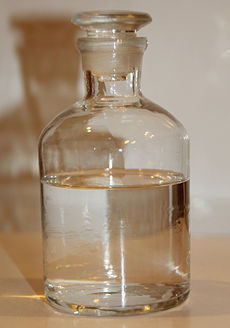
The use of fluid It refers to the application of fluids or gases in industrial processes to perform specific tasks such as transportation, pressure control and machine movement. These fluids are essential for the efficient operation of various systems as they allow the transfer of energy and the accomplishment of mechanical work. THE Importance of the use of fluids It is directly related to its ability to optimize processes, reduce costs and increase safety in operations.
Fluids are used in a variety of applications, including automationwhere they act as a means of transmission of force in pneumatic and hydraulic cylinders. In addition, they are fundamental in the material transportationas in piping systems that move liquids and gases between different points of an installation. The choice of proper fluid can significantly influence the efficiency and reliability of a system.
To Industria, a Fluid Use Definition It covers not only the selection of the fluid type, but also the consideration of factors such as viscosity, temperature and compatibility with the materials involved. These aspects are crucial to ensuring that the system operates effectively and safely, minimizing failure risk and increasing equipment life.
2. Applications of fluid use in industry - exploration of the main areas where fluids are used, such as automation and transportation.
Os Fluids play a crucial role in several industrial applications, being used in processes ranging from automation until the transport of materials.
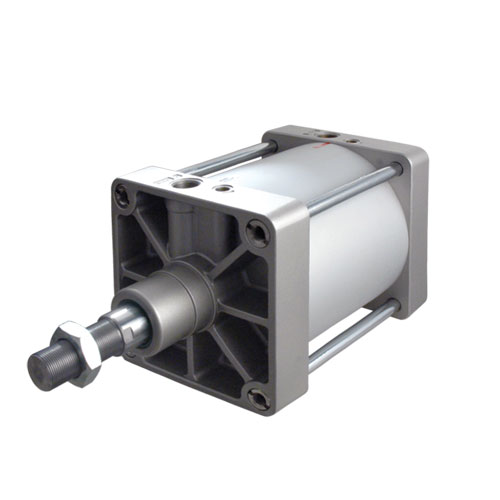
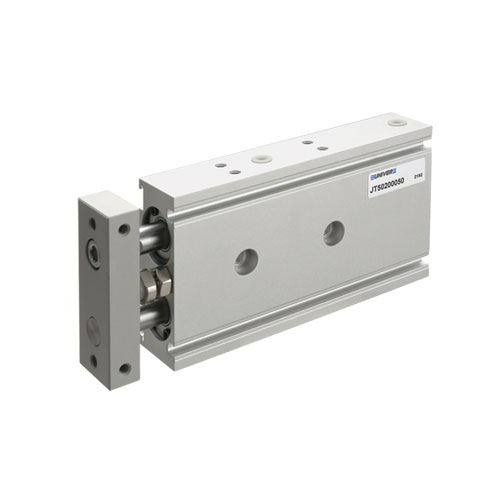
In automation, fluids are fundamental for the operation of pneumatic and hydraulic systems, where air or liquid pressure is used to move cylinders and actuators. This allows tasks such as moving parts on assembly lines and machine control precisely and efficiently.
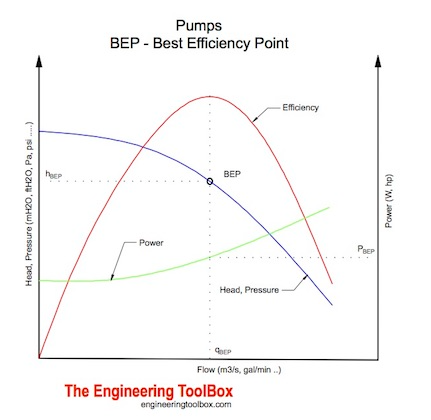
In the transportation sector, fluids are used in piping systems that carry liquids and gases between different points of an installation. For example, in chemical industries, the transport of liquid chemicals is done through pumps that use pumps to ensure that the flow is continuous and controlled. In addition, in cooling and air conditioning systems, refrigerant fluids are essential for heat transfer, ensuring proper functioning of equipment.
Another important application is in Equipment Maintenance. Lubricating fluids are used to reduce friction between moving parts, increasing component life and preventing failures. The choice of fluid suitable for each application is vital, as factors such as viscosity, compatibility and operating temperature should be considered to ensure process efficiency and safety.
3. Advantages of fluid use - analysis of the benefits that the use of fluids brings to process efficiency and safety.
Or use of Fluids in industrial processes brings several advantages that directly impact efficiency and a security operations.
One of the main advantages is the energy efficiency. Fluids, such as oils and lubricants, help reduce friction between moving parts, which decreases energy consumption and prolongs equipment life. This results in fewer stops for maintenance and higher productivity.
In addition, the use of fluids allows a precise control of processes. In pneumatic and hydraulic systems, the pressure and flow of fluids can be accurately adjusted, ensuring that machines operate within the ideal parameters. This not only improves the quality of the final product, but also reduces the waste of materials.
A security It is another crucial aspect. Proper fluids can minimize risk of mechanical failures and accidents. For example, refrigerant fluids in air conditioning systems help maintain safe temperatures by preventing equipment overheating. In addition, using specific properties can prevent corrosion and wear and tear, increasing operational safety.
Finally, the flexibility Provided by the use of fluids is a significant advantage. They can be adapted to different applications, from material transport to process automation. This versatility allows industries to adjust their operations according to market needs, remaining competitive and innovative.
4. How to optimize the use of fluid - tips and best practices to maximize fluid use efficiency in industrial operations.
To optimize fluid use In industrial operations, it is essential to adopt some Tips and Best Practices. First, the Proper fluid selection It's crucial. It is important to choose fluids that are compatible with the materials and operating conditions of the system. This helps to avoid problems such as corrosion and degradation, which can compromise efficiency and safety.
Another recommended practice is the regular maintenance of the systems that use fluids. Perform periodic inspections and exchange fluids according to manufacturer specifications ensure that the system operates efficiently. Fluid contamination can lead to failure and reduce system effectiveness, so maintaining cleaning and fluid quality is essential.
In addition, it is important to monitor operational parameters such as pressure, temperature and viscosity. Using sensors and automation systems can facilitate this monitoring, allowing real -time adjustments that optimize system performance. Collected data analysis can provide valuable insights on system operation and help identify areas of improvement.
Finally, the Team training that operates the systems is fundamental. Ensure that operators understand best practices for handling and fluid application can increase efficiency and safety. Investing in training and awareness about the importance of correct use of fluids brings long -term benefits to industrial operation.