In today's world, the use of devices has become essential to optimize processes and facilitate everyday tasks. From smartphones to industrial equipment, understanding how to use them effectively can bring significant benefits. In this article, we will explore best practices and applications for using devices in different contexts.
1. The Importance of Using Devices in Everyday Life
O device use in everyday life it is essential for carrying out daily tasks more efficiently. With technology advancing rapidly, devices such as smartphones, tablets and laptops have become indispensable tools. They not only facilitate communication, but also allow access to information in real time.
Additionally, the use of devices helps with personal organization. Calendar and reminder apps are examples of how we can manage our time more effectively. This is especially important in a world where productivity is valued.
Another important aspect is the connectivity. Devices connected to the internet allow people to stay in touch, regardless of distance. This is crucial for remote work, which has become common practice. Team collaboration is facilitated by digital tools that allow you to exchange ideas and carry out projects together.
Finally, the use of devices also impacts the education. Students have access to a wide range of online resources, which enriches learning. Distance learning platforms and educational applications make knowledge more accessible to everyone.
2. Mobile Devices: Productivity Tools
Os mobile devices have revolutionized the way we work and communicate. With the popularization of smartphones and tablets, people have access to a variety of applications that increase their productivity in various areas. These devices allow users to perform tasks quickly and efficiently, regardless of where they are.
One of the main benefits of mobile devices is the mobility. Professionals can access and manage emails, documents and calendars at any time. This facilitates quick decision-making and real-time communication, essential in dynamic work environments.
Furthermore, mobile devices offer a range of productivity apps, such as text editors, spreadsheets and project management tools. These apps are designed to streamline workflow, allowing users to easily collaborate with colleagues, share files, and track task progress.
Another important aspect is the integration with other technologies. Mobile devices can connect to printers, projectors and other equipment, expanding their functionality. This is especially useful in presentations and meetings, where the ability to share information visually is crucial.
Finally, the security on mobile devices is also a growing concern. With remote working on the rise, it is vital that companies implement security measures such as two-factor authentication and encryption to protect sensitive data accessed through these devices.
3. Devices in Industrial Environments: Efficiency and Automation
Os devices in industrial environments play a crucial role in efficiency by automation of processes. With the evolution of technology, many industries have adopted solutions that integrate smart devices to optimize their operations. This includes the use of sensors, actuators and control systems that allow you to monitor and manage processes in real time.
A significant example is the use of temperature and pressure sensors. These devices continuously collect data, allowing companies to adjust their operations to maximize energy efficiency and minimize waste. Automating these processes not only reduces human errors but also increases the overall productivity of the production line.
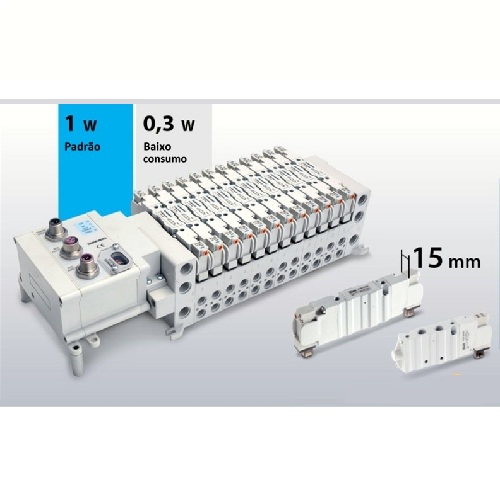
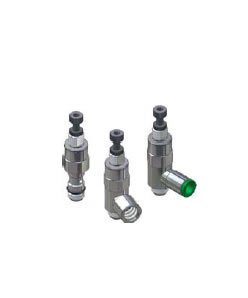
In addition, the pneumatic actuators They are essential for controlling movements in machines and equipment. They allow industries to perform tasks such as moving parts and applying force accurately and quickly. This results in a significant increase in production speed and quality of final products.
A mobile device integration it is also a growing trend in industrial environments. Supervisors and operators can access data and control machines remotely, which improves flexibility and response to problems. This connectivity is vital for predictive maintenance, where devices can alert about failures before they occur, preventing unexpected downtime.
Finally, the industrial automation is not just limited to production. It also extends to logistics and inventory management. Devices such as barcode readers and tracking systems help optimize the flow of materials, ensuring the right products are available at the right time, reducing costs and improving operational efficiency.
4. Futuro do Uso de Dispositivos: Tendências e Inovações
O future of device use is being shaped by several Trends and Innovations que prometem transformar a maneira como interagimos com a tecnologia. One of the main trends is the integration of the Internet of Things (IoT). Internet-connected devices are becoming common in homes and industries, allowing machines and systems to communicate with each other. Isso resulta em maior eficiência e automação em processos.
A Artificial Intelligence (AI) also plays a crucial role in that future. With the ability to learn and adapt, AI can optimize the functioning of devices, making them smarter. For example, virtual assistants on mobile devices are becoming more effective at understanding and meeting users' needs.
Another important innovation is the 5G, which promises much faster internet speeds and more stable connections. This will allow mobile and industrial devices to operate more efficiently with less latency. The implementation of 5G could revolutionize sectors such as healthcare, transportation and manufacturing, where real-time communication is essential.
In addition, the augmented reality (AR) and a virtual reality (VR) are gaining ground. These technologies offer new ways of interacting with devices, enabling immersive experiences. For example, in education, AR can be used to create more engaging learning environments, while in industry, VR can be used for simulated training.
Finally, the sustainability is becoming a priority. Devices that consume less energy and are made from recyclable materials are in high demand. Companies are investing in technologies that not only improve efficiency but also reduce environmental impact.