Fluid suction is a fundamental process in several industrial applications, from liquid transfer to system automation. Understanding the appropriate techniques and equipment for this task is essential to ensure operational efficiency and safety. In this article, we will cover the main aspects of fluid suction, including the types of pumps, valves and automation systems that can be used.
1. What is Fluid Suction? – Definition and importance of fluid suction in industrial processes.
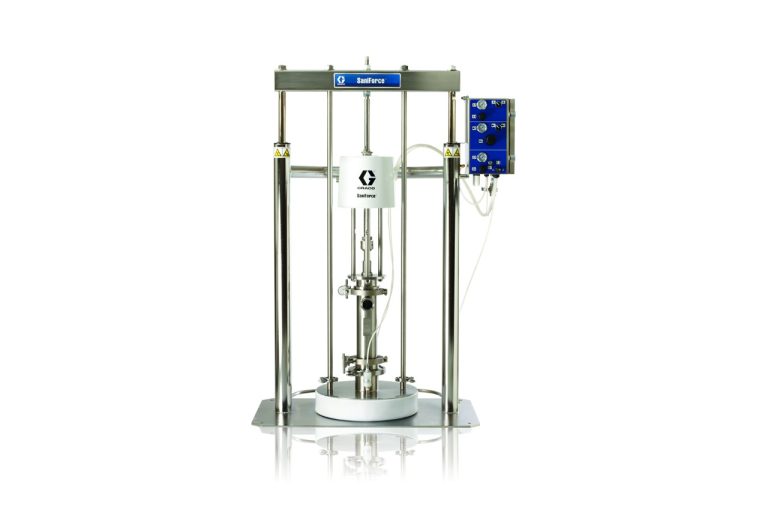
A fluid suction It is an essential process in several industries, used to move liquids from one location to another. This process is carried out through bombs, which create negative pressure, allowing fluid to be pulled through pipes. Fluid suction is crucial in applications such as water transport, chemicals, oils and other liquids, ensuring systems operate efficiently and safely.
In addition to its basic function of moving fluids, fluid suction plays a vital role in industrial automation. Automated systems rely on the precise movement of liquids for processes such as refining, paint e refrigeration. Efficiency in fluid suction can directly impact productivity and quality of the final product.
Another important aspect is the security. Inadequate fluid suction can lead to leaks, contamination and even accidents. Therefore, it is essential to choose the correct equipment and carry out regular maintenance to ensure that the suction system works correctly.
In summary, fluid suction is a critical part of industrial processes, influencing not only operational efficiency but also product safety and quality. Investing in appropriate technologies and preventative maintenance is essential to maximize the benefits of this process.
2. Types of Pumps for Fluid Suction – Exploration of the different types of pumps used for fluid suction, including diaphragm and centrifugal pumps.
There are different types of bombs used in fluid suction, each with specific characteristics that make it suitable for different applications. The two main categories are diaphragm pumps e and centrifugal bombs.
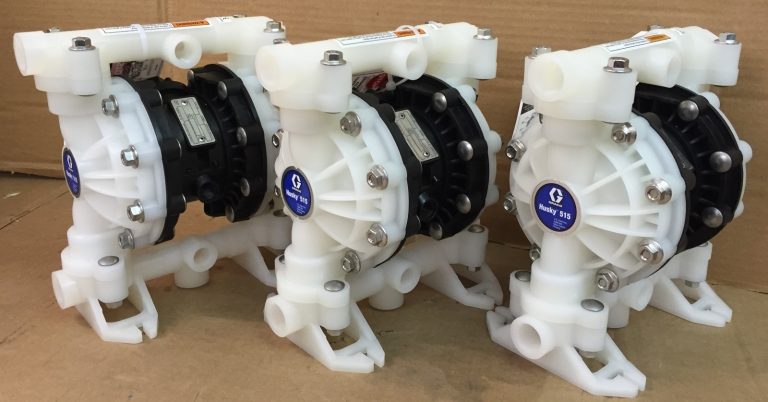
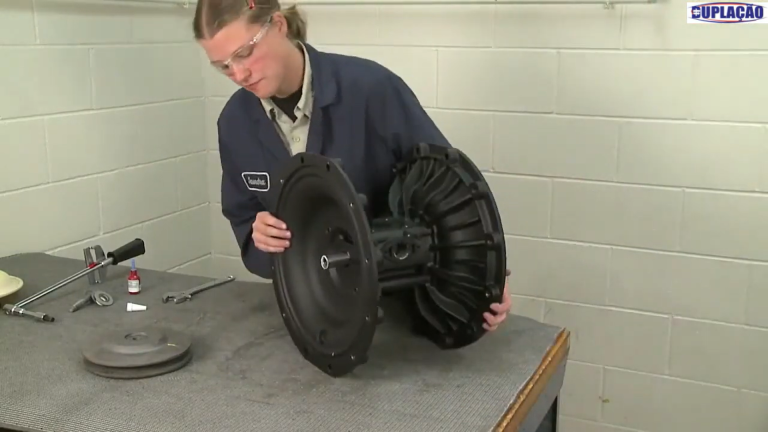
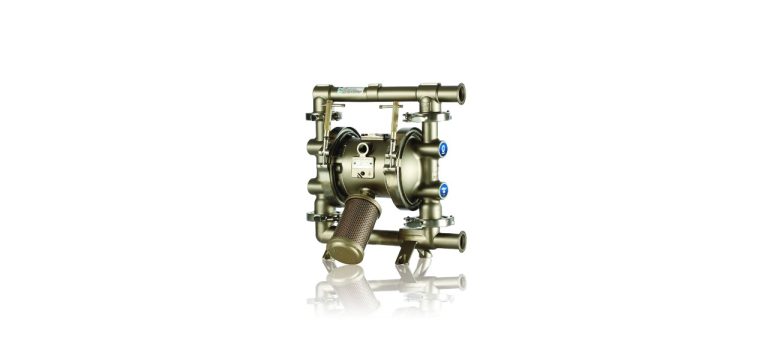
Diaphragm pumps: These pumps are known for their ability to handle viscous and abrasive fluids. They work through the movement of a diaphragm that creates negative pressure, pulling fluid into the pump. This technology is ideal for applications that require precision e control over flow, such as in chemical transfer and the pharmaceutical industry. Additionally, diaphragm pumps are less prone to leaks, which increases operational safety.
Centrifugal bombs: These pumps are widely used due to their efficiency and ability to move large volumes of fluids. They work using a rotor that spins quickly, creating a centrifugal force that pushes the fluid outward. Centrifugal pumps are ideal for applications where the speed and a efficiency are crucial, such as in water supply and refrigeration systems. However, they may not be suitable for very viscous fluids or fluids with suspended solids.
In addition to these, there are other types of pumps, such as peristaltic pumps e gear pumps, which also have their specific applications. Choosing the correct pump depends on factors such as the type of fluid, viscosity, required pressure and the specific application.
In summary, understanding the differences between pump types is fundamental to optimizing the fluid suction in industrial processes, ensuring efficiency and safety in operations.
3. Valves and Actuators in Fluid Suction – Analysis of the role of valves and actuators in the automation and control of fluid flow.
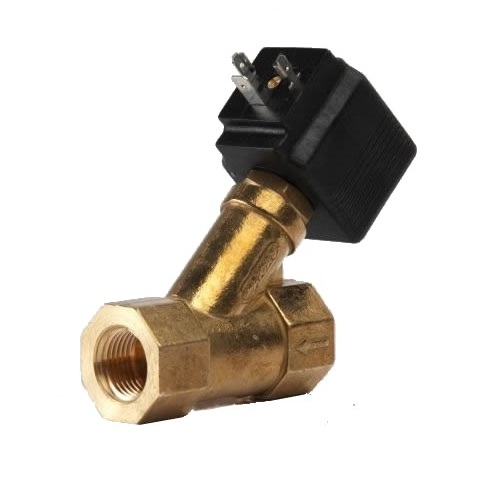
As Valves e actuators play a crucial role in fluid suction, especially in automated systems. They are responsible for controlling the flow of fluids, ensuring that operations are carried out efficiently and safely.
Valves: Valves are devices that regulate the flow of fluids in a system. They can be manual or automatic and are designed to open, close or restrict the flow. There are several types of valves, such as ball valves, drawer valves e check valves. Each type has its specific characteristics and applications. For example, ball valves are known for their tightness and quick operation, while gate valves are better suited for applications that require continuous flow.
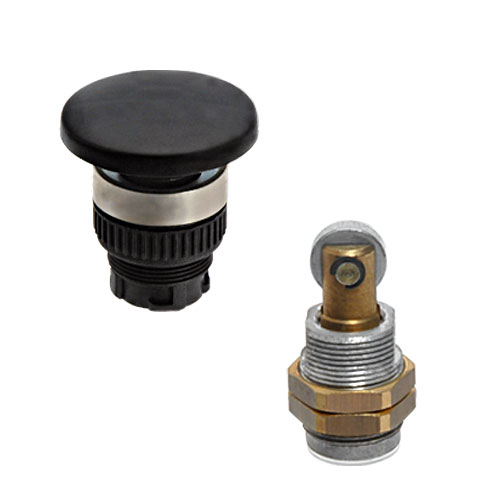
Actuators: Actuators are devices that control the opening and closing of valves. They can be pneumatic, electric or hydraulic, depending on the energy source used. Pneumatic actuators are often chosen for their speed and efficiency in applications that require rapid movements. Electric actuators are preferred in situations where more precise control and the possibility of integration with automation systems are required.
The combination of valves and actuators allows for the automation of flow control, which is essential in industrial processes. For example, on a production line, automation can ensure that fluid is directed to different stages of the process without manual intervention, increasing efficiency and reducing the risk of errors.
Furthermore, the use of suitable valves and actuators can improve operational safety. Safety valves, for example, are designed to prevent overpressures and leaks, protecting both equipment and operators. Therefore, the correct choice of valves and actuators is essential to optimize fluid suction and ensure the safety and efficiency of industrial processes.
4. Practical Applications and Benefits – Discussion of the practical applications of fluid suction and the benefits it brings to industrial efficiency.
A fluid suction It is widely used in various industries, playing a fundamental role in various practical applications. One of the main sectors that benefits from this process is chemical sector, where fluid suction is essential for the transfer of chemicals between tanks and reactors. This ensures that production processes run continuously and efficiently.
No food sector, fluid suction is used to move liquids such as juices, oils and other ingredients. Precision in the movement of these fluids is crucial to maintaining the quality of the final product and meeting food safety standards. Additionally, automation of fluid suction helps reduce waste and improve operational efficiency.
Another example is the use of fluid suction in cooling systems. Here, the movement of refrigerants is vital for the systems to function properly. The efficiency in suction of these fluids can directly impact energy consumption and the performance of the refrigeration system.
The benefits of fluid suction go beyond operational efficiency. Precise automation and control of fluid flow contribute to security of the work environment. Well-designed systems minimize the risk of leaks and accidents, protecting both operators and equipment.
Furthermore, the use of advanced technologies in fluid suction, such as sensors and monitoring systems, allows real-time control. This makes it easier to identify problems before they become critical, increasing system reliability.
In summary, fluid suction is an essential part of many industrial processes, bringing significant benefits in terms of efficiency, safety and quality of the final product. The correct choice of equipment and the implementation of automated systems are fundamental to maximizing these benefits.