Differential pressure is a fundamental concept in several industrial applications, especially in pneumatic and hydraulic systems. Understanding how differential pressure works is essential for optimizing processes and ensuring operational efficiency. In this article, we will explore the principles of differential pressure, its practical applications, and the importance of accurate measurements.
1. What is Differential Pressure?
A differential pressure is the pressure difference between two points in a system. This difference is crucial to understanding how fluids behave in various industrial applications. In simple terms, when the pressure at one point is greater than at another, there is a flow of fluid from the point of higher pressure to the point of lower pressure.
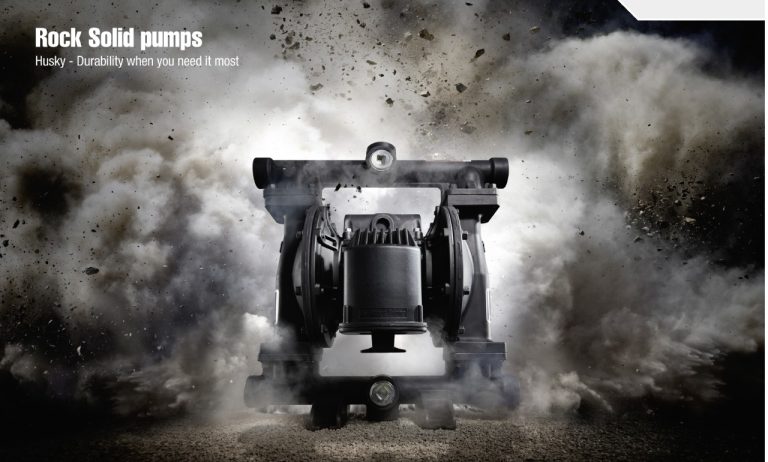
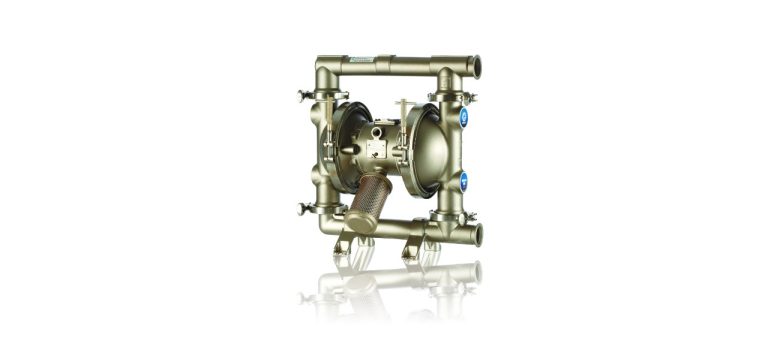
This concept is widely used in pneumatic and hydraulic systems, where the differential pressure can directly influence system efficiency and performance. For example, in a pump, differential pressure is what allows fluid to be moved through pipes and valves.
In addition, the differential pressure is fundamental to the operation of devices such as pressure transmitters e flow meters, which utilize this difference to provide accurate measurements. These devices are essential for monitoring and controlling industrial processes, ensuring that everything works within the desired parameters.
In summary, the differential pressure is a key concept that affects the movement of fluids and the operation of equipment in various industries, and is vital for the efficiency and safety of systems.
2. Importance of Differential Pressure in Pneumatic Systems
A differential pressure plays a crucial role in pneumatic systems, as it is responsible for ensuring the efficient and safe operation of various equipment. In systems where compressed air is used, differential pressure is what allows actuators and valves to operate correctly. When the pressure on one side of an actuator is greater than the other, it generates movement, allowing the system to perform its functions.
In addition, the differential pressure is essential for the flow regulation in pipes. In industrial applications, maintaining an adequate differential pressure is vital to prevent leaks and ensure fluid is transported efficiently. This not only improves system performance but also reduces energy consumption.
Another important point is that the differential pressure helps prevent equipment failures. When pressure is not monitored correctly, there may be a risk of damage to pneumatic components, resulting in unscheduled downtime and additional maintenance costs. Therefore, constant monitoring of differential pressure is a recommended practice to ensure the longevity of systems.
In summary, the differential pressure It is a determining factor in the efficiency and safety of pneumatic systems, directly impacting the operation and maintenance of equipment used in industry.
3. Practical Applications of Differential Pressure
A differential pressure It is widely used in various practical applications, especially in industries that depend on pneumatic and hydraulic systems. One of the most common applications is in pressure transmitters, which measure the pressure difference between two points. These devices are essential for monitoring and controlling processes, ensuring that systems operate within desired parameters.
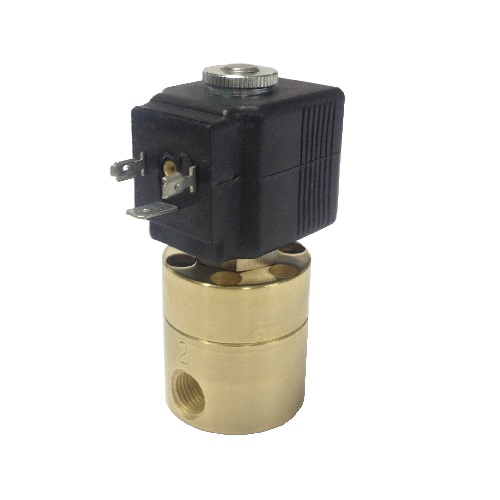
Another important application is in control valves. Differential pressure allows these valves to adjust fluid flow precisely. For example, in a compressed air system, the valve can open or close based on the difference in pressure, thereby regulating the amount of air passing through it. This is crucial to maintaining energy efficiency and system performance.
In addition, the differential pressure is used in industrial filters. The pressure difference between the inlet and outlet of a filter indicates when it needs to be cleaned or changed. This helps maintain fluid quality and system efficiency, preventing damage and unexpected downtime.
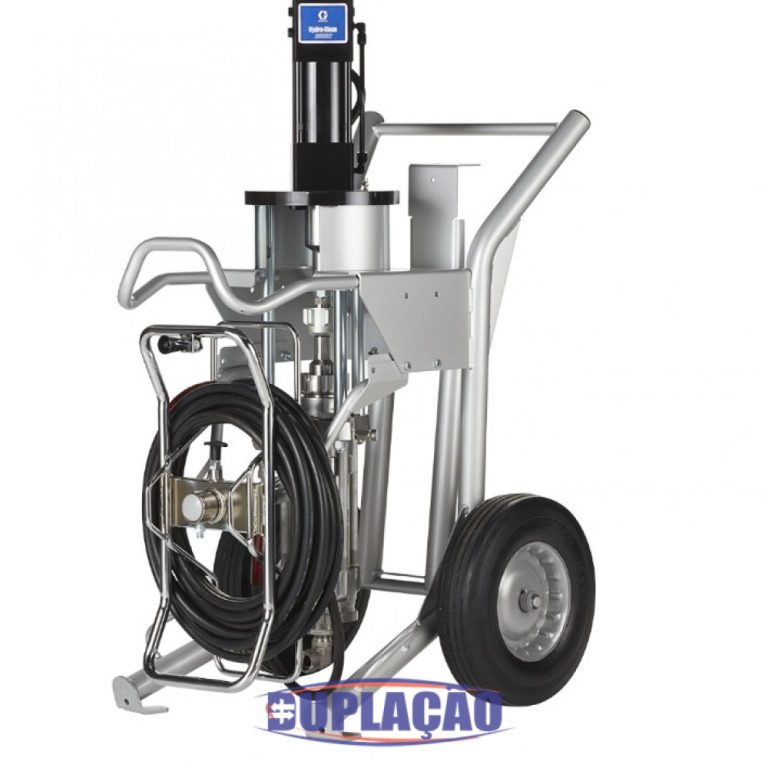
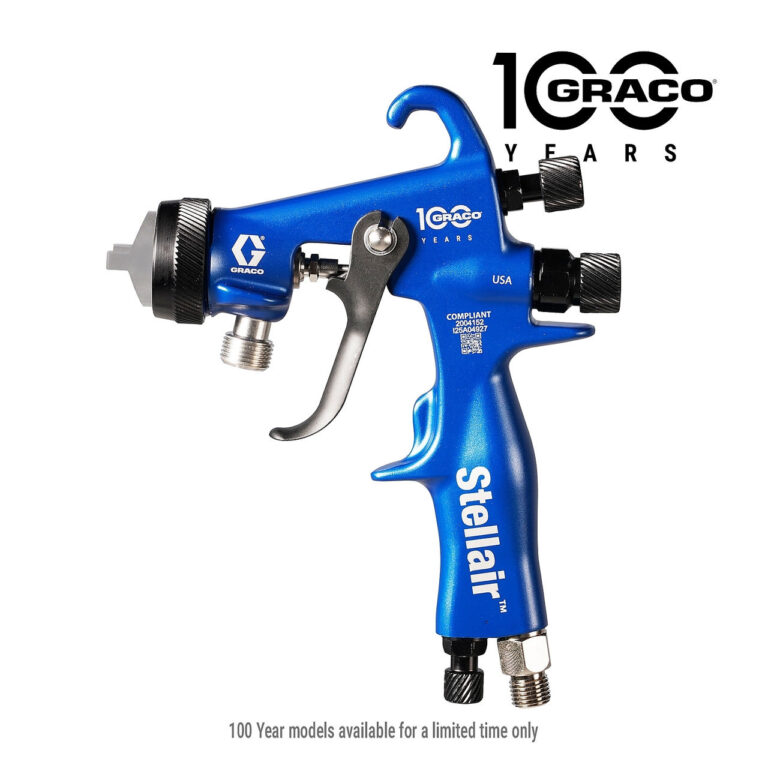
In systems of industrial, differential pressure is essential to ensure uniform application of the material. The pressure difference between the spray nozzle and the atmosphere allows precise control of liquid atomization, resulting in high quality finishes.
These applications demonstrate how differential pressure It is a key concept in several industries, contributing to the efficiency, safety and quality of processes.
4. Measurement and Control of Differential Pressure
A measurement and control of differential pressure These are fundamental aspects to ensure efficiency and safety in pneumatic and hydraulic systems.
To measure differential pressure, devices called differential pressure gauges. These instruments are designed to compare the pressure at two different points in a system, providing an accurate reading of the difference.
Os differential pressure transmitters also play an important role. They convert the pressure difference into an electrical signal that can be monitored and controlled by automated systems. This allows operators to adjust system conditions in real time, ensuring everything functions optimally.
Differential pressure control is essential in applications such as industrial filters e control valves. For example, in a filtration system, differential pressure indicates when a filter is clogged and needs to be cleaned or changed. This helps to avoid system failures and maintain the quality of the final product.
In addition, the automation of processes involving differential pressure can increase operational efficiency. Control systems can be programmed to automatically adjust valves and pumps based on differential pressure readings, minimizing manual intervention and reducing the risk of human error.
In summary, the measurement and control of differential pressure They are essential for the effective functioning of industrial systems, contributing to the safety, efficiency and quality of processes.