The point of failure is a critical concept in pneumatic systems and automation, referring to the moment when a component can no longer operate as expected. Understanding this phenomenon is essential to guarantee efficiency and safety in industrial processes. In this article, we will cover the common causes of failures, their consequences, and best practices to mitigate them.
What is the Failure Point?
O point of failure is a term used to describe the moment when a component of a pneumatic system stops working correctly. This can occur due to several factors, such as wear, design flaws or inadequate operating conditions. When a point of failure is reached, the system may experience interruptions in operation, resulting in loss of efficiency and increased costs.
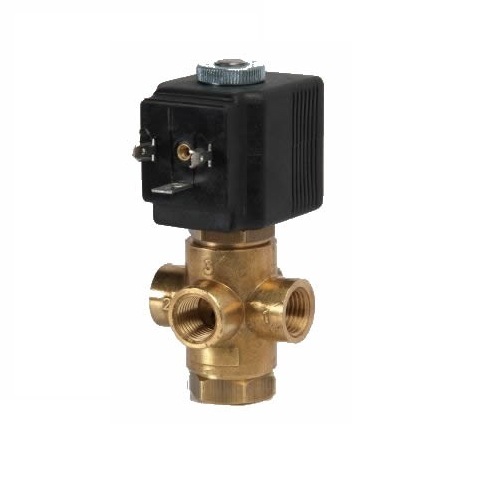
It is important to understand that the point of failure does not just refer to a complete failure of the equipment, but also to situations where system performance is compromised. For example, a valve that does not open completely could be considered a point of failure as this affects airflow and pressure in the system.
Identifying the point of failure is crucial for preventive maintenance and avoiding unexpected production stops. Data analysis and constant monitoring of components can help predict when equipment may reach this critical point.
Common Causes of Failures
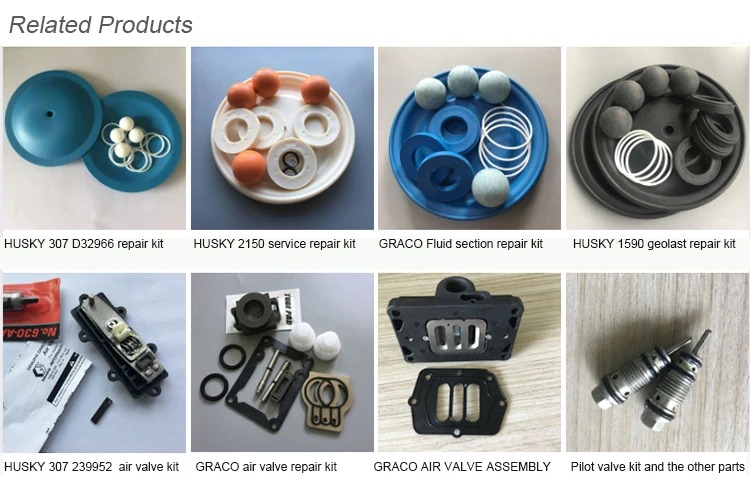
As common causes of failures in pneumatic systems can be varied and often interrelated. One of the main factors is the mechanical wear, which occurs due to the continuous use of the components. Over time, pieces like Valves e actuators may suffer degradation, leading to malfunctions.
Another important factor is the air contamination. The presence of particles, moisture or oil in compressed air can damage internal components, resulting in failure. It is essential to use suitable filters to avoid this type of problem.
A improper installation can also be a significant cause of failures. If components are not installed correctly, leaks or insufficient pressure may occur, compromising system performance. Furthermore, the irregular maintenance can lead to undetected failures, increasing the risk of unexpected downtime.
Finally, the operating conditions Extremes, such as very high or low temperatures, can affect the functioning of the equipment. It is essential to ensure that systems operate within the manufacturer's recommended specifications to avoid failures.
Failure Point Impacts
Os point of failure impacts in pneumatic systems can be significant and varied. When a component reaches this point, the system efficiency is compromised. This may result in a reduced productivity, as the system may not operate at its maximum capacity.
Additionally, the point of failure can lead to unexpected stops in production. These stoppages not only delay the work schedule, but can also generate additional maintenance and repair costs. Downtime is a critical factor that can affect profitability of a company.
Another important impact is the operator safety. When a system fails, there can be a risk of accidents, especially in industrial environments. Equipment that does not function properly can cause injuries to workers, increasing the need for additional safety measures.
Ultimately, the point of failure can affect the Product Quality. If a system is not operating correctly, it can result in defective products, impacting customer satisfaction and the company's reputation in the market.
Prevention and Maintenance
A prevention and maintenance are essential to avoid the point of failure in pneumatic systems. The implementation of a preventive maintenance program can help identify problems before they become critical. This includes regular inspections and performance testing of components.
An important aspect of maintenance is the adequate lubrication of moving parts. Lack of lubrication can lead to accelerated wear and, consequently, failures. It is recommended to follow the manufacturer's guidelines regarding the frequency and type of lubricant to be used.
In addition, the constant monitoring of systems is fundamental. Using sensors to measure pressure, temperature and flow can provide valuable data that helps predict failures. Automation systems can be configured to alert operators to anomalies.
Operator Training
Another important point is the operator training. Ensuring that employees are well trained on how equipment works and best operating practices can significantly reduce the risk of failures. Awareness of warning signs of problems is crucial.
Finally, the scheduled replacement of components that show signs of wear is a recommended practice. This prevents a component from unexpectedly failing and causing production interruptions.