Control points play a crucial role in pneumatic automation, allowing systems to be monitored and regulated effectively. In this article, we will explore the importance of these points. We will also discuss their practical applications and how they can optimize industrial processes.
Definition of control points in pneumatic automation
Definition of control points in pneumatic automation
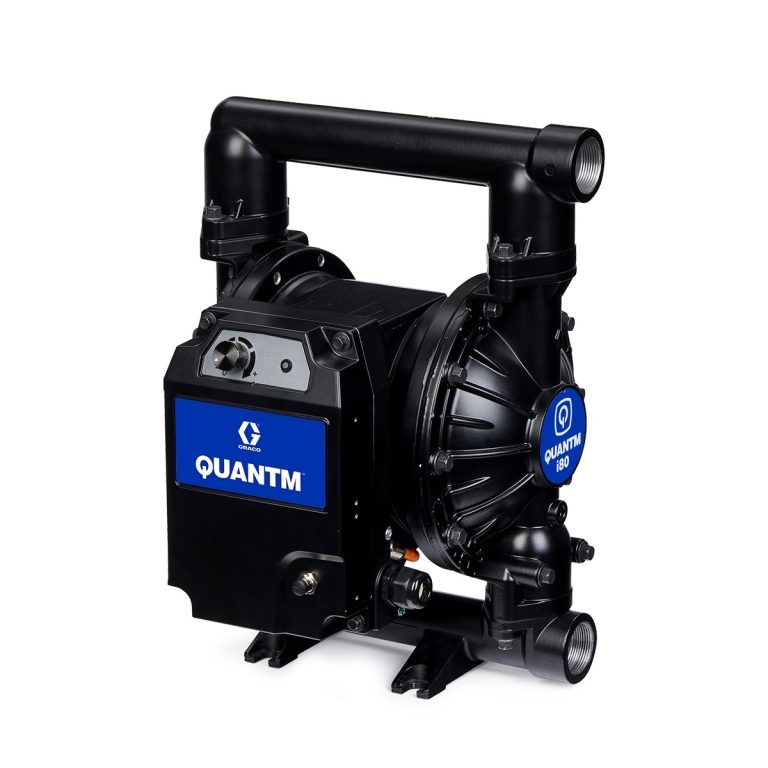
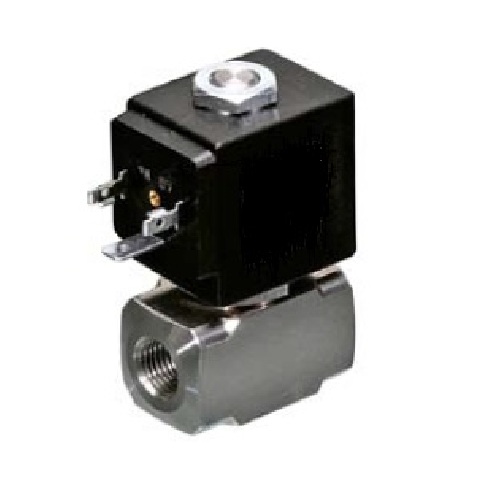
The definition of control points in pneumatic automation refers to strategic locations in a system where it is possible to monitor and regulate the flow of compressed air. These points are essential to ensure that the system operates efficiently and safely. Each control point can include valves, sensors, and actuators that work together to maintain proper pressure and flow.
Importance of control points in industrial processes
The importance of control points in industrial processes cannot be underestimated. They allow early detection of failures, avoiding unexpected production stops. Furthermore, they help to optimize energy consumption, as they ensure that compressed air is used efficiently. With well-defined control points, companies can increase productivity and reduce operational costs.
Practical applications of control points
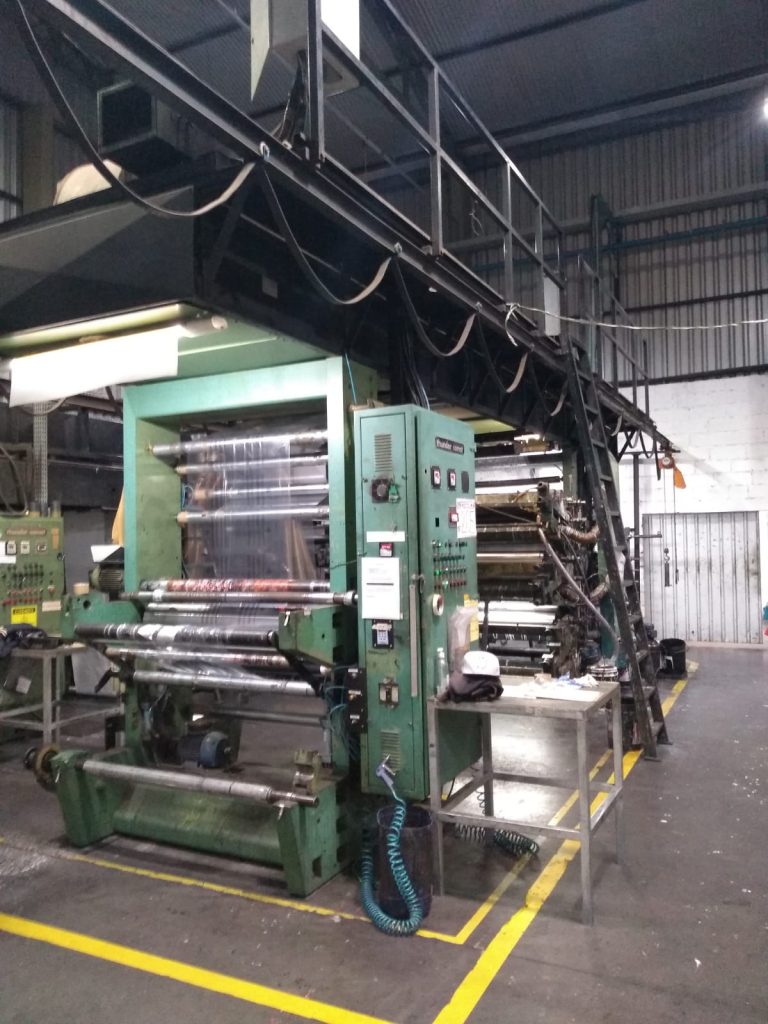
The practical applications of control points are diverse. On assembly lines, for example, they are used to regulate pressure in pneumatic tools, ensuring they function optimally. In paint systems, control points help maintain consistency in paint application, resulting in high-quality finishes. Furthermore, in packaging processes, they ensure that machines operate at the correct pressure, avoiding waste.
How to optimize industrial processes with control points
To optimize industrial processes with control points, it is essential to follow some specific rules. First, it is necessary to perform a detailed analysis of the system to identify critical points. Then, installing pressure and flow sensors can provide real-time data, allowing for immediate adjustments. Regular maintenance of control points is also crucial to ensure their proper functioning. Finally, training the team to understand and operate these points is essential to maximize the benefits of pneumatic automation.
Importance of control points in industrial processes
Importance of control points in industrial processes
The importance of control points in industrial processes is fundamental to ensuring the efficiency and safety of operations. These points allow continuous monitoring of critical variables such as pressure, temperature and air flow. By implementing control points, companies can quickly identify any anomaly in the system, which helps prevent failures and unexpected downtime.
Furthermore, control points are essential for optimizing energy consumption. By regulating the flow of compressed air, it is possible to avoid waste and reduce operating costs. This translates into a more sustainable and economical operation, benefiting both the company and the environment.
Another important aspect is the improvement in the quality of the final product. With well-defined control points, it is possible to ensure that processes meet strict quality standards. For example, on an assembly line, adequate pressure on pneumatic tools ensures that parts are assembled correctly, avoiding rework and waste.
Finally, the implementation of control points contributes to worker safety. By monitoring operating conditions, it is possible to detect risk situations and act quickly to mitigate them. This creates a safer and more reliable work environment, essential for team productivity and satisfaction.
Practical applications of control points
Practical applications of control points
The practical applications of control points in pneumatic automation are diverse and directly impact the efficiency of industrial processes. On assembly lines, for example, control points are used to regulate pressure in pneumatic tools, ensuring that they operate within ideal parameters. This results in consistent performance and final product quality.
In paint systems, control points play a crucial role in monitoring air pressure and paint flow. This ensures that the paint application is uniform and of high quality, minimizing waste and rework. Precision in application is vital to meet the standards required by the market, especially in sectors such as automotive and electronics.
Another important application is in packaging systems. Here, control points help regulate pressure in machines that seal and package products. With adequate control, it is possible to avoid packaging failures, ensuring that the products reach the end consumer in perfect condition.
Furthermore, in pneumatic transport processes, control points are used to monitor and adjust the air pressure that moves materials. This is essential to ensure that products are transported safely and efficiently, preventing damage and loss.
Finally, implementing control points in automation systems also allows for real-time data collection. This data can be analyzed to identify trends and optimize processes, contributing to a more efficient and competitive operation in the market.
How to optimize industrial processes with control points
How to optimize industrial processes with control points
To optimize industrial processes with control points, it is essential to follow some specific guidelines. First, it is necessary to carry out a detailed analysis of the existing pneumatic system. This involves identifying the critical points where pressure and airflow are most relevant. Once identified, installing pressure and flow sensors can provide real-time data, allowing for immediate and accurate adjustments.
Another important strategy is preventative maintenance. Performing regular checkpoint inspections helps ensure that all components are working properly. This prevents unexpected failures and extends the useful life of the equipment. Maintenance must include checking valves, actuators and connections, ensuring that there are no leaks or obstructions.
Team training is also essential. Training operators to understand how control points work and how to monitor critical variables is essential to maximizing efficiency. A well-trained team can quickly identify problems and make informed decisions to optimize the process.
Additionally, data collection and analysis are crucial. Using automation systems that integrate data from control points allows for deeper analysis. With this information, it is possible to identify trends, predict failures and implement continuous improvements. This not only increases efficiency, but also contributes to cost reduction and improves the quality of the final product.