Pneumatic operation is a technology widely used in industrial automation, taking advantage of compressed air energy to move and control equipment. In this article, we will explore the principles of pneumatic operation, its practical applications and the benefits it can bring to the efficiency of industrial processes.
1. What is pneumatic operation?
A pneumatic operation It is a system that uses compressed air to perform mechanical work. This type of operation is widely used in several industries due to its efficiency and versatility. The basic principle of pneumatic operation involves conversion of compressed air energy in motion. This is done through components like actuatorsthat transform the air pressure into linear or rotary motion.
Pneumatic systems are known for their speed e precision. They can be used to trigger machines, control valves and even in assembly processes. In addition, pneumatic operation is considered safe because compressed air is not flammable and has no risk of static electricity.
One of the main benefits of pneumatic operation is its ease of maintenance. Pneumatic systems usually have fewer moving parts than hydraulic systems, which reduces wear and need for frequent repairs. This results in a more reliable operation and with fewer unchecked stops.
In short, pneumatic operation is an essential technology in industrial automation, providing efficiency, safety and ease of maintenance in various processes.
2. Main components of pneumatic operation
The systems of pneumatic operation They are composed of various essential components that work together to ensure efficient and effective operation. Among the main components, stand out:
- Compressors: They are responsible for compressing the air and storing it in a reservoir. The compressor is the heart of the pneumatic system as it provides the pressure required for the operation of the other components.
- Reservoirs: Store the compressed air generated by the compressor. They help maintain constant pressure in the system and provide air when necessary, avoiding pressure fluctuations.
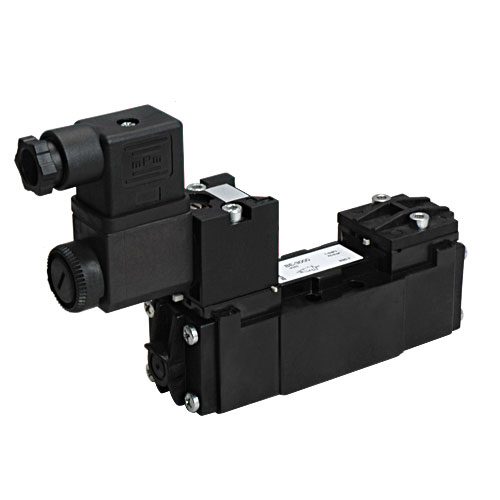
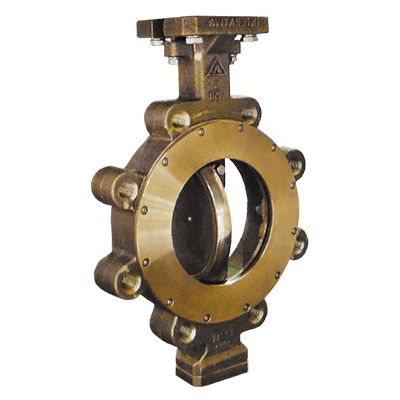
- Valves: Control the air flow within the system. There are different types of valves, such as steering control, which direct air to actuators, and relief, which regulate pressure.
- Actuators: Transform the energy of compressed air into motion. Actors can be linear, such as cylinders, or rotating, such as pneumatic engines. They are critical to doing the desired mechanical work.
- Filters: Remove impurities and moisture from compressed air, protecting the components of the system and ensuring proper operation. Air quality is crucial for pneumatic system efficiency.
- Pressure regulators: Keep air pressure at desired levels, adjusting the output pressure as needed. This is important to ensure that actuators work efficiently.
These components work together to create an efficient pneumatic system that can be used in various industrial applications, from process automation to machine control.
3. Advantages of pneumatic operation
A pneumatic operation It offers several advantages that make it a popular choice in industrial automation systems. Among the main benefits, we can highlight:
- Security: Compressed air use reduces the risk of fire and explosion, as air is not flammable. This makes pneumatic systems safer in industrial environments.
- Reduced maintenance: Pneumatic systems have fewer moving parts compared to hydraulic systems. This results in lower wear and, consequently, less need for maintenance, which can reduce operating costs.
- Speed of operation: Pneumatic actuators respond quickly, allowing shorter operating cycles. This increases the efficiency of production processes and improves general productivity.
- Flexibility: Pneumatic systems can be easily adapted and reconfigured for different applications. This is especially useful in production environments that require frequent changes.
- Cleaning: Compressed air does not generate waste, which is an advantage in applications where contamination should be avoided, as in the food and pharmaceutical industry.
- Cost-benefit: Although the initial investment in a pneumatic system may be significant, the maintenance economy and long -term operational efficiency make this technology an economic option.
These advantages make pneumatic operation an effective and reliable solution to various industrial applications, contributing to process optimization and cost reduction.
4. Applications of pneumatic operation in the industry
A pneumatic operation It is widely used in several industries due to its efficiency and versatility. Applications include:
- Process Automation: Pneumatic systems are used to automate production lines, allowing machines to perform repetitive tasks accurately and quickly. This increases productivity and reduces human errors.
- Valve control: In chemical and petrochemical industries, pneumatic valves control the flow of liquids and gases. They ensure that processes occur safely and efficiently, avoiding leaks and contamination.
- Component assembly: Pneumatic operation is used in assembly processes, where pneumatic tools, such as impact keys, are used to fix parts with proper torque, ensuring the quality of the final product.
- Material transportation: Pneumatic systems can be used to transport bulk materials such as grains and posts through pipes. This is common in food and pharmaceutical industries, where hygiene is critical.
- Packaging: In the packaging industry, pneumatic operation is used to trigger seal machines, cut and pack products. This improves the efficiency and speed of the packaging process.
- Tests and Inspections: Pneumatic equipment is used in pressure and leakage tests, ensuring that the products meet quality standards before being sent to the market.
These applications demonstrate how pneumatic operation is essential for the modernization and efficiency of industrial processes, contributing to the competitiveness of companies in the market.