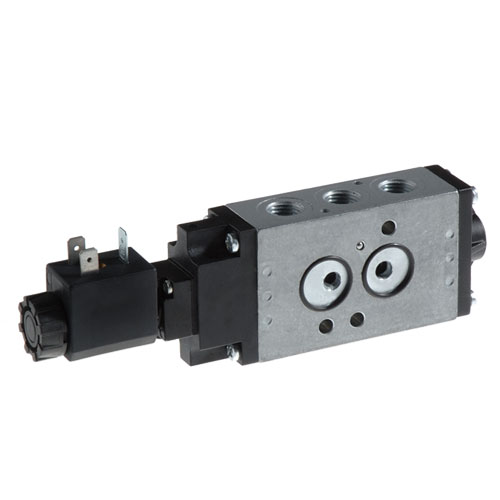
The calibration operation is a fundamental process to ensure the accuracy and reliability of measuring instruments used in various industrial applications. This procedure ensures that equipment is functioning within desired specifications, minimizing errors and increasing operational efficiency.
What is the calibration operation?
A calibration operation is a technical procedure that aims to ensure that measuring instruments are functioning in accordance with established specifications. This process is essential in several industries, as it ensures the accuracy of measurements and the reliability of the data obtained. During calibration, instruments are compared to reference standards, which are known for their accuracy. If there are deviations, adjustments are made to correct these discrepancies.
O calibration process involves several steps. First, the instrument to be calibrated is isolated and prepared for testing. It is then subjected to measurements under controlled conditions. The results obtained are compared with reference values. If there is a difference, adjustments are made. It is important to document the entire process, including measurement results and adjustments made, to ensure traceability and compliance with technical standards.
Carry out the regular calibration of instruments brings several benefits. Firstly, it increases measurement accuracy, which is crucial for the quality of products and services. Furthermore, calibration helps identify equipment problems before they become critical, avoiding unexpected production stops. Another benefit is compliance with standards and regulations, which often require periodic calibration of the instruments used.
A calibration It should be performed at regular intervals, but the frequency may vary depending on several factors. It is recommended to calibrate instruments after a period of intense use, after maintenance or repairs, and whenever there are significant changes in operating conditions. Additionally, it is important to follow the manufacturer's recommendations and applicable industry standards to ensure the continued accuracy and reliability of the instruments.
Calibration process
O calibration process It is a sequence of steps that ensures the accuracy of measuring instruments. Firstly, the instrument must be isolated and prepared for the test. This involves cleaning and checking that there is no visible damage.
The instrument is then subjected to measurements under controlled conditions, where reference standards that have a known accuracy are used.
During calibration, measurements taken by the instrument are compared with reference values. If there is a discrepancy, adjustments are made to correct the error. These adjustments may include modifying internal settings or replacing components. It is crucial that each step of the process is documented, including measurement results and adjustments made, to ensure traceability.
After calibration, the instrument must undergo a final test to confirm that measurements are within the desired specifications. It is also important to carry out a periodic check to ensure that the instrument maintains its accuracy over time. The calibration process must be carried out by qualified professionals, who use appropriate equipment and follow recognized technical standards.
Benefits of Regular Calibration
Carry out the regular calibration of measuring instruments brings a number of significant benefits to industrial operations. Firstly, calibration ensures that instruments are always accurate, which is essential for the quality of the final product. When instruments measure correctly, production becomes more efficient and waste is reduced.
Another important benefit is the early identification of problems. Regular calibration allows you to detect equipment failures or wear before they cause unexpected production stops. This helps avoid high costs for emergency repairs and production line interruptions.
Furthermore, calibration contributes to the compliance with standards and regulations. Many industries are required to follow specific standards that require periodic calibration of instruments. Maintaining compliance not only avoids penalties, but also strengthens the company's reputation in the market.
Finally, regular calibration increases the useful life of equipment. When instruments are kept in good condition, they tend to last longer, resulting in less investment in new equipment. This translates into long-term savings and a more favorable return on investment.
When to perform calibration?
A calibration It should be performed at regular intervals, but the frequency may vary depending on several factors. It is recommended to calibrate the instruments after a period of intense use, as this may affect the accuracy of the measurements. Furthermore, calibration must be done after maintenance or repairs in equipment, as these procedures can change instrument configurations and performance.
Another factor to consider is the change in operating conditions. If an instrument is used in a different environment than usual, such as variations in temperature or humidity, calibration must be performed to ensure that it continues to measure accurately. Furthermore, it is important to follow the recommendations of the manufacturer and applicable industry standards, which often specify the ideal frequency for calibration.
Finally, calibration must be performed whenever there is suspected error in measurements. If the results obtained do not appear coherent or there is a significant discrepancy from known standards, it is crucial to perform calibration immediately. This helps to avoid major problems and ensures the reliability of the data collected.