Automation logic is a fundamental concept in industrial automation, allowing efficient control of machines and processes. In this article, we will explore the basic principles of automation logic, its applications across different industries, and how it can optimize operations, reducing costs and increasing productivity.
1. What is Automation Logic?
The automation logic refers to the set of principles and techniques that allow the control and automation of industrial processes. It is essential for the modernization of operations, as it allows tasks to be carried out more efficiently and accurately.
In practical terms, automation logic uses devices such as sensors, actuators and controllers to monitor and manage systems.
Os sensors They are responsible for collecting data from the environment, such as temperature, pressure and liquid levels. This data is sent to a controller, which processes information and makes decisions based on predefined rules. Finally, the actuators perform the necessary actions, such as opening or closing valves, turning engines on or off, among others.
The importance of automation logic in the industrial context is evident. It not only increases operational efficiency, but also reduces the possibility of human errors, ensuring greater safety and reliability in processes. Furthermore, automation allows the integration of different systems, facilitating the exchange of information and coordination between different areas of production.
Therefore, automation logic is a crucial component for companies looking to optimize their operations and remain competitive in the current market.
Definition and importance of automation logic in the industrial context.
The automation logic is a set of techniques and principles that allow efficient control of industrial processes. It is fundamental for the modernization and optimization of operations in factories and industries.
This logic uses sensors to collect environmental data such as temperature, pressure and liquid levels. This data is sent to a controller, which processes information and makes decisions based on predefined rules. You actuators they then perform the necessary actions, such as opening or closing valves and turning machines on or off.
The importance of automation logic in the industrial context is clear. It not only increases the operational efficiency, but it also reduces the possibility of human errors, ensuring greater safety and reliability in processes. Furthermore, automation allows the integration of different systems, facilitating the exchange of information and coordination between different areas of production.
With automation logic, industries can monitor and control their operations in real time, resulting in production that is more agile and adaptable to market demands. Adopting this logic is a crucial step for companies seeking to remain competitive and innovative in a constantly evolving industrial environment.
2. Basic Principles of Automation Logic
The automation logic is based on three main components: sensors, controllers e actuators. Each of these elements plays a crucial role in the automation of industrial processes.
Os sensors These are devices that capture information from the environment, such as temperature, pressure, humidity and other relevant parameters. They convert this information into signals that can be interpreted by a controller. For example, a temperature sensor can detect changes in the temperature of an oven and send this information to the control system.
Os controllers They are the brain of the automation system. They receive data from sensors and process this information based on a set of rules or programmed logic. A controller can be a PLC (Programmable Logic Controller) or a software-based control system. It decides what actions should be taken based on the conditions detected by the sensors.
Os actuators are responsible for carrying out the actions determined by the controller. They can be motors, valves, or other devices that perform physical tasks, such as opening or closing a valve, starting an engine, or adjusting the position of a robotic arm.
These three components work together to create an efficient automation system. Communication between them is essential to ensure that operations are carried out accurately and in real time. With the correct implementation of these principles, industries can achieve a high level of automation, resulting in faster, safer and more reliable processes.
Exploration of the fundamental principles that govern automation logic, including sensors, actuators and controllers.
The automation logic is based on fundamental principles that guarantee the efficiency and precision of industrial processes. The three main components of this logic are the sensors, os controllers and the actuators.
Os sensors play a crucial role in collecting data from the environment. They can measure variables such as temperature, pressure, flow and level of liquids. For example, a pressure sensor can monitor the pressure in a piping system and send this information to the controller. This data collection is essential for the system to react appropriately to environmental conditions.
Os controllers are responsible for processing information received from sensors. They use algorithms and programmed logic to make decisions. A controller can be a PLC (Programmable Logic Controller) or a software-based control system. For example, if a temperature sensor detects that an oven's temperature is above a safe limit, the controller may decide to shut down the oven to prevent damage.
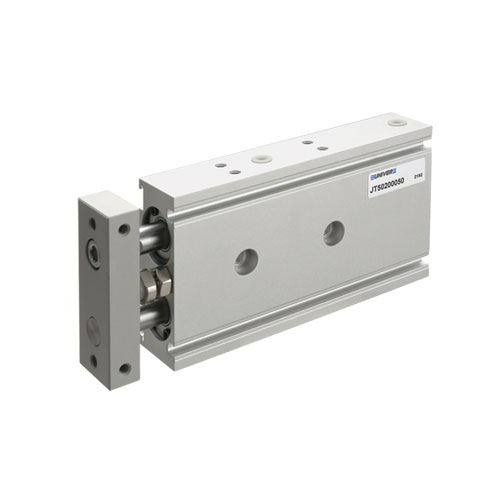
Os actuators are the devices that perform the actions determined by the controller. They can be motors, valves or pneumatic cylinders. For example, an actuator can open a valve to allow a liquid to pass through or move a robotic arm to perform a specific task.
These three components work together to create an effective automation system. Communication between sensors, controllers and actuators is essential to ensure that operations are carried out accurately and in real time. The correct implementation of these principles allows industries to increase their productivity and improve product quality.
3. Practical Applications of Automation Logic
The automation logic It is widely applied in various sectors, bringing efficiency and precision to processes that were previously manual.
In the sector of manufacture, automation is used to control production lines. Automated machines can perform repetitive tasks such as assembly, packaging and quality inspection with high speed and accuracy. For example, industrial robots are programmed to assemble car parts, ensuring that each component is placed correctly.
No transport, automation logic is applied in traffic control and logistics systems. Sensors and cameras monitor the flow of vehicles, allowing traffic lights and traffic signals to be adjusted in real time to optimize traffic. Additionally, automated warehouse management systems use robots to move products, reducing delivery time and increasing operational efficiency.
Em services, automation is used in call centers and customer service. Automated response systems can direct calls to the correct departments, while chatbots offer instant support to customers, answering frequently asked questions and resolving simple problems. This frees up human agents to deal with more complex issues.
These practical applications demonstrate how automation logic can transform entire sectors, increasing productivity and improving the quality of services provided. The adoption of these technologies is an important step for companies that want to remain competitive in a constantly evolving market.
Examples of how automation logic is applied in different sectors, such as manufacturing, transport and services.
The automation logic It is applied in several sectors, bringing significant improvements in efficiency and productivity.
In the sector of manufacture, automation is used to optimize production lines. For example, electronics factories use robots to assemble circuits, where each robot is programmed to perform specific tasks, such as soldering and quality testing. This not only speeds up the process but also reduces the margin for human error.
No transport, automation systems are employed to manage urban traffic. Sensors installed on streets collect data on the flow of vehicles and send this information to a central system. This system can adjust traffic lights in real time, improving traffic flow and reducing congestion. Additionally, logistics companies use automation software to optimize delivery routes, saving time and fuel.
Em services, automation logic is fundamental in call centers. Automated systems can answer calls and direct customers to the correct department, while chatbots offer instant support by answering frequently asked questions. This improves the customer experience and frees up agents to resolve more complex issues.
These examples demonstrate how automation logic can be effectively applied across different industries, resulting in faster, safer, and more efficient operations. The adoption of these technologies is essential for companies that want to stand out in a competitive market.
4. Benefits of Implementing Automation Logic
The implementation of automation logic brings several significant benefits to industries and companies. One of the main benefits is the increased efficiency. With automated systems, tasks are carried out faster and more accurately, reducing production time and increasing service capacity. For example, on an assembly line, robots can work continuously without breaks, resulting in greater productivity.
Another important benefit is the error reduction. Automation minimizes human intervention, which is one of the main sources of error in industrial processes. Sensors and controllers ensure that operations are performed according to specifications, resulting in higher quality products.
A process optimization it is also a direct result of automation. With real-time data collection, companies can monitor the performance of their operations and identify areas that require improvement. This allows for quick and effective adjustments, increasing overall system efficiency.
Furthermore, automation contributes to safety in the work environment. Automated systems can perform dangerous tasks, such as handling toxic or heavy materials, reducing the risk of accidents.
Ultimately, implementing automation logic can result in cost reduction in the long term. Although the initial investment in automated technology may be high, the savings generated by more efficient processes and fewer errors offset this cost. Thus, automation logic not only improves current operations, but also prepares companies for a more competitive future.
Analysis of the main benefits, such as increased efficiency, reduced errors and process optimization.
The implementation of automation logic offers a series of benefits that directly impact the operation of companies. One of the main ones is the increased efficiency. With automation, tasks are performed faster and more consistently. For example, in a production line, automated machines can operate continuously, without the need for breaks, resulting in a significant increase in production capacity.
Another crucial benefit is the error reduction. Automation minimizes human intervention, which is one of the main sources of process failures. Sensors and controllers ensure operations are performed according to specifications, resulting in higher quality products and less rework.
A process optimization it is a direct result of automation logic. With real-time data collection, companies can monitor the performance of their operations and identify areas that require improvement. This allows for quick and effective adjustments, increasing overall system efficiency.
Furthermore, automation contributes to safety in the work environment. Automated systems can perform dangerous tasks, such as handling heavy or toxic materials, reducing the risk of accidents and improving working conditions.
Ultimately, implementing automation logic can result in cost reduction in the long term. Although the initial investment in automated technology may be high, the savings generated by more efficient processes and fewer errors offset this cost. Thus, automation logic not only improves current operations, but also prepares companies for a more competitive future.