Temperature limitation is a fundamental concept in several industries, especially in automation and process control. This article explores the importance of temperature limiting, its practical applications and the benefits it brings to the operational efficiency and safety of equipment.
What is Temperature Limiting?
A temperature limitation refers to the control and monitoring of temperatures in industrial systems and equipment. This concept is essential to ensure that processes operate within safe and efficient ranges.
When the temperature of an equipment or system exceeds established limits, there can be significant risks, such as mechanical failures, damage to components and even accidents. Therefore, temperature limiting is a vital practice in maintaining the integrity and safety of systems.
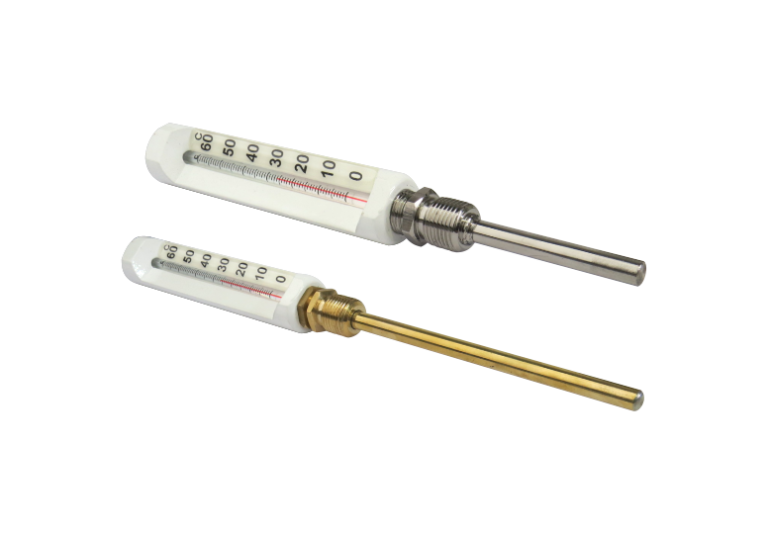
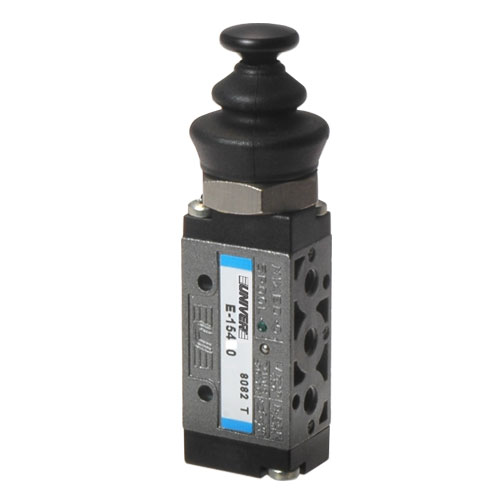
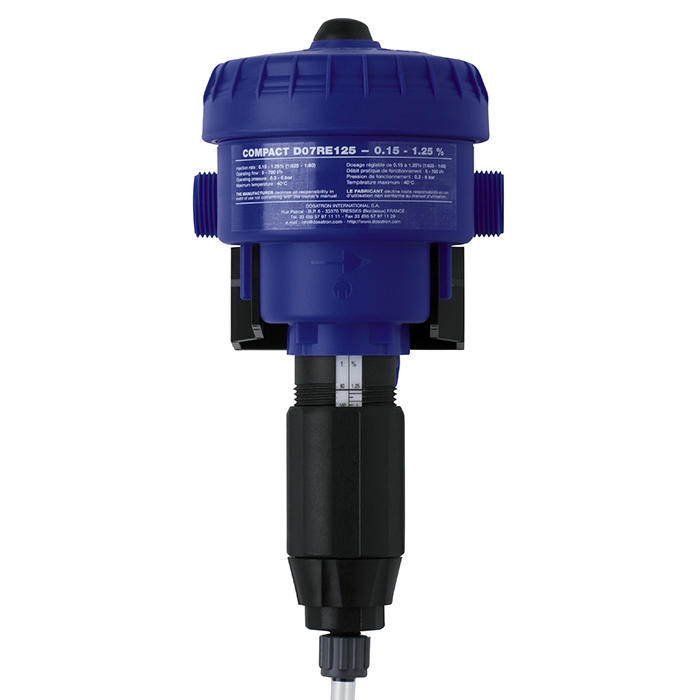
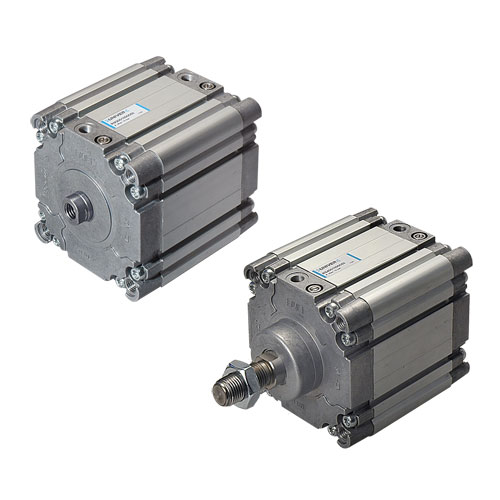
Temperature limiting systems can include sensors, valves, and actuators that work together to monitor and regulate temperature. When a sensor detects that the temperature is approaching the limit, it can trigger an actuator to adjust the flow of a refrigerant or shut down equipment to prevent overheating. This automation is crucial in industries such as petrochemicals, pharmaceuticals and food, where temperature control is fundamental to product quality and operational safety.
Furthermore, temperature limitation can be applied in industrial painting processes, where the temperature of the environment and material must be controlled to ensure adequate adhesion and drying. In summary, temperature limitation is a management strategy that aims to protect equipment and optimize the efficiency of industrial processes.
Importance of Temperature Limitation
A importance of temperature limitation cannot be underestimated in industrial environments. Maintaining temperature within safe limits is crucial to security e efficiency of the processes. When the temperature exceeds limits, material degradation, equipment failure and even fire risks can occur. This can result in unplanned downtime, which generates high costs and lost productivity.
Furthermore, temperature limitation is vital for Product Quality. In industries such as food and pharmaceuticals, inadequate temperatures can compromise the integrity of products, leading to waste and problems with compliance with regulatory standards. Therefore, ensuring that systems operate within specified temperature ranges is essential to maintaining the quality and safety of final products.
Another important point is that temperature limitation contributes to the useful life of equipment. Equipment that operates at appropriate temperatures tends to perform better and last longer. This means less maintenance and replacements, resulting in long-term savings. In summary, temperature limitation is an essential practice to ensure safety, quality and operational efficiency in various industrial sectors.
Practical Applications of Temperature Limitation
A temperature limitation has several Practical Applications in industrial sectors, being essential to guarantee the safety and efficiency of processes. A clear example is in the industry alimony, where temperature control is crucial for product conservation. Equipment such as cold rooms and refrigeration systems use temperature limitation to keep food in ideal conditions, preventing the proliferation of bacteria and ensuring the quality of the final product.
Na pharmaceutical, temperature limitation is equally important. Medicines and vaccines often require specific storage conditions. Temperature monitoring systems are implemented to ensure that products remain within recommended ranges, preventing loss of efficacy and ensuring patient safety.
Another example is in industrial automation, where temperature limitation is used in manufacturing processes. Machines and equipment, such as furnaces and boilers, need to operate at controlled temperatures to prevent damage and ensure energy efficiency. Temperature sensors and actuators are employed to automatically adjust operating conditions, optimizing performance and reducing energy consumption.
Furthermore, temperature limitation is applied in industrial. The temperature of the environment and materials must be monitored to ensure adequate paint adhesion and correct drying. This is essential for the quality of the finish and the durability of the final product. In short, the practical applications of temperature limitation are vast and essential for the safe and efficient operation of various industries.
Solutions for Implementing Temperature Limitation
To ensure the temperature limitation effective in industrial systems, various solutions can be implemented. The first of these involves the use of Temperature Sensors. These devices are essential for continuously monitoring the thermal conditions of equipment and processes. Modern sensors can provide real-time data, allowing operators to make quick decisions to prevent overheating.
Another important solution is the use of actuators e control valves. These components work together with sensors to regulate the flow of refrigerants or heaters. When a sensor detects that the temperature is approaching the limit, the actuator can automatically adjust the valve position, ensuring that the temperature remains within the safe range.
In addition, the implementation of automation systems is an effective strategy. Automated control systems can integrate sensors, actuators and monitoring software to manage temperature efficiently. This not only improves control accuracy, but also reduces the need for manual intervention, increasing safety and operational efficiency.
Finally, carrying out preventive maintenance is crucial. Equipment that is regularly inspected and maintained is less likely to fail due to temperature issues. Maintenance should include checking sensors, actuators and cooling systems, ensuring that all components are working properly.