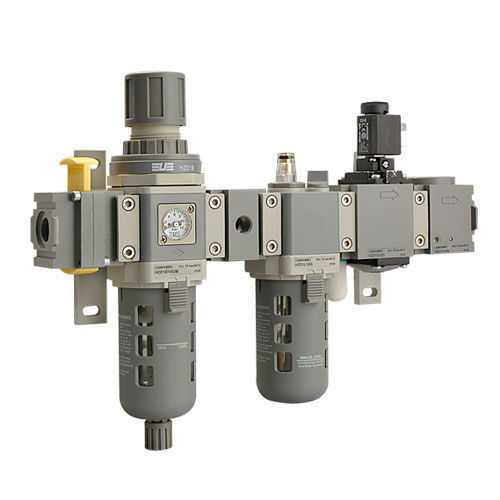
Pneumatic tool kits are essential for professionals seeking efficiency and performance in their activities. With a variety of tools that use compressed air, these kits offer power and versatility, making them indispensable in sectors such as construction, automotive and industrial. In this article, we will explore the main components of a pneumatic tool kit, their applications, and the benefits they provide.
What is a Pneumatic Tool Kit?
One pneumatic tool kit is a set of tools that uses compressed air as an energy source to perform various tasks. These tools are widely used in industries, workshops and even in DIY projects.
The operation of these tools is based on air compression, which is stored in a reservoir and released to activate the tools' internal mechanisms.
Pneumatic tools are known for their efficiency e power. They can perform jobs that require strength and precision, such as screwing, drilling, sanding and painting. A typical kit may include tools such as impact wrenches, pneumatic drills, sanders e paint guns.
Additionally, air tool kits are designed to be lightweight and easy to handle, which reduces operator fatigue during long periods of work. THE versatility These tools allow them to be used in a wide range of applications, from assembling parts in factories to vehicle maintenance.
In short, a pneumatic tool kit is a practical and effective solution for those looking to increase productivity and quality of work, taking advantage of the power of compressed air to carry out tasks more easily and quickly.
Key Tools in a Pneumatic Kit
One pneumatic tool kit It is made up of several tools that use compressed air to perform specific tasks. Among the main tools that you can find in a pneumatic kit, the following stand out:
- Impact Wrench: Ideal for tightening or loosening screws and nuts quickly and efficiently. The impact wrench uses an impact mechanism that provides high torque, facilitating assembly and maintenance work.
- Pneumatic Drill: Used to make holes in different materials, such as wood, metal and plastic. The pneumatic drill is lightweight and offers high speed, allowing precise and fast drilling.
- Pneumatic Sander: Perfect for finishing surfaces, the pneumatic sander provides a smooth and uniform finish. It is used in painting and restoration work, where the quality of the finish is essential.
- Spray gun: Tool that allows the uniform application of paint on surfaces. The pneumatic spray gun is efficient and reduces working time, being widely used in industries and workshops.
- Pneumatic trowel: Used to smooth and level surfaces, the pneumatic trowel is an essential tool in construction and renovation work.
These tools are designed to be lightweight and easy to handle, which helps reduce operator fatigue. Additionally, the use of compressed air allows these tools to operate continuously, increasing productivity compared to power tools.
Advantages of Using Pneumatic Tools
As pneumatic tools offer several advantages compared to electric and manual tools. Below are some of the key advantages that make these tools a popular choice in many industries:
- Greater Power: Pneumatic tools generally have more power than their electric counterparts. This is due to the fact that compressed air can generate high torque, allowing tools to perform heavier tasks with ease.
- Durability: Pneumatic tools tend to have a longer lifespan. As they do not have electric motors, they are less susceptible to overheating and wear, resulting in less breakdowns and maintenance.
- Lightness: Many air tools are designed to be lightweight, which makes them easier to handle and reduces operator fatigue during long periods of use. This is especially important in work environments where ergonomics are a concern.
- Lower Operating Cost: The cost of operating pneumatic tools is generally lower as compressed air can be generated efficiently and economically. Furthermore, maintenance is simpler and less expensive.
- Versatility: A pneumatic tool kit can include a variety of tools for different applications, from assembly to painting. This allows users to perform a wide range of tasks with a single set of tools.
These advantages make pneumatic tools an ideal choice for professionals looking for efficiency, durability and performance in their daily activities.
How to Choose the Ideal Pneumatic Tool Kit
Choose the pneumatic tool kit ideal can be a challenging task, but some considerations can make this process easier. Here are the main factors to take into account:
- Identify your Needs: First of all, it is important to understand what tasks you intend to perform with the kit. Whether you need tools for assembly, repair or painting will influence your choice.
- Check Power: The power of the tools is a crucial factor. Tools with higher torque are more suitable for heavy work. Check the specifications of each tool to ensure they meet your needs.
- Consider Quality: Choose recognized and trusted brands, such as Graco Inc. e Pneumax. The quality of tools directly impacts durability and performance.
- Check Ergonomics: Lightweight, ergonomically designed tools are more comfortable to use, especially for prolonged work. This helps reduce fatigue and increases efficiency.
- Evaluate the Cost-Benefit: Compare prices and features of different kits. Sometimes investing a little more in a quality kit can result in long-term savings due to durability and less maintenance.
- Accessories and Replacement Parts: Check that the kit includes essential accessories and that replacement parts are easily available. This is important to ensure you can keep your tools in good condition.
By following these guidelines, you will be able to choose a pneumatic tool kit that meets your needs and offers good performance in your activities.