K-noise is an essential metric for evaluating the noise level in systems, especially in industrial and automation environments. Understanding this measure is crucial to ensuring operational efficiency and safety. In this article, we will explore the concept of K-noise, its importance, and best practices for monitoring and reducing noise in systems.
What is K-noise? – Definition and explanation of the concept of K-noise and its relevance in systems.
K-noise is a measure that quantifies the noise level in systems, especially in industrial environments. This metric is essential for understanding how noise can affect the performance of machines and equipment. K-noise is expressed in decibels (dB) and considers both the intensity of the sound and the frequency of the sound waves. In pneumatic systems, for example, K-noise can be influenced by factors such as air pressure and flow speed. The relevance of K-noise is due to the need to maintain a safe and efficient working environment, minimizing the risk of hearing damage to operators and ensuring the longevity of equipment.
The noise level in systems is crucial for the performance and a security operational. Excessive noise may indicate mechanical problems, such as wear or component failure. Furthermore, an environment with a high level of noise can lead to worker fatigue, increasing the risk of accidents. Continued exposure to high noise levels can result in hearing loss and other health problems. Therefore, monitoring and controlling the noise level is essential to ensure process efficiency and employee protection.
K-noise measurement can be performed using sound level meters, which are devices designed to capture and quantify sound in decibels. There are different types of sound level meters, including class 1 and class 2, which vary in accuracy and application. Furthermore, it is important to consider the frequency noise, as different machines can generate sounds in different ranges. The measurement must be made at different points in the system and under various operating conditions to obtain an accurate assessment of K-noise.
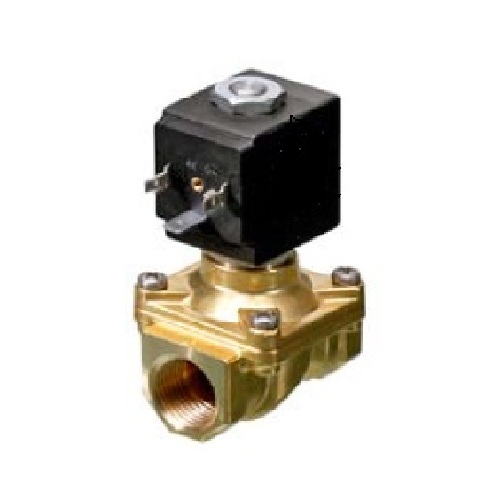
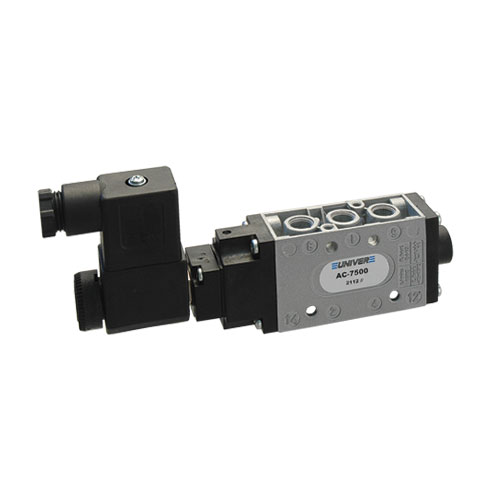
To reduce K-noise, several strategies can be implemented. The first is the use of sound insulation, which involves installing sound barriers or absorbent materials around machines. Another technique is regular equipment maintenance, which helps identify and correct problems that can generate excessive noise. Furthermore, choosing components with lower noise emissions, such as silent valves and actuators, can significantly contribute to reducing K-noise. Finally, training operators on safe and efficient work practices is also critical to minimizing the impact of noise in the work environment.
Importance of Noise Level in Systems – Discussion on how the noise level affects the performance and safety of systems.
The importance of noise level in systems cannot be underestimated. Excessive noise can directly affect the performance of machines and security of operators.
When the noise level exceeds acceptable limits, it may indicate mechanical problems, such as component wear or imminent failure. Furthermore, environments with high noise levels can lead to fatigue of workers, resulting in decreased productivity and increased risk of accidents.
Prolonged exposure to intense noise can cause permanent hearing damage, which makes constant monitoring of noise levels essential. Therefore, keeping noise levels under control is vital to ensure operational efficiency and employee health.
How to Measure K-noise – Methods and tools for measuring the noise level in different systems.
Measure the K-noise is essential to understanding the impact of noise on systems. For this, we use sound level meters, which are instruments designed to measure sound intensity in decibels (dB).
There are different types of sound level meters, such as class 1 e class 2, which vary in accuracy and application. The class 1 sound level meter is more accurate and is used for measurements in controlled environments, while the class 2 level meter is suitable for general measurements.
Furthermore, it is important to consider the frequency noise, as different machines can generate sounds in different ranges. The measurement must be made at different points in the system and under various operating conditions, such as during start-up and normal operation.
This helps you get an accurate assessment of K-noise and identify areas that need improvement.
Strategies to Reduce K-noise – Techniques and best practices for controlling and minimizing noise in systems.
Reduce the K-noise is fundamental to improving efficiency and safety in industrial environments. One of the main strategies is the use of sound insulation. This can be done by installing sound barriers or absorbent materials, which help block the propagation of sound.
Another effective technique is preventive maintenance of equipment. Performing regular inspections and replacing worn components can prevent noise from increasing due to mechanical failure.
Furthermore, the choice of silent components, such as valves and actuators designed to operate with less noise, can make a big difference.
Operator training is also crucial; Teaching them how to operate machines efficiently and identify noise problems can contribute to a safer work environment.
Finally, the implementation of monitoring technologies real-time technology allows companies to quickly detect and respond to unexpected increases in noise levels.