The K-structure is an essential component in the configuration of pneumatic systems, providing a solid and flexible basis for industrial automation. In this article, we will explore its characteristics, advantages and practical applications, highlighting the importance of the K-structure in optimizing pneumatic processes.
1. What is K-structure?
A K-structure is a modular system used in pneumatic applications, designed to offer support and organization to the components of a system.
It is made up of aluminum or steel profiles, which allow the assembly of customized structures, adapting to the specific needs of each project.
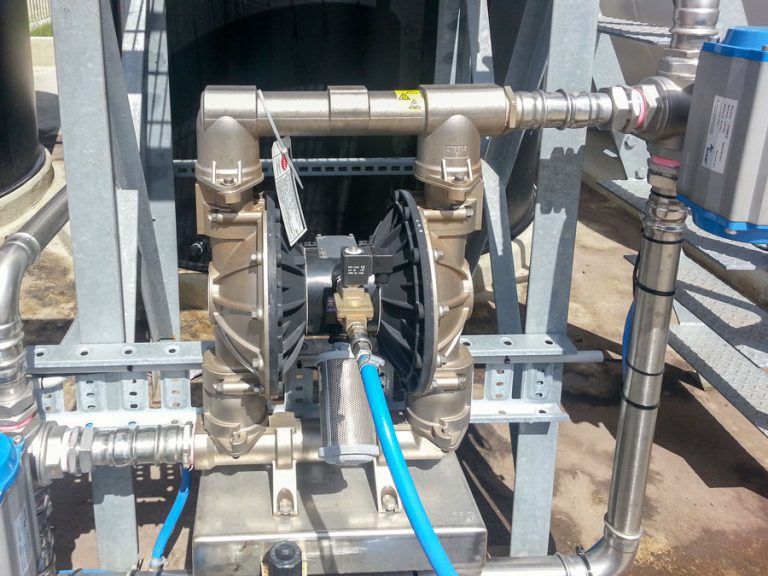
This type of structure is highly versatile, as it allows the creation of supports for pneumatic pumps, Valves e actuators, ensuring that all elements are positioned efficiently and safely.
The K-structure is ideal for industrial environments where flexibility and robustness are essential.
Furthermore, the K-structure facilitates maintenance and modification of systems, as its components can be easily disassembled and rearranged.
This is especially useful in industries that need to adapt their production lines frequently, allowing a quick response to changes in demand.
In summary, the K-structure is a practical and effective solution for assembling pneumatic systems, providing not only physical support, but also contributing to the operational efficiency of industries.
2. Advantages of K-structure in pneumatic systems
A K-structure offers several advantages in pneumatic systems, making it a popular choice in industrial environments. One of the main advantages is the flexibility that it provides. With the K-structure, it is possible to adapt the system configuration according to the specific needs of each project, allowing quick and efficient modifications.
Another significant advantage is the ease of assembly. K-frame components are designed to be easily assembled and disassembled, which reduces installation and maintenance time. This is especially important in industries that need agility to meet changing demands.
A robustness The K-structure cannot be ignored either. Made from materials such as aluminum or steel, it offers a solid base that supports the weight and operation of pneumatic equipment, ensuring the safety and durability of the system. This minimizes the risk of failures and increases the reliability of operations.
Furthermore, the K-structure contributes to the organization of the workspace. With a well-structured system, it is easier to identify and access components, which improves operational efficiency and reduces time wasted searching for tools or parts.
Finally, the K-structure allows for a efficient integration with other systems and technologies, facilitating automation and the implementation of more advanced solutions. This makes it a strategic choice for companies looking to optimize their pneumatic processes.
3. Practical applications of the K-structure in industry
A K-structure is widely used in various Practical Applications in industry, due to its versatility and efficiency. One of the main applications is in the assembly of production lines. The K structure allows the creation of supports for pneumatic equipment, such as bombs, Valves e actuators, facilitating organization and access to components.
Another important application is in process automation. The K-structure can be integrated into control systems, enabling the automation of repetitive tasks and improving operational efficiency. This is especially useful in industries looking to increase productivity and reduce costs.
Furthermore, the K-structure is used in construction of workstations. With its adaptability, it is possible to create personalized stations that meet the specific needs of operators, improving ergonomics and work efficiency.
The K-structure is also applied in material handling. It can be used to create supports and guides that facilitate the transport of parts and products within the factory, optimizing the workflow and reducing movement time.
Finally, the K-structure is often used in engineering projects. maintenance and recovery of equipment. Its modularity allows technicians to quickly make adjustments and modifications, ensuring systems remain operational and efficient.
4. How to choose the ideal K-structure for your project
Choose the K-structure ideal for your project involves considering several factors that impact the efficiency and functionality of the pneumatic system. First, it is important to evaluate the specific needs of your project. This includes understanding what pneumatic equipment will be used and how it will be integrated into the structure.
Another aspect to be considered is the available space. The K-structure must be sized according to the layout of your installation. Measuring the space where the structure will be assembled is essential to ensure that all components fit together properly and that there is enough space for maintenance and operation.
In addition, the modularity The K-structure is an important feature. Opting for a structure that allows for future expansions or modifications can be advantageous, especially in industries that are constantly evolving. This ensures that your facility can adapt to new demands without the need for a complete renovation.
Another point to be analyzed is the quality of materials. The K-frame must be manufactured from durable materials, such as aluminum or steel, that withstand the operating conditions of the industrial environment. Corrosion resistance and load-bearing capacity are crucial factors for the longevity of the structure.
Finally, it is recommended to consult experts or vendors who can offer technical support and guidance on the best configuration for your K-structure. They can help identify custom solutions that meet your specific needs and ensure installation is performed correctly and efficiently.