Automation in pneumatic systems is essential for increasing efficiency and precision in industrial operations. K-automation stands out in this scenario, offering advanced technologies that guarantee the effective automation of pneumatic processes. In this article, we will explore the main features and benefits of K-automation, as well as how it can revolutionize your production line.
What is K-automation?
A K-automation is an innovative approach that aims to optimize industrial processes through the automation of pneumatic systems. This technique uses advanced equipment and technologies to control and monitor the flow of compressed air, allowing machines and devices to operate more efficiently and precisely.
In practice, K-automation integrates components such as pneumatic valves, actuators e sensors into a cohesive system, which can be easily programmed and adjusted according to production needs. This results in a more fluid operation, reducing downtime and increasing productivity.
Additionally, K-automation provides greater flexibility in the production line, allowing companies to quickly adapt to changes in demand or new products. With the implementation of automation solutions, it is possible to monitor system performance in real time, identifying failures and optimizing the use of resources.
In summary, K-automation represents a significant evolution in industrial automation, offering solutions that not only improve efficiency, but also guarantee the quality and safety of production processes.
Benefits of Pneumatic Automation
A pneumatic automation offers a series of significant benefits for industries looking to increase their efficiency and productivity. One of the main benefits is the reduction of operating costs. By automating processes, companies can minimize material and energy waste, resulting in substantial long-term savings.
Another important benefit is the improvement in accuracy and consistency of operations. Automated pneumatic systems ensure that tasks are carried out with high precision, reducing the margin for human error. This is especially crucial in applications that require high repeatability, such as assembly and packaging.
A security is also a fundamental aspect. Pneumatic automation can reduce workers' exposure to hazardous environments as machines can operate in harsh conditions without direct human intervention. This not only protects employees but also improves the overall work environment.
In addition, the flexibility Automated pneumatic systems allow companies to quickly adapt to new production demands. With the ability to reprogram and adjust systems, industries can respond quickly to changes in the market, launching new products or adjusting production as necessary.
Finally, the real-time monitoring of pneumatic systems provides valuable data that can be used to optimize processes and predict maintenance. This results in more efficient operation and fewer unplanned stops, increasing the overall productivity of the production line.
Technologies Used in K-automation
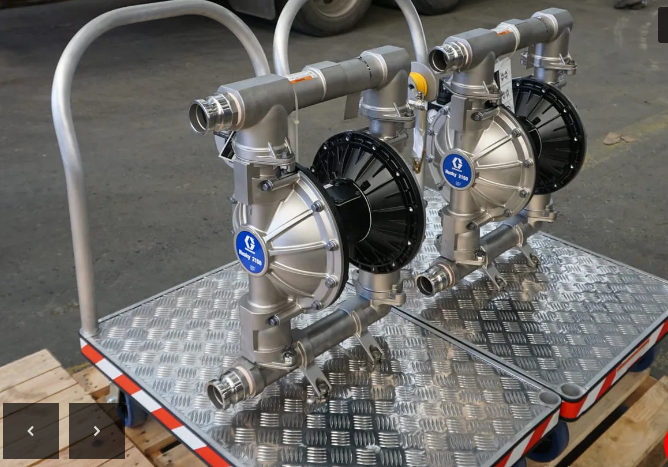
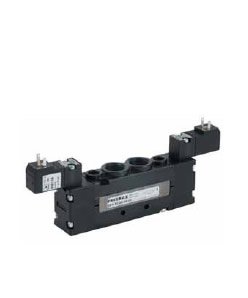
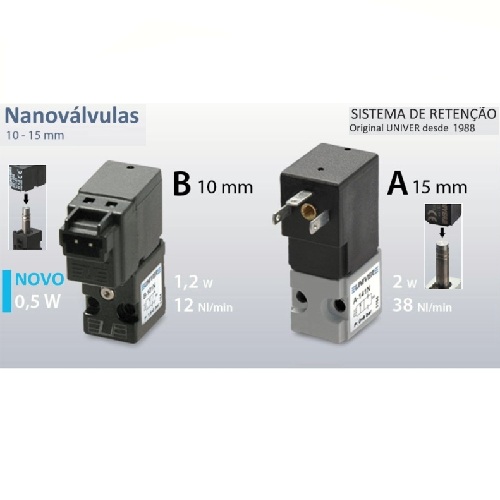
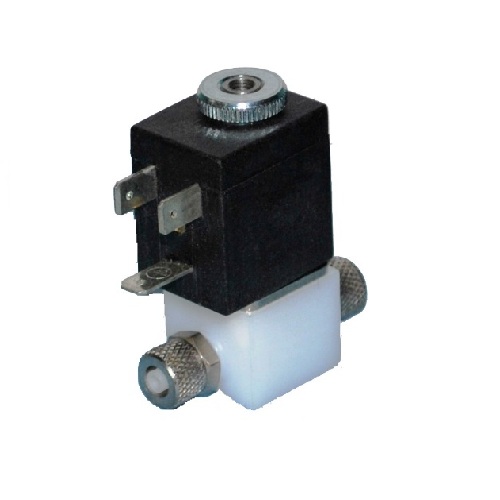
A K-automation uses a variety of advanced technologies to optimize pneumatic systems. Among the main technologies are pneumatic valves, which control the flow of compressed air and are essential for the operation of machines and devices. These valves can be programmed to open and close at specific times, ensuring the system operates efficiently.
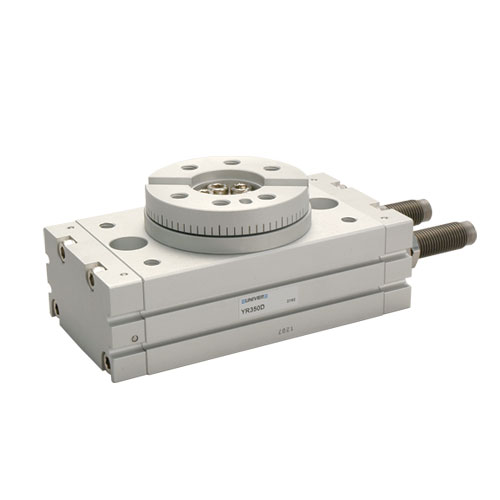
Another important technology is the use of pneumatic actuators. These devices convert the energy of compressed air into mechanical movement, allowing machines to perform tasks such as pushing, pulling or turning. Actuators are essential in applications that require strength and precision, such as assembling parts and moving products.
Os sensors also play a crucial role in K-automation. They monitor parameters such as pressure, temperature and flow, providing real-time data that helps optimize system performance. With this information, you can automatically adjust operations to ensure efficiency and safety.
A Systems Integration is another key technology. K-automation allows different components and machines to communicate with each other, creating a cohesive system that can be controlled centrally. This facilitates the management of complex processes and improves coordination between the different stages of production.
Finally, the programming and control software are essential for K-automation. Specialized software allows operators to program and monitor pneumatic systems, adjusting parameters and performing diagnostics. This not only improves efficiency, but also makes maintenance and problem identification easier.
Success Stories in Pneumatic Automation
Several success stories demonstrate how pneumatic automation It can transform industrial processes and increase operational efficiency.
A notable example is the automobile industry, where K-automation was implemented to optimize the assembly line. With the use of pneumatic actuators e smart valves, the company managed to reduce assembly time by up to 30%, increasing production without the need to expand the team.
Another successful case occurred in a food factory, where pneumatic automation was used for filling and packaging products. The implementation of automated systems has not only improved process speed, but also ensured greater dosing accuracy, resulting in less wasted ingredients and greater customer satisfaction.
In the pharmaceutical industry, K-automation has been applied to control airflow in critical environments. With the installation of Pressure Sensors and real-time monitoring systems, the company was able to maintain air quality and product safety, meeting strict industry regulatory standards.
Additionally, a heavy equipment manufacturing company implemented pneumatic automation to improve preventive maintenance. Using control software, it was possible to monitor the performance of pneumatic systems and predict failures before they occurred, significantly reducing downtime and repair costs.
These cases illustrate how K-automation not only improves efficiency and productivity, but also contributes to product safety and quality across diverse industries. The adoption of pneumatic automation solutions is, therefore, an effective strategy for companies seeking to stand out in the current competitive market.