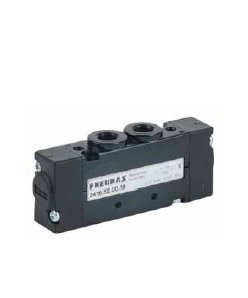
A interrupção de fluxo é um conceito crucial em sistemas pneumáticos, onde o controle preciso do fluxo de ar ou fluidos é essencial para garantir a eficiência e segurança das operações. Neste artigo, exploraremos as técnicas e equipamentos que permitem a interrupção de fluxo, suas aplicações práticas e os benefícios que trazem para a automação industrial.
What is Flow Interruption? – Definition and importance of flow interruption in pneumatic systems.
The flow interruption refers to the control of the movement of air or fluids in pneumatic systems. This technique is essential to ensure that industrial processes work efficiently and safely.
When the flow is interrupted, it is possible to prevent leaks, control pressures and regulate the distribution of energy in machines and equipment.
The importance of flow interruption stands out in several applications, such as factory automation, where precision is crucial to the quality of the final product.
Pneumatic systems that utilize flow interruption can be adjusted to meet different production demands, providing flexibility and adaptability.
Furthermore, flow interruption contributes to operational safety, minimizing the risk of accidents and damage to equipment.
In summary, flow interruption is an essential technique that allows effective control of pneumatic systems, ensuring efficiency and safety in industrial operations.
Flow Interruption Techniques – Methods used to control and interrupt flow in pneumatic systems.
Flow interruption techniques are essential for the efficient control of pneumatic systems. There are several methods that can be used to stop or regulate the flow of air or fluids.
One of the most common methods is the use of control valves, which allow you to adjust the fluid passage according to the system’s needs. These valves can be manual or automatic, depending on the application.
Another technique is the use of pneumatic actuators, which are devices that convert pneumatic energy into mechanical movement. They can be used to open or close valves, stopping the flow precisely.
In addition, the relief valves are used to release excessive pressure, ensuring system safety.
Or use of Pressure Sensors It is also an important technique as it allows you to monitor and control flow in real time, automatically adjusting valves as needed.
These techniques, when applied correctly, guarantee efficient and safe operation of pneumatic systems.
Flow Interruption Equipment – Description of the main equipment, such as valves and actuators, that allow flow interruption.
Flow interruption equipment They are fundamental in pneumatic systems, as they guarantee precise control of the movement of air and fluids.
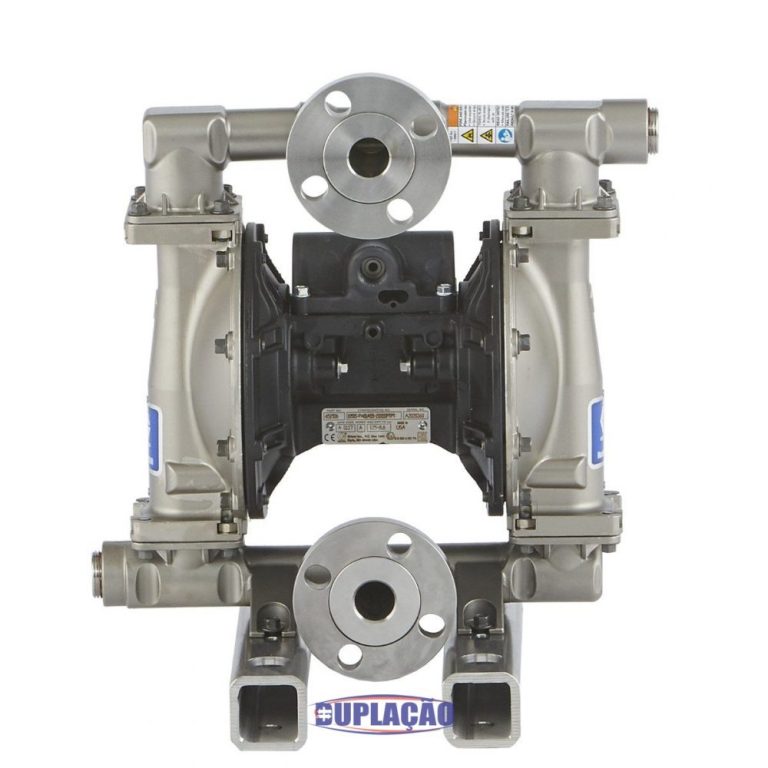
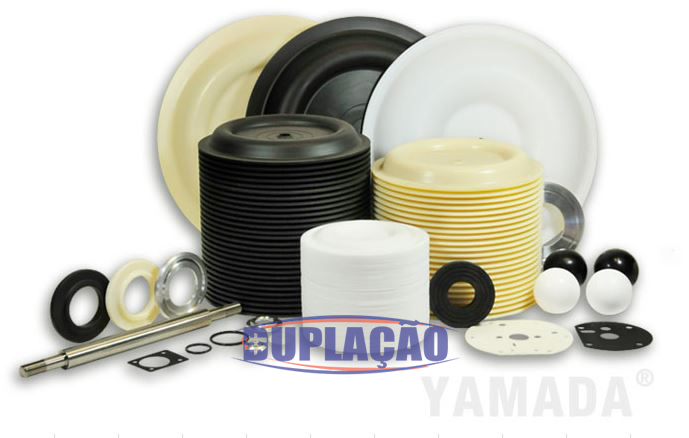
One of the main equipment used is the pneumatic valves. These valves can be classified into different types such as ball valves, gate valves and diaphragm valves. Each type has its specific characteristics and is chosen based on the desired application.
As control valves They are especially important as they allow you to adjust the amount of fluid that passes through the system, ensuring efficiency and safety.
Another essential piece of equipment is the pneumatic actuators, which convert the energy of compressed air into mechanical movement. They are used to open or close valves, interrupting the flow in a controlled manner.
In addition, the relief valves They play a crucial role in protecting the system by releasing excessive pressure and preventing damage.
Finally, the Pressure Sensors are used to monitor flow and pressure in real time, allowing automatic adjustments and ensuring safe system operation.
These equipment, when combined, provide effective and safe control in industrial processes.
Benefits of Flow Interruption – Advantages of flow interruption for efficiency and safety in industrial processes.
The flow interruption offers several benefits that are essential for efficiency and safety in industrial processes.
One of the main benefits is the waste reduction. By controlling the flow of air or fluids, it is possible to minimize leaks and ensure that resources are utilized optimally. This not only saves costs, but also contributes to the sustainability of operations.
Another important benefit is the pressure control. Flow interruption allows companies to maintain pressure within safe limits, preventing damage to equipment and increasing the useful life of systems.
Furthermore, flow interruption improves operational security. With valves and actuators that can quickly stop flow in emergency situations, the risk of accidents is significantly reduced.
A flexibility It is also an advantage, as systems that use flow interruption can be easily adjusted to meet different production demands.
Finally, flow interruption contributes to energy efficiency, as well-controlled systems consume less energy, resulting in more economical and sustainable operations.