Air injection is an essential technique in pneumatic systems, used to increase the efficiency and effectiveness of various industrial processes. In this article, we will explore the benefits, applications, and best practices for implementing air injection into your operation.
What is Air Injection?
A air injection is a process used in pneumatic systems that involves the introduction of compressed air into a controlled environment. This technique is essential for optimizing the performance of various industrial applications. Compressed air is injected at strategic points to increase the efficiency of machines and equipment.
The basic principle of air injection is simple: by increasing air pressure in a system, it is possible to improve fluid movement, reduce viscosity and facilitate the transport of materials. This is especially useful in processes that involve handling liquids or suspended solids.
Additionally, air injection can help eliminate unwanted air bubbles in liquids, ensuring homogeneous mixing and improving the quality of the final product. This technique is widely used in sectors such as industrial, Food Processing e water treatment.
In summary, air injection is an effective solution that provides significant improvements in operational efficiency and product quality in various industries.
Benefits of Air Injection
A air injection offers several benefits that can transform the efficiency of industrial processes. One of the main benefits is the reduction of operating costs. By optimizing the use of compressed air, companies are able to reduce energy consumption, resulting in significant savings on monthly bills.
Another important benefit is the increased productivity. With air injection, it is possible to speed up processes that were previously slow, such as moving materials and mixing liquids. This means production lines can operate at a faster pace, meeting market demand more effectively.
Furthermore, the air injection contributes to the IMPROVEMENT OF PRODUCT QUALITY. By ensuring a homogeneous mixture and eliminating unwanted air bubbles, the technique helps to produce superior quality items. This is especially relevant in industries like food and beverage, where consistency is crucial.
Finally, air injection can also increase the safety in the work environment. By improving the efficiency of pneumatic systems, the need for manual interventions on machines is reduced, minimizing the risk of accidents. Thus, air injection not only improves operation, but also promotes a safer environment for employees.
Applications of Air Injection in Industry
A air injection It is widely used in various industries, providing effective solutions to different operational challenges. One of the most common applications is in industrial. In this sector, air injection helps to atomize the paint, ensuring uniform coverage and reducing material waste. This results in a high-quality finish and reduces input costs.
Another significant application is in Food Processing. Air injection is used to mix ingredients homogeneously, ensuring that the texture and flavor of the products are consistent. Furthermore, this technique helps eliminate air bubbles in mixtures, improving the final quality of the food.
In the sector of water treatment, air injection is essential for aeration. This process increases water oxygenation, promoting the decomposition of pollutants and improving the efficiency of purification systems. Air injection, therefore, plays a crucial role in maintaining water quality.
Furthermore, air injection is used in assembly lines to facilitate the movement of parts. By injecting compressed air, companies can move heavy components more easily, increasing efficiency and reducing the manual effort required. This not only improves productivity but also contributes to a safer working environment.
Best Practices for Implementation
To ensure effective implementation of the air injection, it is essential to follow some best practices. First, it is essential to carry out a Detailed system analysis where the air injection will be applied. This includes understanding the specific needs of the process and identifying critical points where air injection can bring significant improvements.
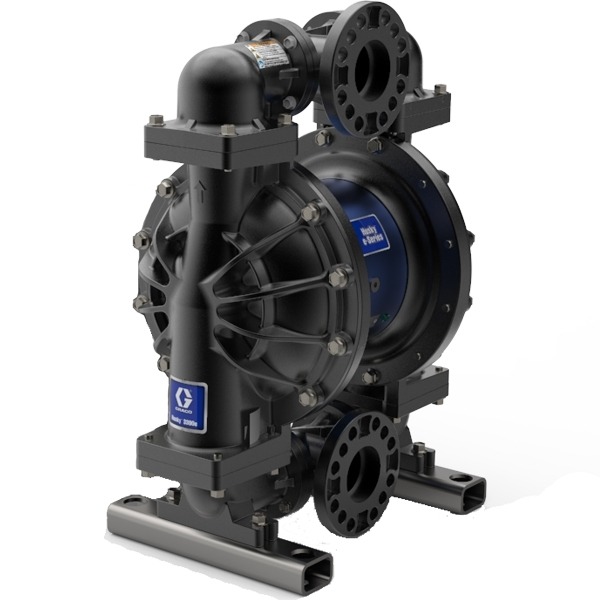
Next, it is important to choose quality equipment. Choose air injection systems from recognized brands, such as Graco Inc. e Pneumax, guarantees greater reliability and efficiency. The quality of the components directly impacts the system performance.
Another aspect to consider is the regular maintenance of equipment. Air injection must be monitored and adjusted as necessary to ensure the system operates at its maximum capacity. This includes checking for leaks, adjusting pressures and carrying out periodic cleaning.
Furthermore, it is recommended to train the team involved in the process. A good understanding of how air injection works and its applications helps operators use the technology more effectively. Training must include safety practices and proper handling of equipment.
Finally, it is important document all processes and results. This makes it easier to identify necessary improvements and adjustments over time, as well as serving as a reference for future implementations.