Flow indicators are essential devices in automation and process control systems. They allow monitoring the flow of liquids and gases, ensuring that operational parameters are maintained within the desired limits. In this article, we will explore the main features and benefits of flow indicators, as well as their applications in different industrial sectors.
What is a Flow Indicator?
What is a Flow Indicator?
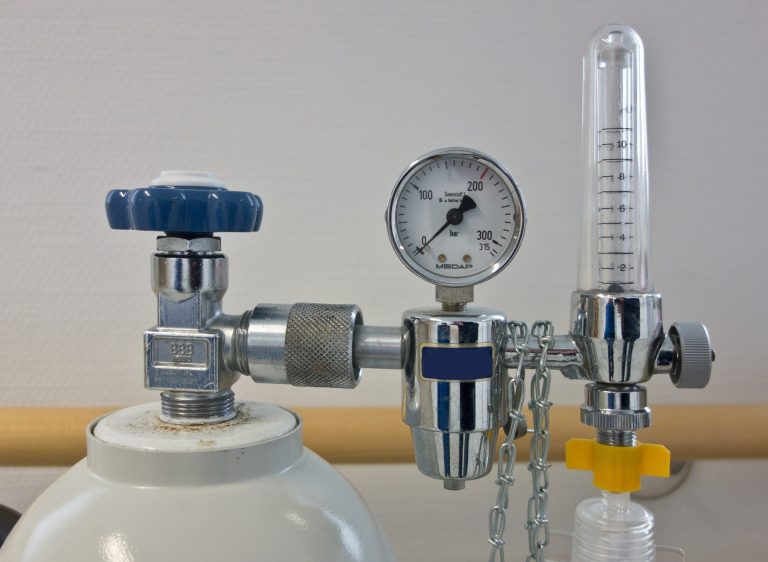
A flow indicator is a device used to measure and monitor the flow of liquids or gases in a system. It provides crucial information about how much fluid passes a specific point in a given period. Flow indicators can be classified into different types such as mechanics, electronics e ultrasonic, each with its own specific characteristics and applications.
Mechanical indicators, for example, use a rotor that rotates as fluid passes, while electronic indicators can use sensors to measure flow more precisely. Ultrasonic indicators use sound waves to determine the speed of the fluid, offering high precision and reliability.
These devices are essential in many industries as they help ensure that operational processes are running efficiently and safely. Furthermore, they can be integrated with automation systems, allowing real-time monitoring and data collection for later analysis.
Benefits of Flow Indicators
Benefits of Flow Indicators
Flow indicators offer a number of benefits that are essential for the efficient operation of industrial systems. One of the main benefits is the real-time monitoring. This allows operators to monitor fluid flow continuously, ensuring processes are within desired parameters.
Another important benefit is the waste reduction. With accurate flow measurement, it is possible to identify leaks or inefficiencies in the system, allowing quick corrective actions. This not only saves resources but also contributes to environmental sustainability.
Additionally, flow indicators help to improve security of the processes. By monitoring the flow, it is possible to avoid risky situations, such as excessive pressures or system failures. This is especially critical in industries that deal with hazardous substances.
Finally, the Integration with automation systems It's a big differentiator. Flow indicators can be connected to control systems, allowing data collection for deeper analysis and process optimization. This automation not only increases efficiency, but also reduces the need for manual intervention, minimizing errors.
Industrial Applications of Flow Indicators
Industrial Applications of Flow Indicators
Flow indicators are widely used in various industries due to their ability to monitor and control the flow of fluids. In petrochemical industry, for example, these devices are essential to ensure that the transportation of oil and its derivatives occurs safely and efficiently. They help prevent leaks and optimize resource use.
Na food industry, flow indicators are used to measure the flow of liquid ingredients, such as oils and syrups. This is crucial to maintain product consistency and ensure quality. Plus, accurate monitoring helps you meet food safety standards.
Another important application is in pharmaceutical, where precision in measuring fluids is vital. Flow indicators ensure that active ingredients are dosed correctly during drug production, ensuring the efficacy and safety of final products.
Also, in HVAC systems (heating, ventilation and air conditioning), flow indicators are used to monitor the circulation of air and refrigerant fluids. This helps to optimize energy consumption and maintain the efficiency of air conditioning systems. The versatility of flow indicators makes them indispensable in many industrial applications, contributing to operational efficiency and safety.
Choosing the Right Flow Indicator
Choosing the Right Flow Indicator
Choosing the appropriate flow indicator is essential to ensure efficiency and accuracy in any industrial system. The first step is to consider the Type of fluid that will be measured. Fluids that are viscous, corrosive, or contain solid particles require specific indicators that can handle these characteristics without compromising accuracy.
Another important factor is the measurement range. It is essential that the chosen indicator has a range that meets the needs of the process. An indicator with an inadequate range can result in inaccurate readings, affecting system operation.
A pressure and temperature environment must also be taken into account. Some indicators are designed to operate in extreme conditions, while others may fail if exposed to high temperatures or pressures. Therefore, it is crucial to check the manufacturer's specifications.
In addition, the FACILITY OF INSTALLATION AND MAINTENANCE is an aspect to be considered. Indicators that are easy to install and maintain can reduce downtime and operating costs. Check if the model you choose has technical support and assistance available.
Finally, the integration with existing systems is a key point. The flow indicator must be compatible with the automation systems already used in the company, ensuring effective communication and accurate data collection.