Hypertension, also known as hypertension, is a medical condition that affects millions of people around the world. It occurs when blood pressure rises to levels considered dangerous and can lead to serious health complications. In this article, we will explore the causes of high blood pressure, its symptoms, and the treatment options available to manage this condition effectively.
What is Hyperpressure? Definition of hyperpressure and its classification into primary and secondary.
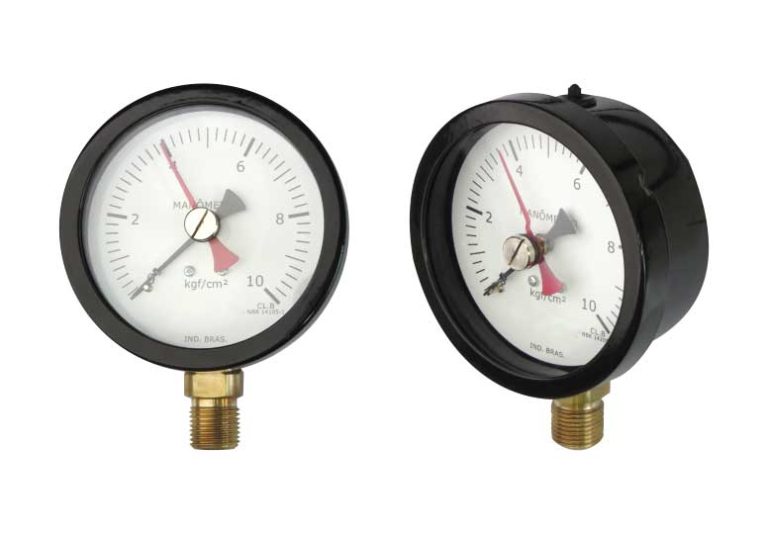
What is Hyperpressure? Hypertension, also known as hypertension, is a medical condition characterized by an increase in blood pressure above normal levels. Blood pressure is measured in millimeters of mercury (mmHg) and is expressed in two numbers: systolic pressure (the highest number) and diastolic pressure (the lowest number).
Hypertension is classified into two main categories: primary e secondary.
A primary hypertension It is the most common form and has no identifiable cause. It develops gradually over time and is often related to genetic and lifestyle factors. On the other hand, the secondary hypertension It is caused by underlying medical conditions, such as kidney disease, hormonal problems, or the use of certain medications. This form of hypertension can come on quickly and requires specific treatment of the underlying condition.
It is important to monitor blood pressure regularly, as hypertension may not have obvious symptoms. When left untreated, it can lead to serious complications such as heart disease, stroke and kidney problems.
Causes of Hyperpressure. Risk factors such as genetics, diet, sedentary lifestyle and stress.
Causes of Hyperpressure
Hyperpressure is influenced by several risk factors that may vary from person to person. One of the main factors is the genetics. If there is a family history of hypertension, the likelihood of developing the condition increases. This is because certain genes can affect how the body regulates blood pressure.
Another important factor is the diet. Excessive sodium consumption, present in many processed foods, can raise blood pressure. Additionally, a diet low in fruits, vegetables, and essential nutrients may contribute to the development of high blood pressure.
O sedentary lifestyle is also a significant risk factor. Lack of physical activity can lead to weight gain and increase blood pressure. Regular exercise helps maintain a healthy weight and improve cardiovascular health.
O stress is another element that can influence blood pressure. Stressful situations can cause temporary spikes in blood pressure, and continued exposure to stress can lead to a chronic increase. It's critical to find ways to manage stress, such as practicing meditation, breathing exercises, or recreational activities.
Recognizing and addressing these risk factors is essential to preventing and controlling high blood pressure.
Symptoms and Diagnosis. Main symptoms of hyperpressure and how the diagnosis is made.
Symptoms and Diagnosis
Hyperpressure, often called the “silent killer”, may not present obvious symptoms, which makes its diagnosis crucial. However, some signs may indicate that your blood pressure is high. Among the main symptoms are frequent headaches, dizziness, blurred vision and shortness of breath. In more serious cases, chest pain and nosebleeds may occur.
O diagnosis of hypertension is done by measuring blood pressure, which must be carried out in doctors' offices or clinics. For an accurate diagnosis, it is recommended that the pressure be measured on different occasions. Blood pressure is considered high when values are equal to or greater than 140/90 mmHg. Additionally, your doctor may order additional tests, such as blood and urine tests, to evaluate kidney function and rule out other conditions that may be contributing to high blood pressure.
It is important for people to take regular blood pressure measurements, especially if they have risk factors such as a family history of hypertension or a sedentary lifestyle. Early diagnosis is essential to initiate appropriate treatment and prevent serious complications.
Treatments and Prevention. Treatment options, including medications and lifestyle changes to control blood pressure.
Treatments and Prevention
Treatment of high blood pressure involves a combination of medicines and lifestyle changes. Medications are often prescribed to help control blood pressure and may include diuretics, beta blockers, angiotensin-converting enzyme (ACE) inhibitors, and calcium channel blockers. Each type of medication works differently, and your doctor may adjust the dosage or combination of medications as needed.
In addition to medications, lifestyle changes are essential for controlling blood pressure. This includes adopting a healthy diet, rich in fruits, vegetables, whole grains and low in sodium. Regular physical exercise, such as walking, swimming or cycling, is also recommended. The goal is to maintain a healthy weight, as excess weight can increase blood pressure.
O stress control is another important aspect. Relaxation techniques, such as meditation and yoga, can help reduce blood pressure. Furthermore, it is essential to avoid excessive alcohol consumption and stop smoking, as these habits can worsen high blood pressure. Monitoring blood pressure regularly and following medical advice are crucial steps to preventing complications and maintaining cardiovascular health.