Handling skills are essential in many areas, from industry to everyday activities. In this article, we'll explore the importance of this skill, how to develop it, and best practices to ensure safe and efficient handling.
1. What is Handling Skill? Definition and importance of handling skills in different contexts.
Handling Skill refers to the ability to manipulate objects and tools efficiently and safely. This skill is crucial in different contexts, such as industry, medicine and everyday activities. In industrial environments, for example, handling skills are vital for operating machinery and equipment, ensuring that workers can carry out their tasks accurately and safely. Furthermore, good handling can prevent accidents and injuries, promoting a safer work environment.
In medicine, handling skills are essential for healthcare professionals, such as nurses and surgeons, who need to manipulate instruments with dexterity and care. Precision in handling can directly impact the quality of patient care and the results of surgical procedures.
In everyday activities such as cooking or carrying out repairs at home, handling skills also play an important role. Knowing how to correctly use utensils and tools can make daily tasks easier and increase efficiency. Therefore, developing handling skills is essential to improve performance in different areas of life, contributing to safety and effectiveness in the activities carried out.
2. Techniques to Improve Handling Skills Practical tips and exercises to improve manual dexterity.
Techniques to Improve Handling Skills They are essential for anyone who wants to improve their manual dexterity. There are several practices that can be adopted to develop this skill. One of the most effective techniques is regular practice. Dedicating time daily to specific exercises can make a big difference. For example, activities such as puzzle assembly or construction games help improve fine motor coordination.
Another important technique is the use of suitable tools. Knowing the right tools for each task and using them correctly is essential. This not only improves efficiency but also reduces the risk of accidents. Furthermore, it is recommended to carry out stretching exercises e strengthening of hands and fingers, as this contributes to greater agility and resistance during handling.
Practice the concentration is also crucial. Being attentive to what you are doing avoids mistakes and increases precision. To achieve this, techniques mindfulness can be useful as they help you stay focused on tasks. Finally, seeking feedback from experienced professionals can provide valuable insights into how to further improve handling skills.
3. Applications of Handling Skills in Industry How handling skills impact efficiency and safety in the work environment.
Applications of Handling Skill in Industry They are diverse and directly impact efficiency and safety in the workplace.
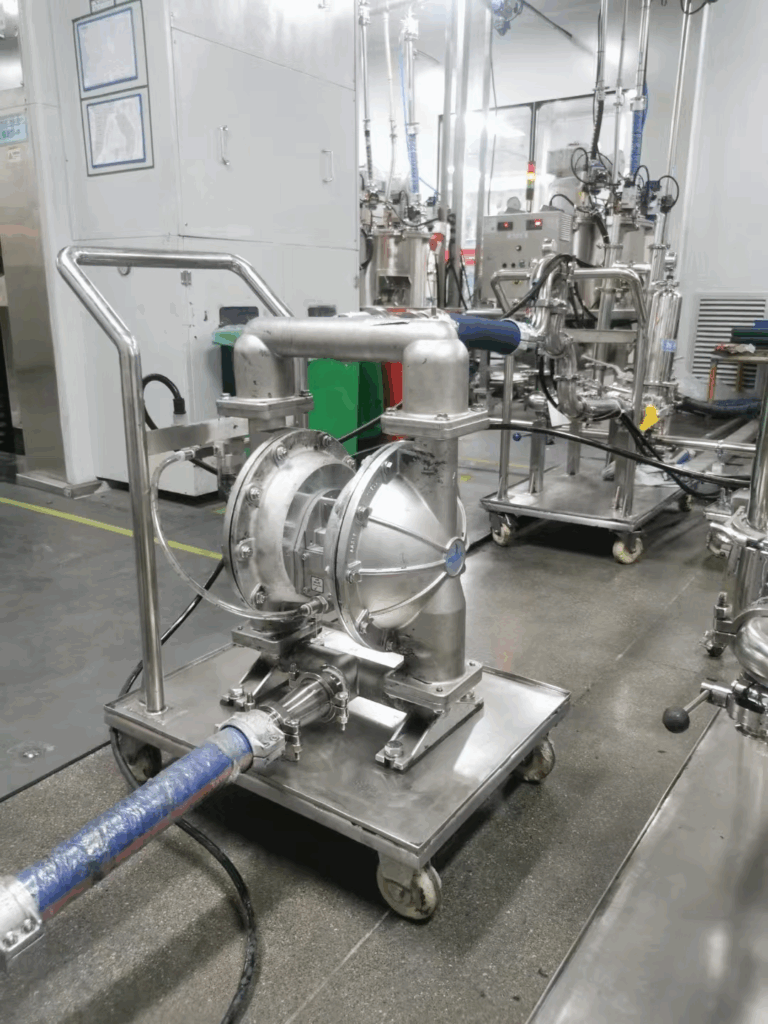
In factories, for example, handling skills are crucial for the operation of machines and equipment. Workers who master this skill are able to perform tasks more quickly and accurately, resulting in more efficient production. Furthermore, good handling reduces the risk of accidents, as operators are more attentive and capable of handling tools and materials.
In the assembly sector, handling skills are even more evident. Assemblers who have good manual dexterity are able to position parts more easily, avoiding errors that could compromise the quality of the final product. This is especially important in automotive industries, where precision is critical to ensuring vehicle safety.
Furthermore, handling skills are essential in sectors such as pharmaceuticals and food, where handling products requires special care. Professionals who master this skill can follow safety and hygiene standards, ensuring the quality of products and the health of consumers.
Therefore, investing in the development of handling skills is an effective strategy to increase productivity and safety in industries.
4. Common Errors and How to Avoid Them Identification of frequent handling errors and strategies to prevent them.
Common Mistakes and How to Avoid Them These are crucial aspects to ensure the effectiveness of handling skills. One of the most frequent errors is the lack of attention when handling tools and materials. Often, haste leads workers to make mistakes that can result in accidents. To avoid this, it is important to always stay focused on the task and avoid distractions.
Another common mistake is inappropriate use of tools. Each tool has a specific function and using them incorrectly can cause damage to the equipment and increase the risk of injury. It is essential that workers are trained to know the tools and their correct applications.
A poor posture it is also a mistake that can impact handling ability. Maintaining correct posture when handling objects helps prevent injuries and fatigue. Ergonomics training is essential to teach employees how to position themselves correctly.
In addition, the lack of practice can lead to inefficient handling. It is important for workers to regularly practice handling techniques to maintain dexterity and confidence. Implementing training sessions and practical exercises can help minimize these errors and improve the handling skills of all employees.