Fluid supply is an essential part in many industrial applications, from automation to chemical handling. With advanced technology in pneumatic pumps and automation systems, industries can ensure a continuous and safe flow of fluids. This increases productivity and reduces operating costs.
1. Importance of Fluid Supply: Understand how adequate fluid supply impacts operational efficiency and safety in industrial environments.
The importance of fluid supply in industrial environments cannot be underestimated. An adequate supply of fluids is crucial to ensure operational efficiency and a security of the processes.
When fluids are supplied in a consistent and controlled manner, machines and equipment operate at their maximum capacity, reducing the risk of failures and unexpected downtime. This results in a greater productivity and, consequently, in a cost reduction operational.
Furthermore, worker safety is a priority. An inadequate supply can lead to leaks, contamination and other risks that can compromise the physical integrity of employees.
Therefore, choosing reliable and efficient fluid delivery systems is essential to maintaining a safe and productive work environment. The implementation of advanced technologies such as pneumatic pumps and automation systems can significantly improve the accuracy and reliability of fluid supply, ensuring that industrial operations are carried out safely and efficiently.
2. Types of Pumps for Fluid Supply: Explore the different types of pumps, such as pneumatic and diaphragm pumps, and their specific applications in fluid supply.
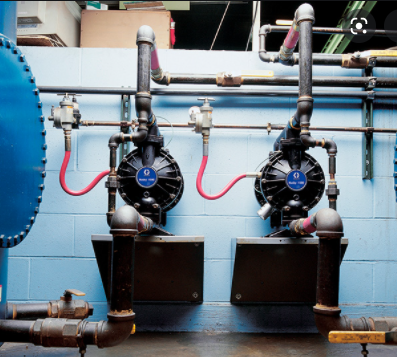
There are different types of pumps used to supply fluid, each with specific characteristics that meet different industrial needs. To the pneumatic pumps are widely used due to their ability to move viscous and abrasive fluids. They work with compressed air, which makes them ideal for environments where electricity can be dangerous. Furthermore, pneumatic pumps are known for their durability e ease of maintenance, which makes them a popular choice in chemical and petrochemical industries.
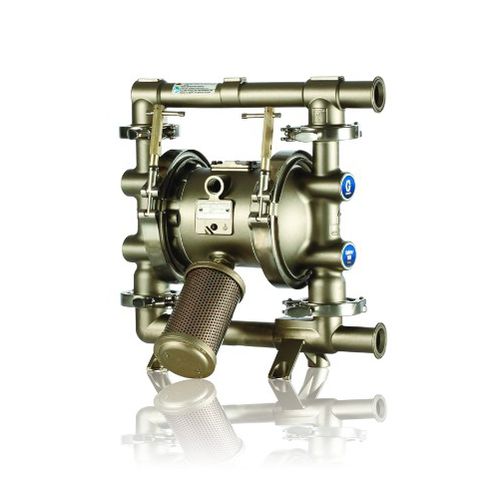
Another option is the diaphragm pumps, which are designed to provide a constant and controlled flow of fluids. These pumps are especially effective for corrosive liquids and can handle suspended solids. The operation of diaphragm pumps is based on the alternation of movement of a flexible diaphragm, which creates a vacuum to draw in fluid and then pushes it out. This makes them ideal for applications in the pharmaceutical and food industries, where fluid purity is essential.
In addition to these, there are also centrifugal bombs, which are used to move large volumes of fluids quickly and efficiently. They are most suitable for low viscosity liquids and are often used in irrigation and water supply systems. The choice of pump type must take into account the nature of the fluid, a viscosity e and operating conditions of the industrial environment.
3. Vantagens da Automação no Fornecimento de Fluido: Saiba como a automação pode otimizar o processo de fornecimento de fluidos, reduzindo erros e aumentando a eficiência.
Automation in fluid supply brings a number of significant advantages to industrial operations. Firstly, automation allows a precise control of fluid flow, which is essential to maintain the quality and consistency of processes. With automated systems, it is possible to monitor and adjust delivery rates in real time, ensuring machines operate within ideal specifications.
Furthermore, automation reduces the probability of human errors. In industrial environments, where pressure and speed are high, manual intervention can lead to failures and waste. Automated systems minimize these risks, as they operate based on data and algorithms, providing a more reliable operation.
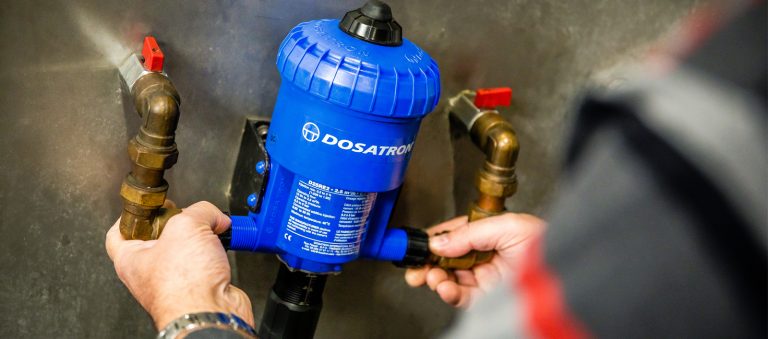
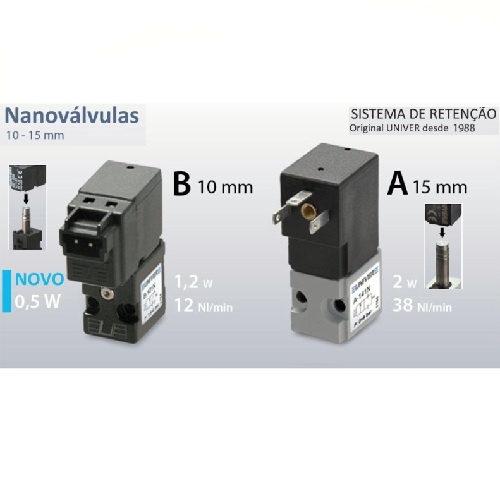
Another important benefit is the energy efficiency. Automated systems can optimize energy use, adjusting the operation of pumps and valves according to the actual demand for fluids. This not only reduces operating costs, but also contributes to more sustainable practices.
Finally, automation makes it easier to data integration and performance analysis. With sensors and monitoring systems, it is possible to collect valuable information about the functioning of the fluid supply system. This data can be used to identify areas for improvement and proactively implement corrective actions, further increasing operational efficiency.
4. Considerations for Choosing Equipment: Tips on how to select the ideal equipment for supplying fluid, taking into account factors such as viscosity and chemical compatibility.
Choose the ideal equipment for fluid supply is a crucial task that can directly impact the efficiency and safety of industrial operations.
Firstly, it is essential to consider the Fluid Viscosity that will be handled. More viscous fluids require pumps and systems that can generate enough pressure to move them effectively. For example, diaphragm pumps are often recommended for viscous fluids as they offer good flow and pressure control.
Another important factor is the chemical compatibility of equipment materials with the fluid. It is essential to ensure that pumps, valves and pipes are made of materials that do not react with the fluid, preventing corrosion and contamination. Materials such as stainless steel and high-strength plastics are often used in applications involving aggressive chemicals.
A maintainability must also be taken into consideration. Equipment that is easy to maintain and repair can reduce downtime and operating costs. Choosing recognized brands, such as Graco Inc. and Pneumax, can guarantee the quality and reliability of the equipment.
Furthermore, it is important to evaluate the system size and configuration. The layout of the industrial plant can influence the choice of equipment, as very large systems may not be suitable for limited spaces.
Finally, consider the automation as part of the choice of equipment can bring additional benefits, such as greater precision and efficiency in fluid delivery.