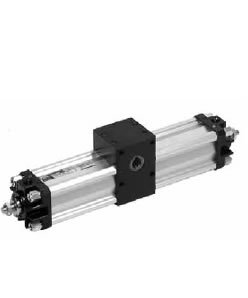
Particle filters are essential components in pneumatic and hydraulic systems, designed to remove impurities and contaminants from fluids. With the growing demand for efficiency and quality in industrial processes, the use of particle filters becomes increasingly relevant. In this article, we will cover the main aspects of particle filters, their applications and benefits, as well as tips for choosing the ideal filter for your needs.
1. What are Particle Filters?
Os particle filters are devices designed to remove impurities and contaminants from fluids, ensuring the quality and efficiency of pneumatic and hydraulic systems.
They act as barriers that capture solid particles, such as dust, dirt and other contaminants, which can impair the functioning of equipment.
These filters are essential in several industrial applications, as the presence of unwanted particles can cause damage to the internal components of machines, leading to failures and unscheduled downtime.
The use of particle filters helps to extend the useful life of equipment and reduce maintenance costs.
Particle filters can be found in different shapes and sizes depending on the specific application.
They are manufactured with materials that offer resistance and durability, guaranteeing effective performance over time.
Choosing the appropriate filter must consider factors such as fluid viscosity, operating temperature and the type of particles to be filtered.
Furthermore, the correct installation of filters is crucial for their functioning.
It is important to follow the manufacturer's recommendations and perform regular inspections to ensure the filter is operating efficiently.
Proper maintenance of particle filters is essential to prevent system contamination and ensure the efficiency of industrial processes.
2. Importance of Fluid Filtration
A fluid filtration is a crucial process in industrial systems, as it ensures that the fluids used are free of contaminants. The presence of impurities can cause serious damage to equipment, resulting in unexpected downtime and high maintenance costs. Therefore, proper filtration is critical to operational efficiency.
One of the main benefits of filtration is the protection of internal machine components. When solid particles come into contact with moving parts, such as pistons and valves, premature wear can occur. This not only compromises system performance but also increases the need for repairs and replacements.
Furthermore, fluid filtration contributes to the quality of the final product. In industries such as food and pharmaceuticals, fluid purity is essential to meet strict quality standards. Contamination can lead to defective products and even safety issues.
Energy efficiency is also an important factor. Systems that operate with contaminated fluids tend to consume more energy, as they need to work harder to overcome the resistance caused by impurities. With adequate filtration, it is possible to optimize energy consumption and reduce operating costs.
Finally, fluid filtration is a practice that promotes sustainability. By extending the useful life of equipment and reducing the need for maintenance, companies can reduce waste and contribute to a more sustainable environment.
3. Types of Particle Filters
There are several types of particle filters, each designed to meet specific needs in pneumatic and hydraulic systems. Choosing the appropriate filter is essential to guarantee the efficiency and durability of the equipment. Below we present some of the main types of filters:
1. Mesh Filters: These filters are made from a network of metallic wires that form a mesh. They are effective in removing larger particles such as dirt and debris. They are widely used in applications where pressure is not a critical factor.
2. Cartridge Filters: Cartridge filters consist of a filter element that can be replaced. They are designed to capture smaller particles and offer a larger filtration area. These filters are ideal for applications that require high efficiency in contaminant removal.
3. Paper Filters: Commonly used in low pressure systems, paper filters are lightweight and economical. They are effective in removing fine particles but have a shorter lifespan compared to other types of filters.
4. Activated Carbon Filters: These filters are designed to remove chemical impurities and odors. Activated carbon has a large surface area, which allows it to adsorb contaminants. They are often used in applications where fluid quality is critical.
5. Coalescing Filters: These filters are designed to remove water and solid particles from oils and fuels. They work through coalescence, where small droplets of water come together to form larger droplets, which are then removed from the system. They are essential in applications where the presence of water can cause damage to equipment.
Choosing the right type of particle filter is crucial to ensuring system efficiency and equipment protection. It is important to consider factors such as the type of fluid, operating pressure and the size of the particles to be filtered.
4. Maintenance and Replacement of Filters
A maintenance and replacement of filters of particles are essential steps to ensure the efficient functioning of pneumatic and hydraulic systems. Lack of adequate care can lead to serious problems, such as equipment failures and fluid contamination.
1. Regular Inspection: It is important to carry out periodic inspections of the filters to check their condition. The frequency of inspections may vary depending on the application and work environment. During the inspection, signs of wear, clogging or visible damage should be observed.
2. Cleaning the Filters: Some filters, such as mesh filters, can be cleaned and reused. Cleaning must be done carefully, using water and suitable detergents, avoiding chemical products that could damage the filter material. After cleaning, it is essential to ensure that the filter is completely dry before reinstalling it.
3. Filter Replacement: Filter replacement must be done in accordance with the manufacturer's recommendations. Cartridge and paper filters, for example, have a limited lifespan and must be changed regularly. Ignoring replacement may result in loss of efficiency and system contamination.
4. Maintenance Record: Keeping a detailed record of maintenance performed is a recommended practice. This helps you monitor the condition of your filters and plan for future replacements. The record should include inspection, cleaning and replacement dates, as well as notes on the condition of the filters.
5. Team Training: The team responsible for maintenance must be trained to identify problems and carry out necessary maintenance. Knowledge about the types of filters and their specifications is essential to ensure that maintenance practices are effective.
Following these guidelines for maintenance and replacement of particle filters contributes to the operational efficiency and longevity of equipment, in addition to ensuring the quality of fluids used in industrial processes.