Compressed air pumps are essential equipment in various industrial and commercial applications. They are responsible for supplying compressed air to a variety of tools and processes, ensuring efficiency and productivity. In this article, we will explore the main aspects of compressed air pumps, including their operation, types available on the market and their practical applications.
1. What is a Compressed Air Pump?
One compressed air pump is a device designed to compress air and store it in a reservoir. This compressed air can be used in various industrial and commercial applications. The basic operation of a compressed air pump involves reduction of air volume, which results in an increase in pressure. This process is essential for providing power to pneumatic tools, automation systems and other equipment that depend on compressed air to operate.
There are different types of compressed air pumps, each with its specific characteristics. The most common include piston pumps, which use a cylinder and piston to compress air, and screw pumps, which use a rotating mechanism to perform compression. Each pump type is designed to meet different pressure and airflow needs.
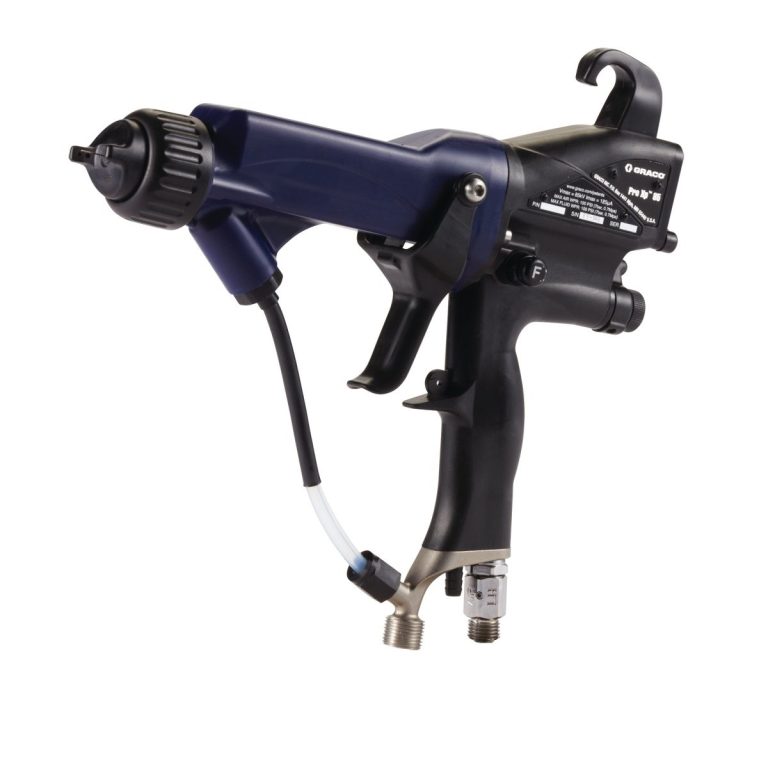
Compressed air pumps are widely used in sectors such as manufacture, construction, e automotive, where they are essential for the operation of tools such as impact wrenches, spray guns and pneumatic control systems. The versatility and efficiency of these pumps make them a popular choice in many industrial applications.
2. Types of Compressed Ar Pumps
There are several types of compressed air pumps, each designed to meet specific compression and application needs. Among the main types, the following stand out:
- Piston Pumps: They use a cylinder and a piston to compress the air. The piston moves back and forth, creating pressure that forces air into the reservoir. These pumps are known for their high pressure and efficiency in applications that require compressed air in large volumes.
- Screw Pumps: They work through two screws that rotate in opposite directions. Air is compressed between the screws, resulting in smooth, continuous operation. These pumps are ideal for industrial applications that require a constant flow of compressed air.
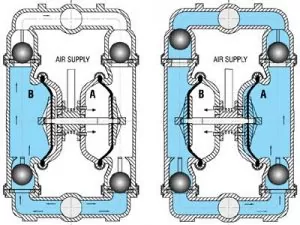
- Diaphragm Pumps: They use a flexible diaphragm that moves up and down, compressing the air. They are often used in applications that require clean, dry air, as there is no direct contact between the air and the mechanical parts of the pump.
- Lobe Pumps: Composed of two lobes that rotate in a fixed space, these pumps create a vacuum that sucks air in. They are known for their quiet operation and are often used in applications that require constant, controlled airflow.
Each type of pump has characteristics that make it more suitable for certain applications. Choosing the correct type of compressed air pump is crucial to guarantee efficiency and performance in industrial processes.
3. Applications of Compressed Air Pumps
As compressed air pumps They have a wide range of applications in different sectors, due to their versatility and efficiency. Some of the main applications include:
- Automotive Industry: Used to operate pneumatic tools such as impact wrenches and spray guns. The pumps provide compressed air necessary for the assembly and maintenance of vehicles, ensuring efficiency and speed in processes.
- Civil Construction: They supply compressed air to tools such as pneumatic hammers and compactors. These pumps are essential for carrying out construction work, as they allow heavy tasks to be carried out more easily.
- Manufacturing: Used in production lines to drive pneumatic cylinders and automation systems. Compressed air pumps ensure that machines operate continuously and efficiently, increasing productivity.
- Food sector: Applied in product packaging and transportation processes. Compressed air pumps are used to ensure that food is handled safely and hygienically, avoiding contamination.
- Pharmaceutical industry: Used in equipment cleaning and sterilization processes. Compressed air is essential for maintaining the quality and safety of pharmaceutical products.
These applications demonstrate how compressed air pumps are essential in different sectors, contributing to the efficiency and effectiveness of industrial processes.
4. Advantages of Using Compressed Air Pumps
As compressed air pumps They offer several advantages that make them a popular choice in many industries. Among the main benefits, the following stand out:
- Energy efficiency: Compressed air pumps are designed to operate efficiently, consuming less energy compared to other power systems. This results in long-term operational cost savings.
- Versatility: They can be used in a wide range of applications, from pneumatic tools to automation systems. This versatility allows companies to integrate pumps into different processes, increasing productivity.
- Low Maintenance: Many compressed air pumps require little maintenance, which reduces downtime and associated costs. Modern models are designed to be durable and reliable, minimizing the need for frequent repairs.
- Continuous Air Supply: The pumps are capable of providing a constant flow of compressed air, essential for operations that require stable pressure. This is crucial in industrial environments where consistency is critical to product quality.
- Security: Using compressed air is generally safer than other energy sources such as electricity, especially in environments where moisture and dust can be a problem. Additionally, there is no fire risk associated with compressed air.
These advantages make compressed air pumps an effective and reliable solution for many industrial applications, contributing to process efficiency and safety.