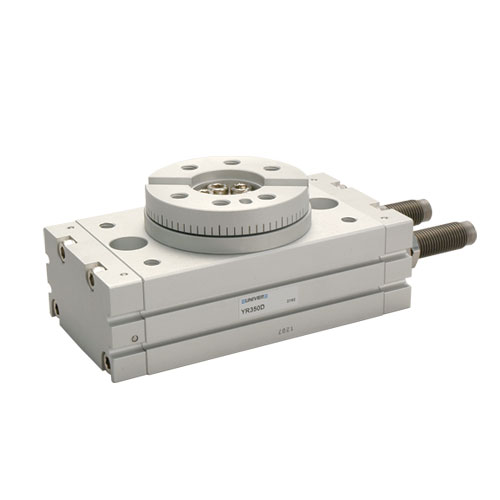
The proportional valve block is an essential component in pneumatic automation systems, allowing precise control of air flow and pressure. With the ability to adjust output according to system needs, these valves are ideal for applications that require high efficiency and fast response. In this article, we will explore the characteristics, advantages and practical applications of the proportional valve block, highlighting its importance in optimizing industrial processes.
What is a Proportional Valve Block?
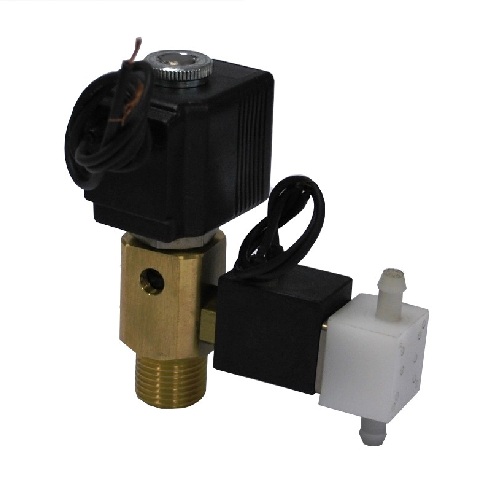
O proportional valve block is a device used in pneumatic and hydraulic systems to precisely control the flow of air or fluid.
Unlike conventional valves, which operate in open or closed positions, proportional valves allow continuous adjustments, offering more refined control over pressure and flow.
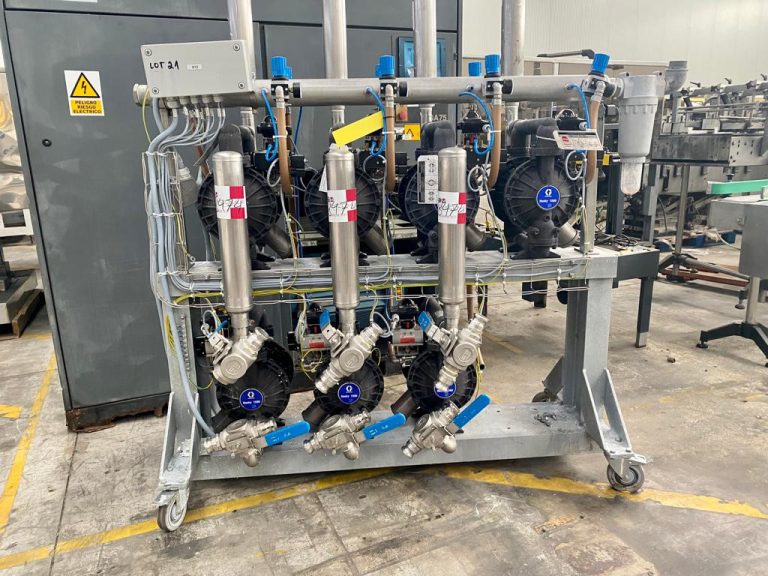
These blocks are made up of multiple valves that can be activated simultaneously, allowing flow modulation in different directions.
A proportional technology It is often used in applications that require high precision, such as packaging machines, robotics and industrial automation systems.
The operation of the proportional valve block is based on electrical signals that control the position of the actuator, which in turn adjusts the opening of the valve.
This enables a quick and efficient response to changes in system conditions, ensuring that operation is optimized for different demands.
Furthermore, the integration of electronic sensors and controllers with the proportional valve block allows real-time monitoring, increasing operational efficiency and reducing energy waste.
This combination of technology results in more intelligent and responsive systems, which can quickly adapt to the needs of the production process.
Advantages of Using Proportional Valve Blocks
Os proportional valve blocks offer several advantages that make them essential in automation systems. One of the main advantages is the Precision in flow control. With the ability to continuously adjust the valve opening, it is possible to regulate the flow of air or fluid with high accuracy, which is crucial in applications that require specific operating conditions.
Another significant advantage is the energy efficiency. By allowing the system to operate only at the required capacity, proportional valve blocks help reduce energy consumption, resulting in operational cost savings. This is especially important in industrial environments where cost control is a priority.
In addition, the application flexibility is a strong point of these devices. They can be used in a wide range of industries, from process automation to robotics, easily adapting to the specific needs of each system. This versatility allows engineers to design custom solutions that meet varying requirements.
Proportional valve blocks also contribute to the reduction of mechanical wear. As the control is smoother and more gradual, there is less shock to the system's moving parts, extending the useful life of the components. This results in fewer maintenance stops and greater operational reliability.
Finally, the integration with control systems modern is an added advantage. Proportional valve blocks can be easily connected to automation systems, allowing real-time monitoring and automatic adjustments, which further improves the efficiency of the production process.
Practical Applications in Industries
Os proportional valve blocks They are widely used in various industries due to their ability to offer precise and efficient control in pneumatic and hydraulic systems. One of the main applications is in industrial automation, where they are used to regulate the air flow in machines and equipment, ensuring that processes operate within the desired specifications.
In the sector of manufacture, these blocks are essential for controlling assembly and packaging processes. They allow fine adjustments to pressure and flow, which is crucial to ensuring the quality of the final product. For example, in automated assembly lines, precision in airflow control can directly affect production speed and efficiency.
Another important application is in food and beverage industry, where proportional valve blocks are used to control ingredient dosage and pressure in filling systems. Precision in this control is vital to maintain product consistency and meet food safety standards.
Furthermore, proportional valve blocks are used in Climatization Systems e ventilation, where they regulate airflow in commercial and industrial buildings. This contributes to energy efficiency and occupant comfort by allowing systems to automatically adjust to environmental conditions.
Na automotive industry, these devices are applied in suspension and steering control systems where fluid flow modulation is required to ensure smooth and safe driving. The rapid responsiveness of proportional valve blocks is critical to vehicle safety and performance.
Maintenance and Technical Support
A maintenance of proportional valve blocks is essential to ensure their efficient operation and prolong their useful life. Preventative maintenance must be carried out regularly, including visual inspections and function tests. This helps identify wear and tear or failures before they become bigger problems.
An important aspect of maintenance is the cleaning. Accumulations of dirt and debris can affect valve performance. Therefore, it is recommended to clean the internal and external components, using suitable products that do not damage the materials.
Furthermore, it is crucial to check the pneumatic connections and hydraulics. Leaks can occur due to loose or damaged connections, which can compromise system efficiency. Replacement of worn seals and gaskets should be done as necessary.
O technical support is another fundamental aspect. The support team must be trained to offer assistance in case of failures or questions regarding the operation of the proportional valve blocks. This includes carrying out diagnostics and providing guidance on the best way to resolve problems.
Furthermore, technical documentation must always be available. Operation and maintenance manuals help users better understand how equipment works and make necessary adjustments. Continuous training of the team that operates and maintains the systems is also vital to ensure everyone is up to date on best practices and new technologies.